Congolese Refugees in Rwanda Hold Peace March, Call for End to Hate Speech and Discrimination in DRC

As some leaders in the Democratic Republic of Congo (DRC) continue to be accused of fueling hate speech and ethnic-based discrimination, Congolese refugees living in Rwanda’s Kigeme refugee camps have held a peaceful march calling for an end to such divisions. They also urged the international community to speak out strongly against rhetoric and actions that threaten peace and unity in their country.
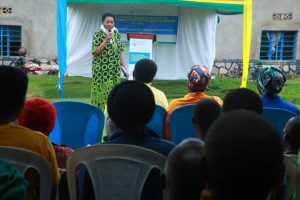
On Thursday morning, Kigeme Refugee Camp in Nyamagabe District became a gathering point for hundreds of Congolese refugees who marched peacefully, expressing deep concern over the escalating hate messages and discriminatory statements reportedly promoted by some Congolese officials. They said such sentiments continue to deny them peace, dignity, and their fundamental rights as citizens of Congo.
Many of the refugees said the many years they have spent in exile should have already come to an end, as they ought to be back home rebuilding their country and living harmoniously with fellow citizens. Instead, they say they are still treated as outsiders, despite being native Congolese born and raised in their homeland.
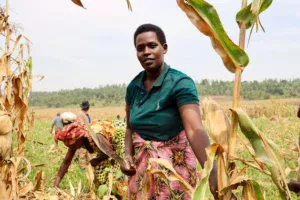
Among the refugees was Mukansanga Judith, who has spent 13 years living in Kigeme Camp. She described refugee life as difficult and emotionally exhausting: “We fled our country with hope that one day we would return and live in peace. But more than 10 years have passed and we are still in exile. We want to go back home and live like normal citizens, not as people considered foreigners in our own country. We are appealing to the international community to hear our voices and condemn any language that divides the people of Congo.”
Another refugee, Gasagure Esron, 58, a father of nine children all born in Congo, echoed the same plea. He recalled the peaceful life they once lived before conflicts forced them to flee: “We once lived a dignified and stable life in Congo. Our children went to school, we worked, and life had meaning. But living in exile is not easy; it is a situation no one would ever wish for. All we are asking for is peace and the right to return to our country and live like other citizens.”
Camp Leadership Urges the World Not to Remain Silent
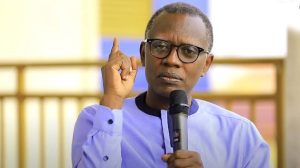
The Manager of Kigeme Refugee Camp, Munyakarambi Sebutozi Edzon, said the peaceful march was meant to give refugees a voice after many years of silent suffering. He said discrimination, poor governance, insecurity, and hate speech have denied them the right to return home. “These people are Congolese. They deserve to live in their country without being treated as strangers. Unfortunately, many of them are increasingly labeled as outsiders, while those who destabilized the country are given more recognition. We are calling on the international community and human rights organizations not to remain silent, but to take concrete action.”
He expressed gratitude to the Government of Rwanda for providing safety, dignity, and humanitarian support to the refugees over the years. However, he emphasized that refugee life can never replace the comfort of living in one’s homeland: “Rwanda has done a lot and continues to support these refugees, and we are grateful. But what they desire most is to one day return home, live in peace, and rebuild their lives in their country.”
Life in the Camps
Kigeme Refugee Camp, established in 2012, currently hosts over 14,415 Congolese refugees. Mugombwa Camp in Gisagara District, founded in 2014, shelters more than 12,000 refugees. Despite ongoing humanitarian support, many refugees still live under basic assistance programs intended only to cover essential needs.
Across Rwanda, Congolese refugees have lived in exile for over 30 years, accommodated in several camps including Kiziba, Mahama, Kigeme, Nkamira, Nyabiheke, and Mugombwa. They continue to call for peace, protection of their rights, and sustainable solutions that will allow them to return home safely.
Their appeal remains clear:
They long for peace, unity, dignity, and the opportunity to return to their homeland without fear, discrimination, or hatred.


About The Author


SUBSCRIBE TO OUR NEWSLETTER