Rwanda: Gatsibo District Sees Agro-Industrial Boom, Driven by SAIP Initiative
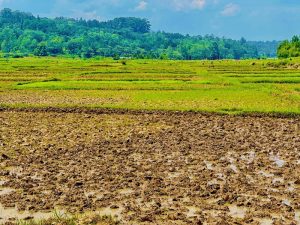
Gatsibo District in Eastern Rwanda is witnessing a significant transformation, moving beyond subsistence farming towards a robust agro-industrial economy. This shift is largely credited to the Sustainable Agricultural Intensification and Food Security Project (SAIP), a government program that has not only boosted crop yields but, more critically, has instilled the confidence necessary for local entrepreneurs to invest in agro-processing industries.
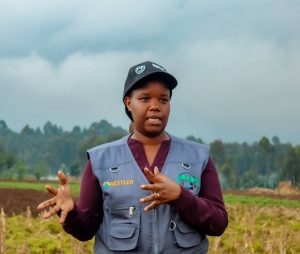
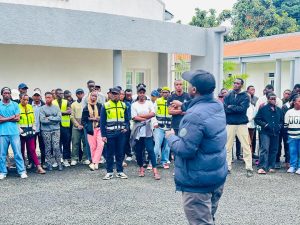
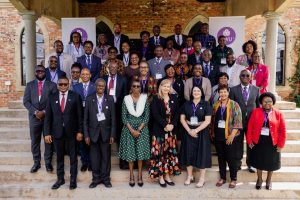
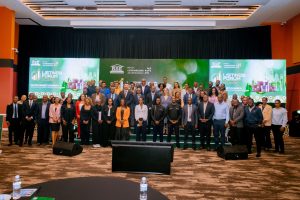
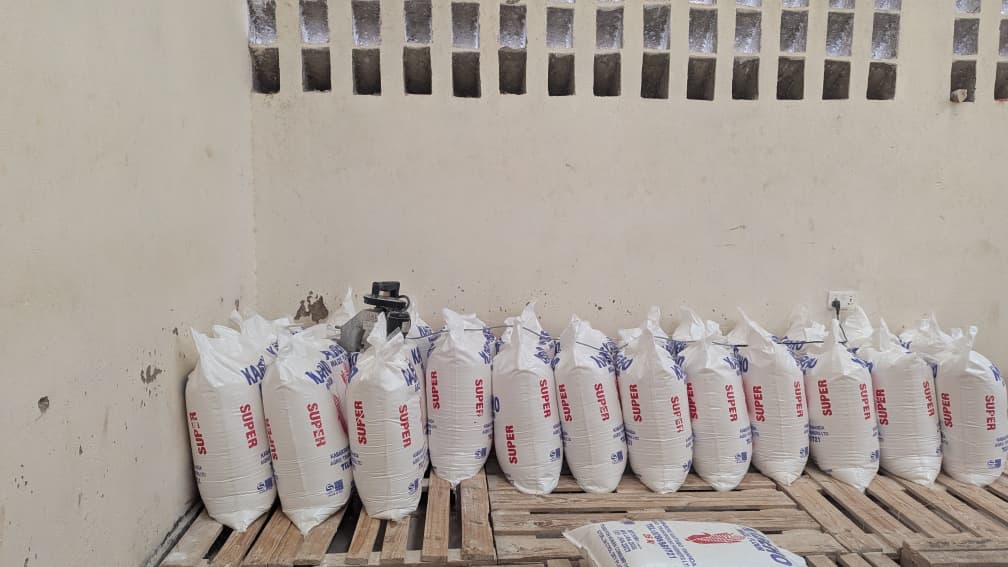
The success of the initiative was highlighted during a recent Knowledge Sharing gathering in the district, where the testimony of Joy Abesiga Ruburika, founder of Kabarore Maize Flour Processing, resonated strongly with attendees. Her company produces the popular “Karibu” maize flour.
Located in Kabarore Cell, Joy’s processing plant has become a symbol of the district’s new industrial resolve. As a SAIP beneficiary, she secured a matching grant of 158 million Rwandan Francs, covering 70% of her total project investment. Demonstrating strong commitment, Ms. Ruburika personally invested the remaining 42 million Rwandan Francs.

Today, her factory processes approximately six tons of maize daily, turning local harvest into high-quality flour for the market. This critical step ensures local farmers have a stable and reliable outlet for their produce, retaining value-addition within Gatsibo instead of exporting raw materials.
The factory’s impact extends to broader socio-economic development, creating employment for local residents, providing a dependable market for maize producers, and strengthening the district’s overall agro-processing capacity. Through such ventures, agriculture in Gatsibo is increasingly viewed as a full-fledged business chain that encompasses farming, processing, branding, and competitive marketing.
In her testimony, Ms. Ruburika emphasized the need for courage and long-term planning to scale a business from a small-scale operation to an industrial enterprise.
“SAIP gave me more than financial support; it gave me the confidence to dream bigger,” she stated. “I moved from thinking as a small maize trader to becoming an agro-industrial entrepreneur. I encourage farmers and especially women to be courageous, to work hard, and to invest in value addition. We must become processors and leaders in agribusiness.”

SEKANYANGE Jean Leonard, the Vice Mayor in charge of Economic Development for Gatsibo District, commended SAIP’s tangible impact across agriculture, livestock, and agro-processing. He noted the significant improvements in horticulture and fruit production, strengthened livestock systems, and overall industrial stimulation.
“We commend SAIP for the remarkable steps it has taken in transforming Gatsibo District,” Mr. SEKANYANGE remarked. “I call upon every beneficiary to make good use of these opportunities, expand markets, and continue advancing our district through the benefits brought by SAIP.”

Looking ahead, SAIP Project Manager Ezra MUTABARUKA confirmed that the transformation in Gatsibo aligns with the broader national goals of SAIP II.
“SAIP II will play a transformative role in advancing agriculture in Rwanda by increasing agricultural productivity, strengthening value chains, and enhancing food security,” Mr. MUTABARUKA emphasized. “Our goal is not only to support farmers in boosting production, but also to help them process their harvest into profitable finished products that can compete effectively on the market.”

The factory owned by Ms. Ruburika is seen as more than just a processing plant; it symbolizes a deep-seated change in Gatsibo—a growing entrepreneurial confidence that is shifting perspectives from subsistence to scalability and building a foundation for sustainable agribusiness development.

SUBSCRIBE TO OUR NEWSLETTER