Rwanda’s Water Security: A New Era of Access, Equity, and Empowerment

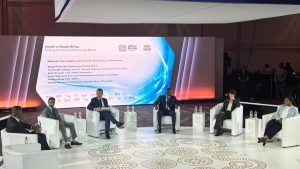
Kigali, Rwanda — On World Water Day, a pivotal high-level dialogue hosted by the Rwanda Broadcasting Agency shone a spotlight on the nation’s commitment to water security, recognizing it not just as a resource but as a fundamental human right and a pillar of sustainable development.
The conversation brought together key players—the Rwanda Water Resources Board (RWB), Water for People, and WASAC—to map out the future of water management and service delivery in Rwanda. A central theme emerged: equitable access and responsible stewardship are key to national growth.
Richard Nyirishema, Executive Chairperson of the Rwanda Water Resources Board, delivered a comprehensive view of RWB’s mission, which spans managing, allocating, and ensuring the sustainable use of water for all sectors—from agriculture and hydropower to domestic use. “RWB is tasked with ensuring that water resources are properly managed and equitably distributed,” Nyirishema explained. “We work closely with WASAC to guarantee that clean and sufficient water reaches every household in the long term.”
He passionately argued that water access must be enjoyed by every citizen without discrimination, urging all Rwandans to embrace personal responsibility for protecting this vital resource. For Nyirishema, sustainable water management is a dual effort, requiring strong institutional oversight paired with active community engagement. He stressed that by addressing disparities and enhancing governance, Rwanda can avoid water scarcity and ensure no community is left behind.Bridging the Gender Gap in Water
A significant call to action during the dialogue focused on the need to increase women’s participation in the water sector. Nyirishema highlighted a clear gender gap in careers and major projects, citing the Muvumba dam initiative as an example where women are noticeably underrepresented. He encouraged young women to pursue studies and careers in water management, emphasizing the rewarding and vast opportunities available in the field.
The discussion also reinforced the importance of responsible and lawful water use, especially for large-scale industries. Proper regulation is essential, stakeholders noted, to preserve these critical resources for future generations.Partnership for Universal Access
Eugene Dusingizumuremyi, representing Water for People, reaffirmed the organization’s commitment to partnership with government bodies like RWB and WASAC. He underscored that these collaborations are vital to achieving the shared national goal of universal water access, particularly for vulnerable communities and critical sectors like healthcare. “We are fully committed to working hand in hand with public institutions to ensure that every Rwandan has access to clean water, especially where it is most needed,” he stated, confirming their alignment with national strategies to expand water coverage.A Milestone of Progress
The national strategy is yielding tangible results. Recent findings from the EICV7 survey show that at least 90 percent of Rwandans now have access to clean water. This significant milestone is a testament to strategic planning, infrastructure development, and substantial investment in water treatment facilities and national water mapping projects.
While acknowledging that more work is needed, stakeholders concluded the dialogue by reaffirming their dedication to cooperation, infrastructure expansion, and timely, sustainable solutions for water usage challenges. Through strong partnerships, inclusive participation, and responsible management, Rwanda is setting a powerful global example of how water can drive transformation and resilience for generations to come.
About The Author


SUBSCRIBE TO OUR NEWSLETTER