Scaling Nature-Based Solutions for Sustainable Agriculture and Green Livelihoods in Rwanda

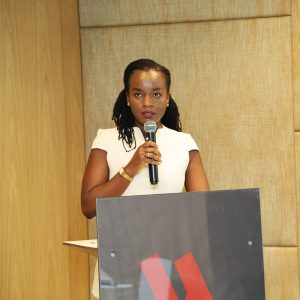
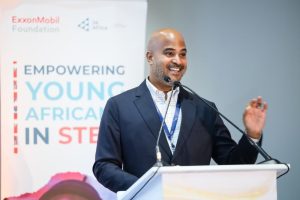
Kigali, Rwanda – As climate change continues to reshape agricultural systems and livelihoods across Africa, the Albertine Rift Conservation Society (ARCOS) is positioning Nature-Based Solutions (NBS) as a central pathway to building resilience, restoring ecosystems, and creating sustainable economic opportunities. This strategic direction was detailed by Philbert Tuyisabe, Manager of Sustainable Agriculture & Community Livelihoods at ARCOS, during the “Friends of Nature” talk held on March 30, 2026.
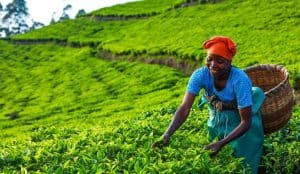
Rather than treating environmental conservation and agriculture as separate priorities, ARCOS is advancing an integrated approach that connects ecosystem restoration with productivity. Philbert emphasized that climate change and growing pressure on natural resources are disrupting agricultural productivity through land degradation and biodiversity loss. To address these pressures, ARCOS is implementing nature-based interventions such as agroforestry, watershed management, and organic farming to improve productivity and ensure communities can sustain their livelihoods.
A defining feature of ARCOS’s model is its strong focus on community ownership through its “BEST” approach: Building leadership, Enhancing resilience, Sustainable business solutions, and Transforming communities. The exact scale of this community engagement is vast. In 2025 alone, ARCOS engaged 19,818 new farmers and created 661 new Friends of Nature associations (FNAs), bringing the cumulative total to 2,971 FNAs. Furthermore, 308 farmers received dedicated training in the BEST framework and financial literacy to sustain these efforts.
The impact of this approach is reflected in concrete environmental and economic outcomes. In 2025, ARCOS created over 68,000 green jobs, empowering women, youth, and men across sustainable sectors. Currently, 8,641 hectares of land are under restoration, which included the development of 741 radical terraces and 2,631 progressive terraces in 2025 alone. Tree planting efforts also achieved massive scale: over 5,200,000 trees comprising 59 species (including 41 native species) were planted in 2025, bringing the total to more than 16 million trees since 2021. Philbert noted transparently that the average tree survival rate was 60%, though it dropped to 45% in certain projects.

To directly enhance soil health and crop productivity, ARCOS provided farmers with exact, practical inputs in 2025: 36,653 tons of manure, 6,579.4 tons of lime, 76,115 kg of bean seeds, 80,395 kg of maize seeds, and 475 agricultural tools. The adoption of climate-smart agriculture included planting 250,002 banana suckers across 300.12 hectares and distributing 519,620 coffee seedlings. Additionally, a Gravity Powered Irrigation System was operationalized on 6 hectares.
To ensure environmental action translates into tangible economic benefits, ARCOS finances green enterprises through the Umusave Fund. Cumulatively, the fund has mobilized a total capital of 1,790,987,896 Rwandan Francs (USD 1,225,086), successfully funding 2,147 green projects and engaging 1,515 FNAs (51% of the total network). In 2025 alone, 53 new Umusave Funds were established and operationalized with a capital of USD 604,711, which funded 836 green projects.
As ARCOS expands its footprint across Africa, scaling these solutions remains complex. Key barriers include limited land availability, insufficient technical capacity, monitoring and evaluation challenges, and inadequate financing. However, ARCOS is actively creating opportunities by leveraging digital monitoring tools and expanding multi-stakeholder partnerships. At the policy level, ARCOS contributed to the review of Rwanda’s third NDCs 3.0 as part of the MRV Technical Committee, and launched the Africa Land Restoration Entrepreneurship Programme (ALEP) in partnership with AUDA-NEPAD under the AFR100 framework.
As the conversation on climate action evolves, ARCOS’s approach highlights a critical shift toward integrated systems. By adhering to the philosophy that “healthy ecosystems support healthy communities,” the organization is proving that sustainable agriculture is a powerful, data-backed foundation for inclusive growth across Africa.
About The Author


SUBSCRIBE TO OUR NEWSLETTER