UK Minister Baroness Chapman Calls for ‘Fundamental Reset’ in Global Development, Rwandan Officials Participate in Global Partnerships Conference
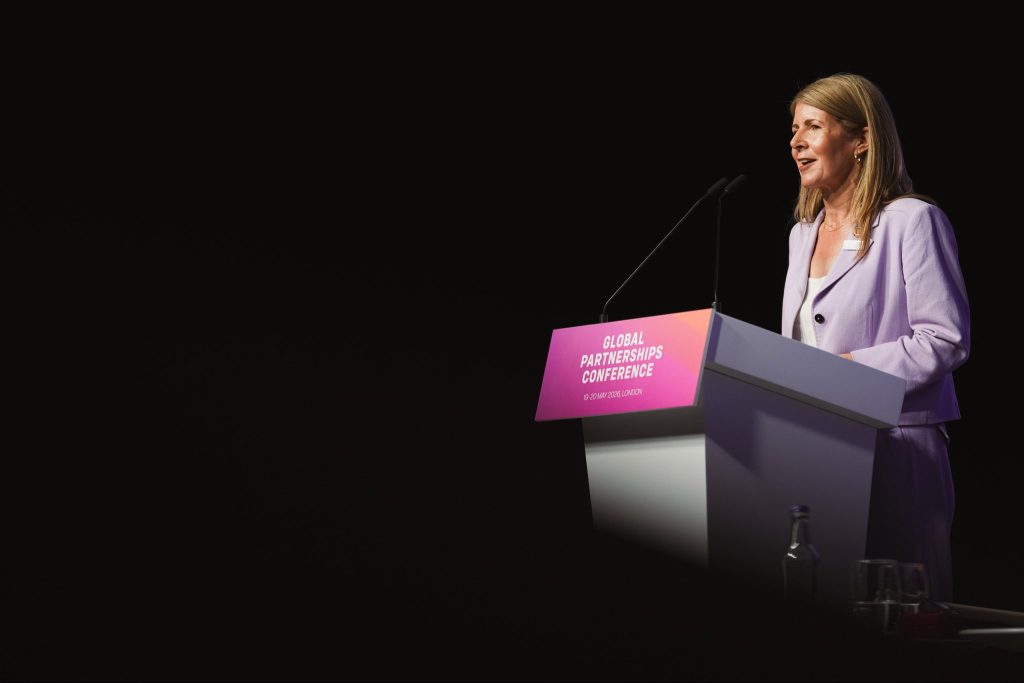
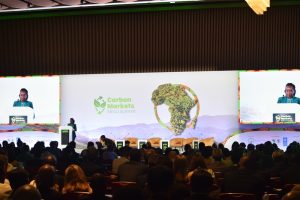
LONDON — UK Minister of State for International Development and Africa, Baroness Chapman, today called for a “fundamental reset” in the global approach to development cooperation, stressing that development is a “pragmatic investment in shared global stability, it is not an optional moral luxury”. The call was made during her speech at the Global Partnerships Conference, held at Woolwich Works on May 19, 2026.
The conference, co-hosted by the UK alongside South Africa, the Children’s Investment Fund Foundation, and British International Investment, focuses on generating new ideas and building new coalitions to address urgent global challenges.
Rwanda’s Contribution
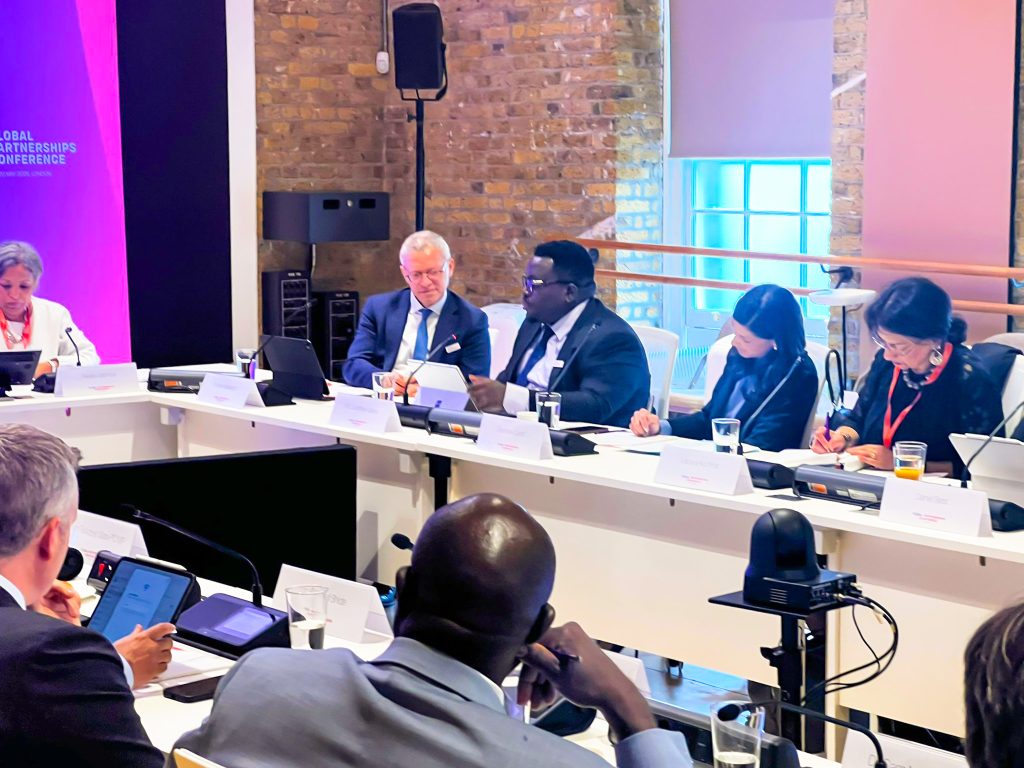
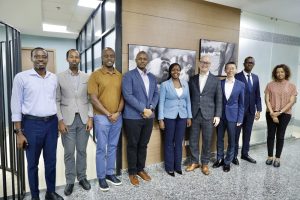
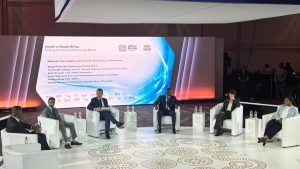
Rwanda was prominently represented at the event. Minister of State Godfrey Kabera joined a Ministerial Round Table themed “From Ambition to Implementation,” chaired by Baroness Chapman. Kabera shared Rwanda’s experiences in building coalitions to accelerate progress in key sectors, including health and infrastructure, and leveraging technology and Public-Private Partnerships (PPPs) to scale up service delivery. Ms. Claudette Irere, Minister of State at the Rwanda Ministry of Education, is also representing the country at the conference.
The Imperative for Partnership
Baroness Chapman emphasized that crises related to climate, conflict, and health are “more interconnected than ever” and that “no one nation, organisation or person can tackle this alone”. She warned that “doing more of the same won’t cut it” and advocated for collective, respectful, and mutually reinforcing partnerships.

A central point of her speech was the need to shift power and move away from “top-down, lecturing, bureaucratic systems” towards “equal partnerships,” which combine international expertise with local experience.
Addressing Africa’s Financing Gap
The Minister highlighted the stark financial reality facing the Global South, noting that the current financing model is “wholly incapable” of meeting the $1.3 trillion financing gap Africa needs annually to deliver on the Sustainable Development Goals (SDGs). She also pointed out that 28 countries in Africa currently spend more on debt servicing than on health. To tackle this, the focus must be on fairer finance and faster access to knowledge and technology.
Baroness Chapman urged all attendees—from governments, civil society, and the private sector—to inject urgency into reforms. She concluded her speech by encouraging all participants to Sign the Compact, a shared commitment to working faster, more openly, and in true partnership on themes of finance, technology, and shifting power.
About The Author


SUBSCRIBE TO OUR NEWSLETTER