How Improved Fodder Cultivation Is Boosting Milk Production and Incomes in Gatsibo
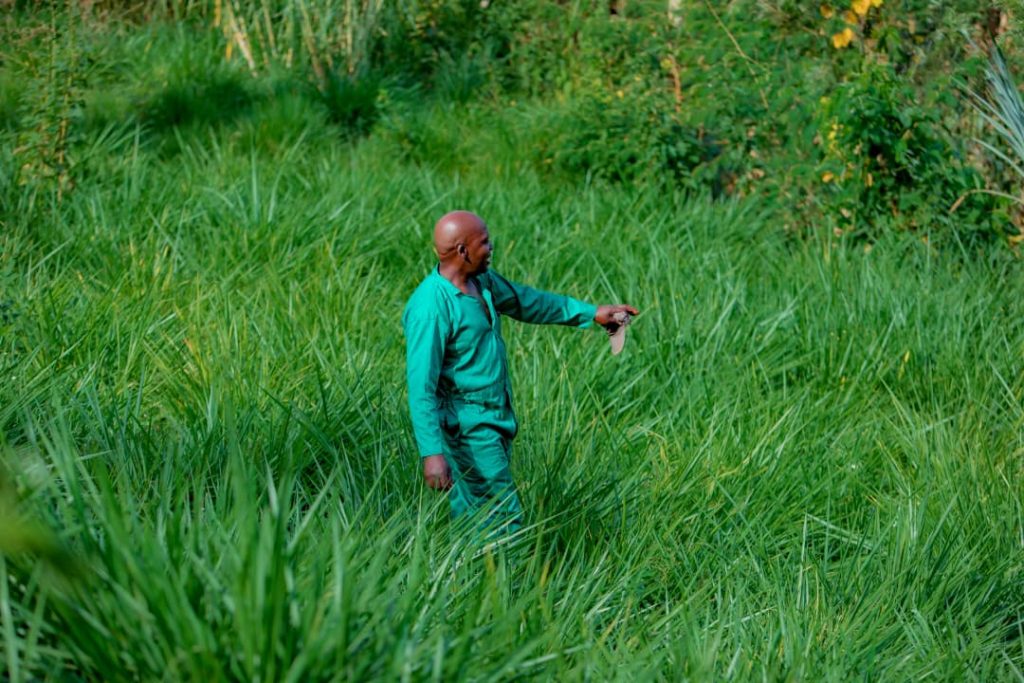
Dairy farmers in Gatsibo District used to struggle with low milk production, largely due to inadequate animal feed and limited knowledge of livestock nutrition. Today, many report improvements in milk yields and household incomes following the adoption of improved fodder grasses and training provided through the Rwanda Dairy Development Project Phase II (RDDP II).
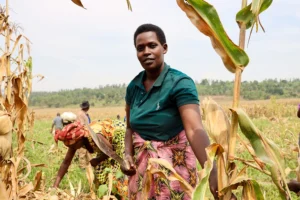
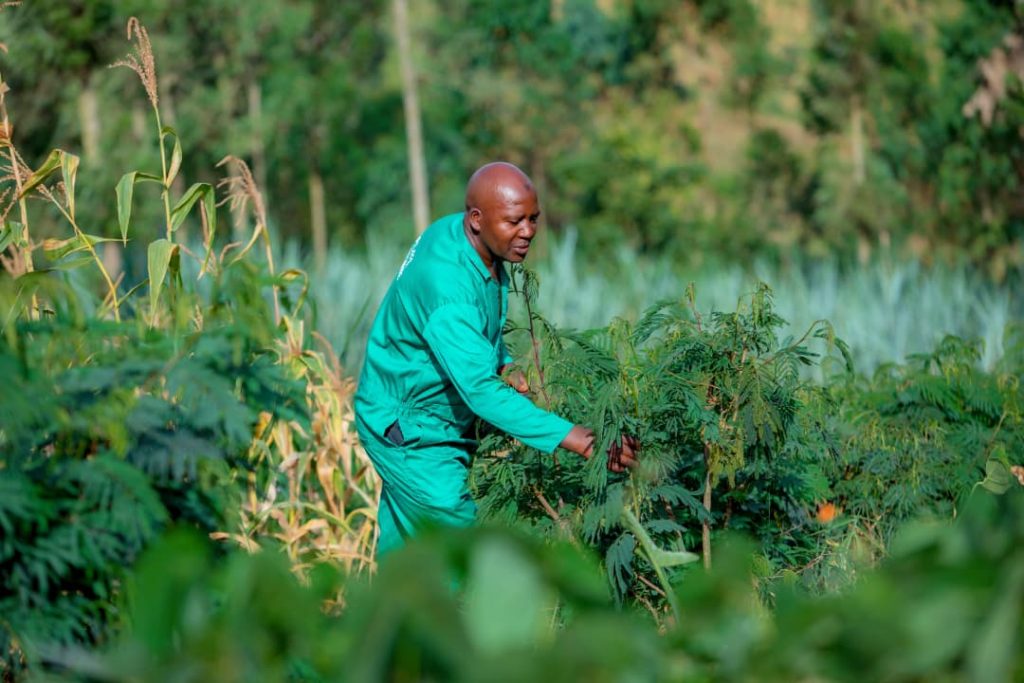
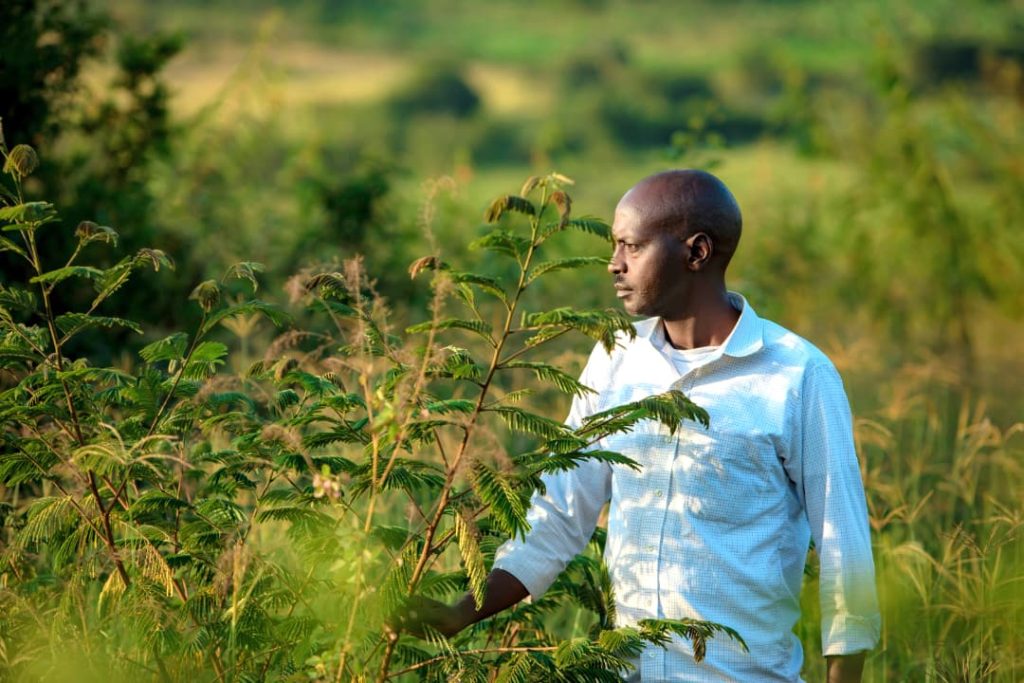
Among them is Ismael Ngendahayo, a forage farmer and seed producer from Akabuga Cell in Kiramuruzi Sector, who has turned fodder cultivation into a thriving business while significantly improving the productivity of his dairy cows.
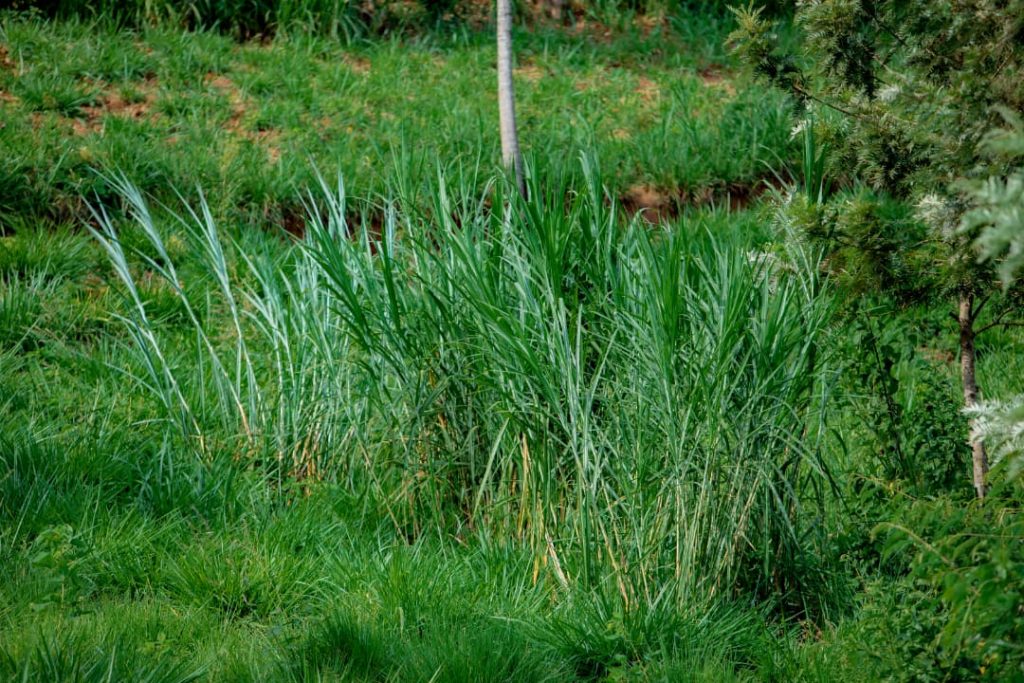
Ngendahayo cultivates a variety of improved forage crops, including Chloris gayana, Brachiaria, Panicum, Napier 112, Mucuna and Desmodium. These grasses and legumes are rich in nutrients that provide livestock with the energy, protein and minerals needed for higher productivity.
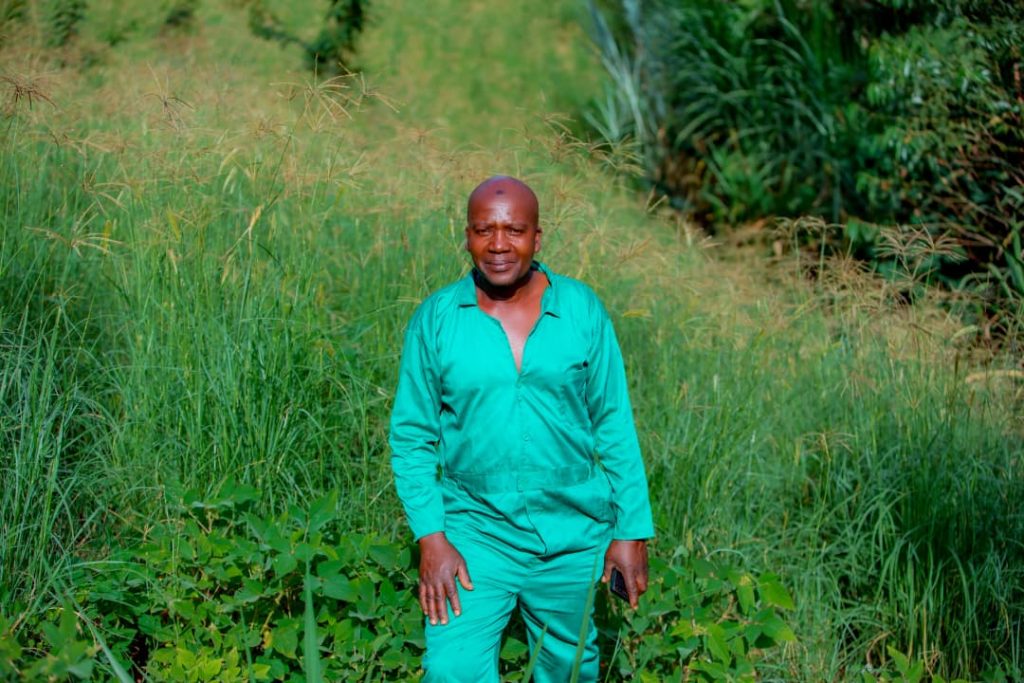
“With the support of RDDP II, I learned that relying on a single type of grass cannot provide all the nutrients a cow needs,” he said. “Just like humans, cows require a balanced diet that includes both energy-giving and body-building nutrients.”
His decision to invest in fodder cultivation was initially driven by persistent feed shortages on his farm.
“I started on a small plot and quickly noticed that my cows no longer suffered from feed scarcity. Milk production increased almost immediately,” he recalled.
What began on a 20-by-20-meter plot has expanded to two hectares of improved fodder. In a single season, Ngendahayo earned about Rwf2 million from selling forage seeds grown on roughly one hectare.
“With that income, I bought a cow worth Rwf1 million and reinvested in improving my fields and purchasing fertilizers,” he said.
The impact on milk production has been significant. Previously, his cows produced barely one litre of milk per day. Today, some produce more than 10 litres.
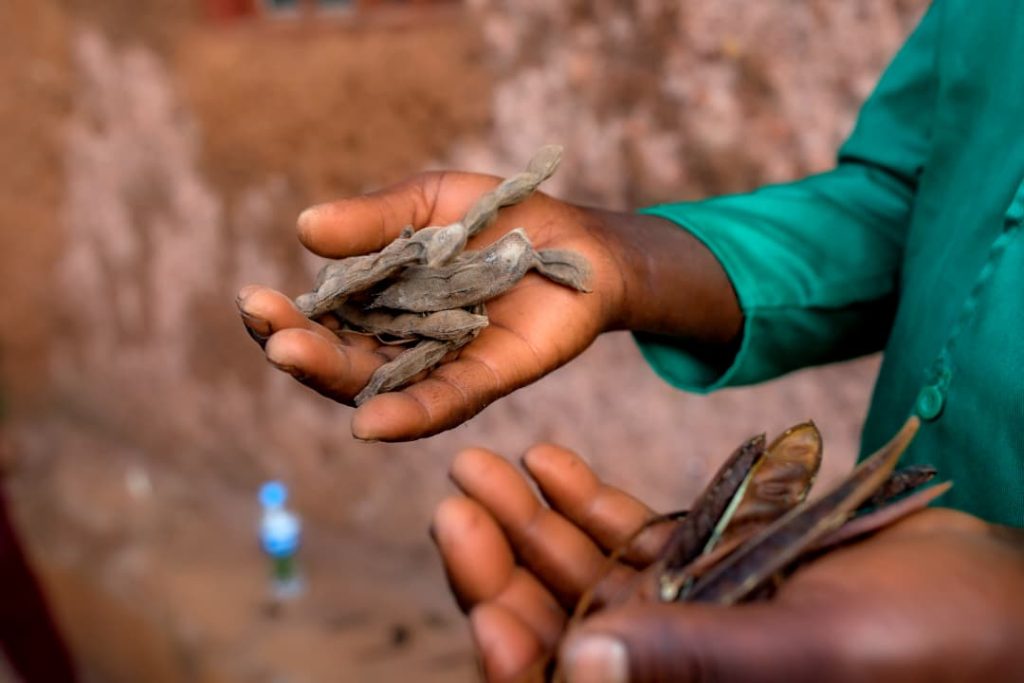
“Before, I mainly fed them energy-rich feed. Now I combine it with protein-rich fodder and apply the feeding techniques we learned through training. The difference has been enormous,” he explained.
Ngendahayo now sells improved forage seeds to farmers across the region at Rwf5,000 per kilogram and plans to expand further by establishing hay storage facilities and, eventually, a fodder processing plant.
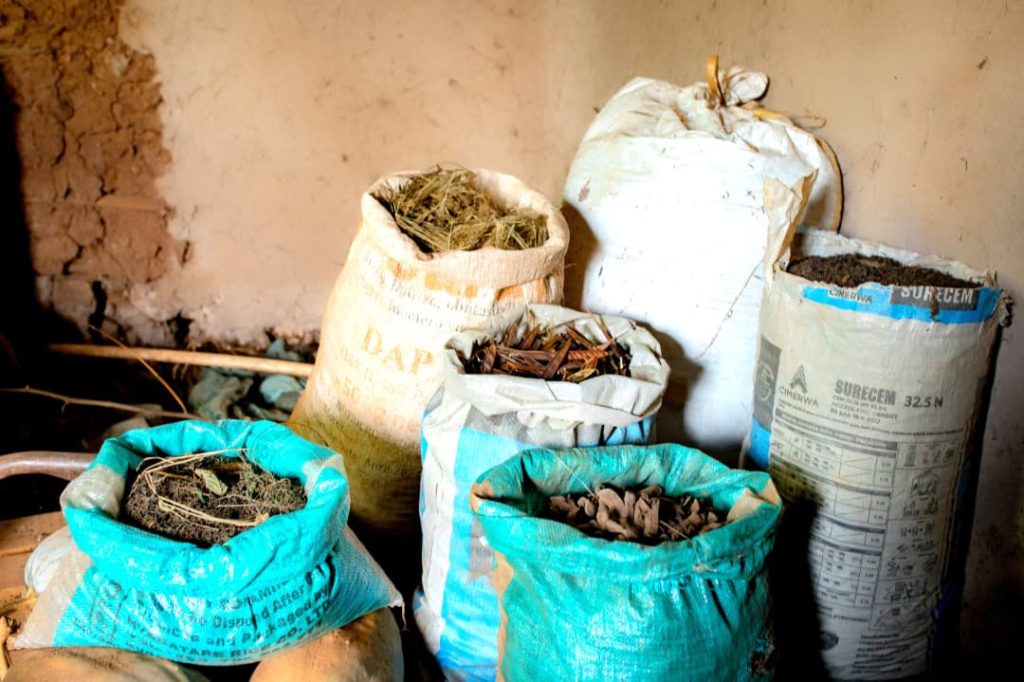
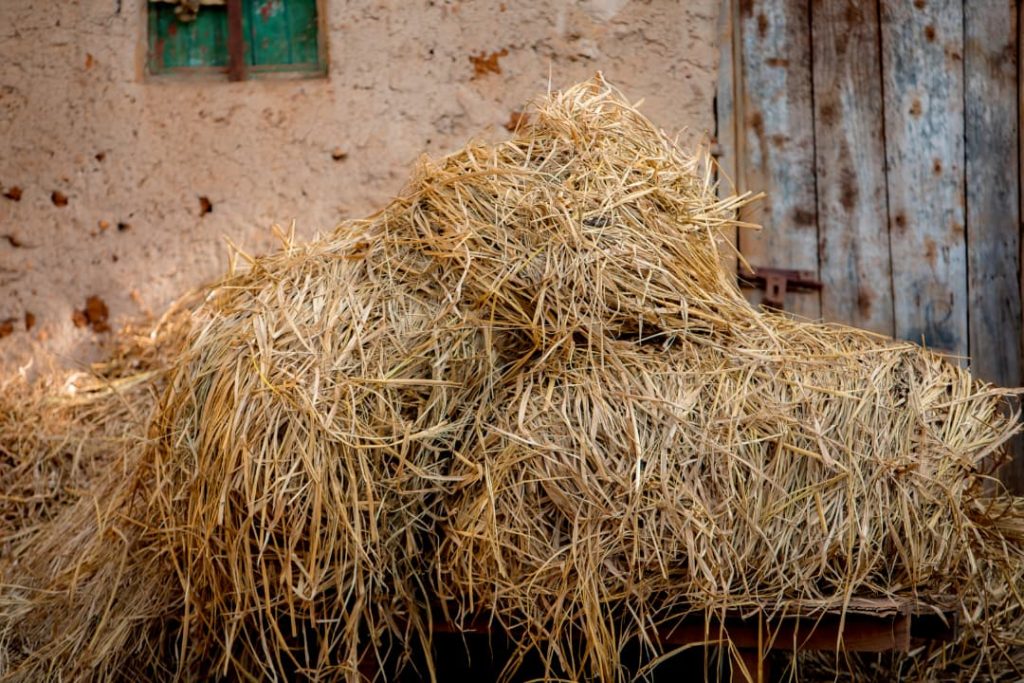
“With proper drying and storage infrastructure, we can produce quality animal feed throughout the year and support many more farmers,” he said.
From seasonal milk shortages to year-round production
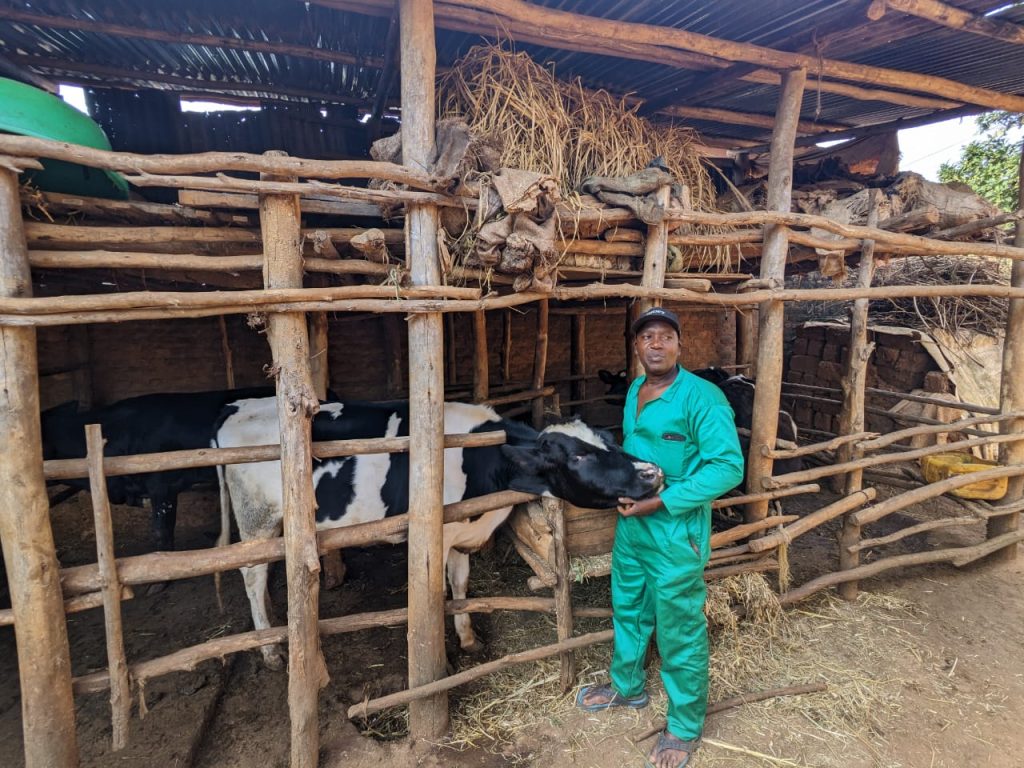
Peter Muyambe, a dairy farmer from Rwiminazi Village in Nyamatete Cell, Rwimbogo Sector, says improved fodder cultivation has transformed his livestock enterprise.
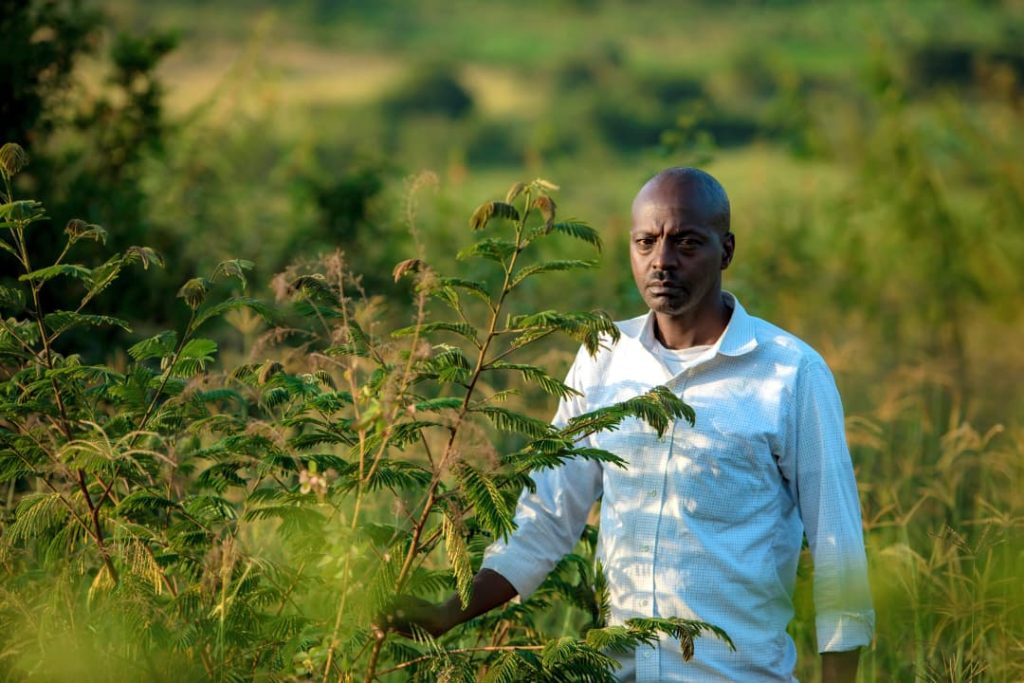
He started cultivating fodder grasses two years ago on half a hectare of land. Today, he has expanded to 1.5 hectares because of the benefits he has witnessed.
“Improved fodder is far more productive than relying on grazing alone. The grass can be harvested up to four times a year,” he said.
According to Muyambe, milk production on his farm has increased dramatically.
“Before we learned about fodder cultivation, our cows produced only one or two litres of milk a day. Today, some produce up to 15 litres,” he said.
Feed shortages were once a major challenge during the dry season. Farmers often went several months without meaningful milk production due to a lack of pasture and water.
“From May to October, we could hardly milk our cows because there was no grass. Today, that problem is gradually disappearing because we have enough fodder depending on the size of the herd,” he explained.
RDDP II has also trained farmers on modern livestock management practices, including the construction of proper cowsheds and methods for conserving fodder for use during dry periods.
“The project provided us with fodder seeds and taught us how to preserve grass for long-term use, ensuring feed availability even when rainfall is scarce,” Muyambe added.
Strengthening the dairy value chain
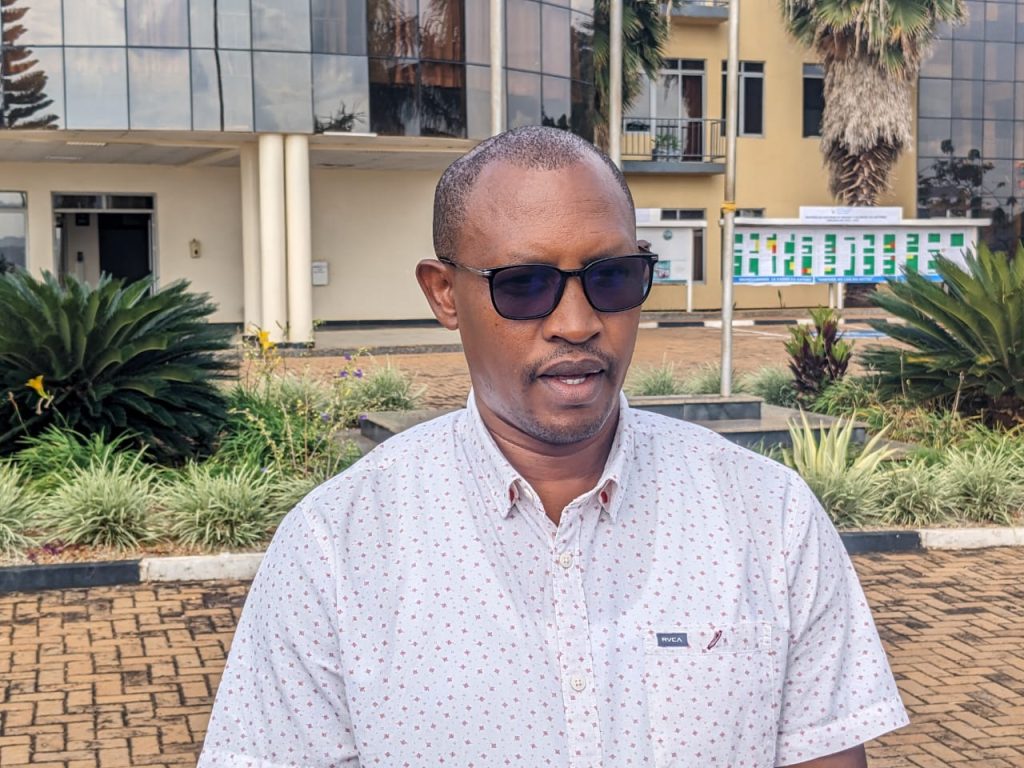
According to Jean Leonard Sekanyange, Vice Mayor of Gatsibo District in charge of Economic Development, RDDP II is playing a critical role in strengthening dairy farming across the district.
“The project has supported our farmers by providing improved dairy cows and promoting fodder production,” he said.
So far, about 150 dairy cows have been distributed to farmers, and district authorities expect beneficiaries to pass on calves to other households under Rwanda’s livestock-sharing approach.
“Previously, feed shortages were a major challenge. Through RDDP II, farmers and forage producers are being supported to cultivate fodder so that quality feed becomes readily available and milk production increases,” Sekanyange noted.
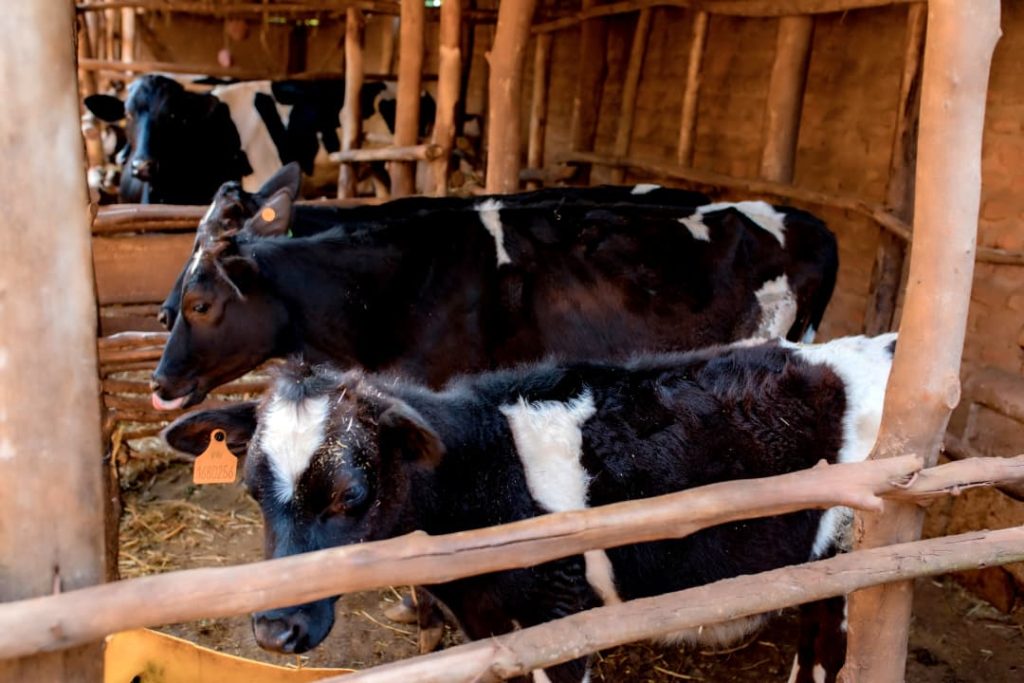
The project has also invested heavily in farmer capacity building. A total of 56 community livestock facilitators have been trained to provide technical support to farmers, while about 3,000 dairy farmers organized in 143 groups have received training in modern dairy production practices.
Infrastructure improvements are also underway. The project plans to rehabilitate four milk collection centres located in Rwimbogo, Kiziguro, Kibondo and Kiramuruzi, as well as two milk collection points in Murambi and Rwimbogo.
“These facilities will help accommodate the growing milk volumes and ensure farmers have reliable places to deliver their milk,” Sekanyange said.
Gatsibo currently produces about 60,000 litres of milk per day, up from approximately 45,000 litres two years ago. The district aims to increase production to 100,000 litres per day in the coming years.
The Rwanda Dairy Development Project Phase II is a six-year initiative running from 2024 to 2030, with a budget of $100.37 million (approximately Rwf127 billion). The project is jointly funded by the International Fund for Agricultural Development (IFAD) and the Government of Rwanda and is implemented through the Rwanda Agriculture and Animal Resources Development Board (RAB).
Operating in 27 districts nationwide, the project seeks to improve the productivity, resilience and profitability of smallholder dairy farmers through investments in climate-smart agriculture, animal health, breeding services, feed and water systems, access to finance and improved milk marketing infrastructure.
The initiative is expected to benefit around 175,000 rural households, equivalent to about 700,000 people, with particular attention given to women, youth and vulnerable groups.
About The Author


SUBSCRIBE TO OUR NEWSLETTER