Kigali Innovation City: Rwanda’s Data-Driven Bet on Africa’s Tech Future
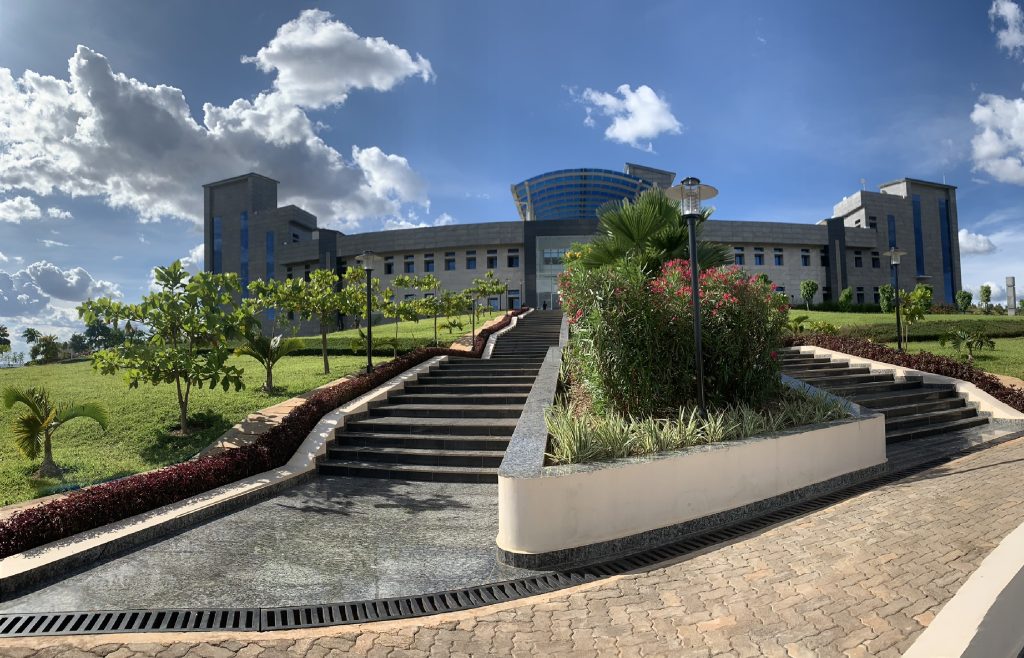
As Rwanda posted a robust 9.4% GDP growth in 2025 — well above its 7% target — one flagship project stands out as a catalyst for sustained, knowledge-based expansion: Kigali Innovation City (KIC).

This 61-hectare mixed-use smart city development in Gasabo District is no longer just a vision on paper. Construction broke ground in September 2024, and early infrastructure work is now advancing in 2026.
KIC is designed as a live-work-play ecosystem integrating universities, research labs with a strong focus on AI, biotech, and robotics, Grade A offices, startup incubators, student and residential housing, retail, and hotels.
FUTURE PROJECTIONS
These figures position KIC not merely as real estate but as a deliberate multiplier for Rwanda’s digital economy.
ICT has already become the country’s second-largest export contributor, helping diversify away from traditional commodities.
Construction officially began with a high-level ceremony in September 2024 attended by the Former Prime Minister Édouard Ngirente.
Horizontal infrastructure including roads and utilities, along with initial buildings, is progressing steadily.
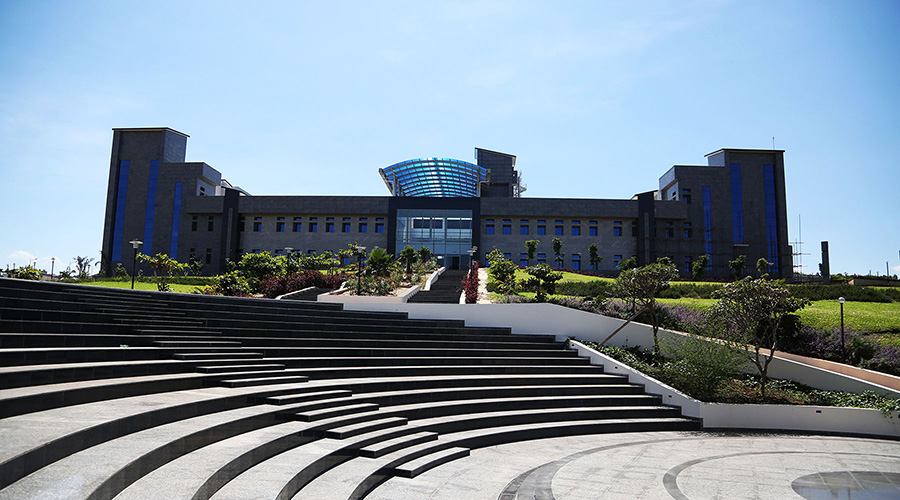
Institutional anchors such as Carnegie Mellon University Africa, African Leadership University, and University of Rwanda centers are already operating nearby, alongside companies like Cooper Pharma, providing immediate R&D and talent pipelines.
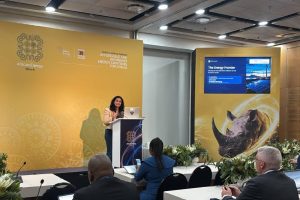
In 2025–2026, KIC has featured prominently at events like REDS Africa, where it was presented as a case study in African innovation and sustainability.
High-level diplomatic visits continue to explore partnerships, including interest from Japanese firms.
This momentum aligns with Rwanda’s Smart Rwanda Master Plan and recent national innovation conferences focused on AI and regional collaboration.
The city is explicitly positioned to help spawn Africa’s first billion-dollar tech businesses and beyond.
KIC’s metrics align with proven global innovation hubs: concentrated talent, modern infrastructure, and policy certainty.
Rwanda’s government-backed approach, offering incentives, de-risking through public-private partnerships, and integrating education with enterprise, sets it apart.
The digital sector in Sub-Saharan Africa is one of the fastest-growing contributors to GDP, and KIC aims to capture and amplify that wave through targeted infrastructure and green design standards.
Real estate opportunities in student housing, offices, and supporting services are actively being marketed to meet anticipated demand as construction scales.
In a continent where youth demographics and digital leapfrogging offer massive potential, Kigali Innovation City represents a high-conviction, data-backed play.
With construction underway, strong 2025 economic tailwinds, and clear KPIs for jobs, exports, and graduates, the project is moving from blueprint to reality.Whether you’re an investor, tech entrepreneur, university, or policymaker, the numbers invite attention: $2 billion impact, 50,000 jobs, and $150 million in annual exports. Kigali isn’t waiting for Africa’s tech future — it’s engineering it, one data point and foundation at a time.
About The Author


SUBSCRIBE TO OUR NEWSLETTER