African Women Demand Justice in Energy Transition at Launch of Regaining the Currents
Harare/Bukavu – May 14, 2026 — Grassroots women from mineral-rich communities across Africa are calling for a people-centered and gender-just energy transition following the launch of the book Regaining the Currents: Indigenous Women’s Ecofeminist Voices for a Just Energy Transition in Africa.
The virtual launch, convened by Shine Collab together with partners including Earthlife Africa and the Bernstein Institute for Human Rights, brought together climate justice advocates, researchers, feminist organizers, community leaders, and development partners from across the continent.
The publication documents the lived experiences of Indigenous and grassroots women affected by mineral extraction and unequal energy systems, while highlighting community-led solutions rooted in renewable energy, legal empowerment, and feminist participatory action research.
Central to the discussions were the experiences of the Vatombe women of Hanyanya in Zimbabwe and women in Bukavu in the Democratic Republic of Congo (DRC), whose communities continue to face land dispossession, pollution, and environmental destruction linked to mining activities associated with the global energy transition.
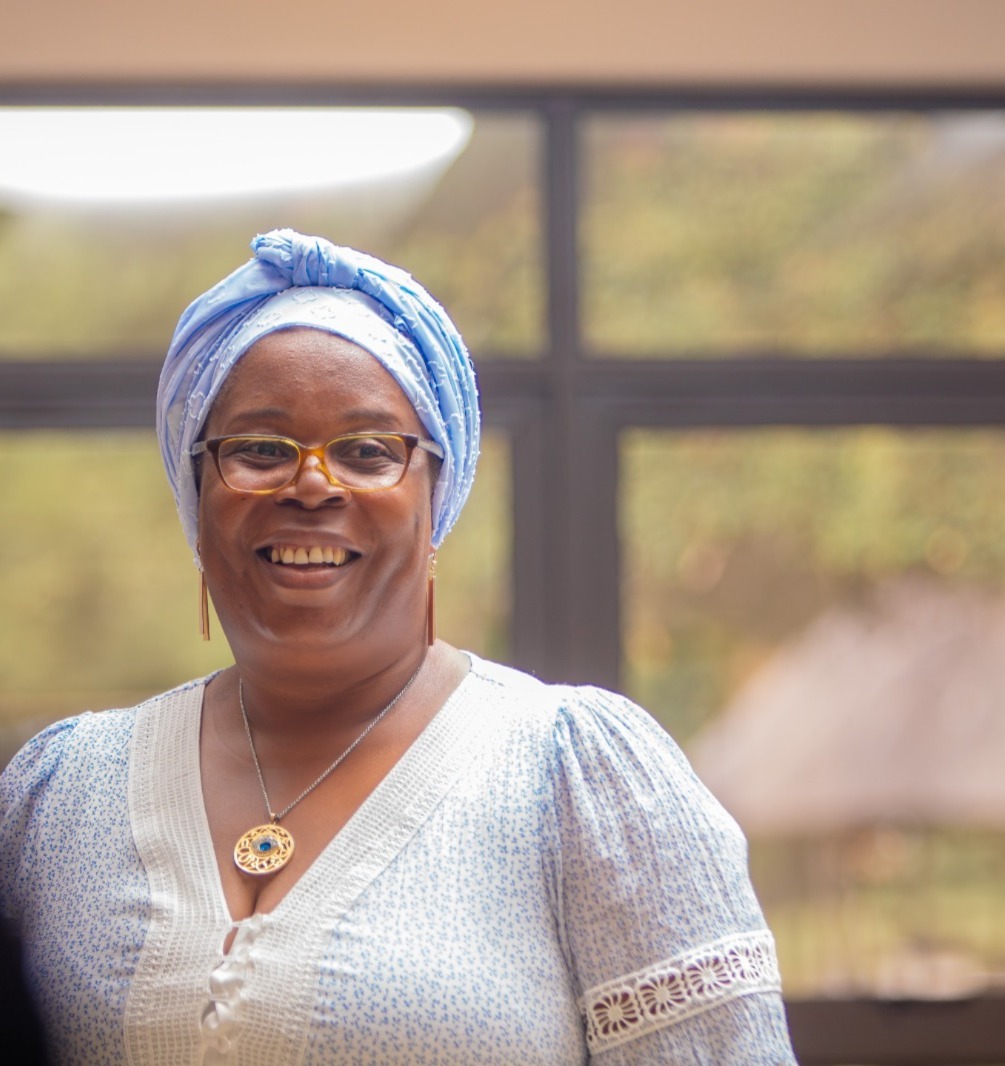
“We are losing the land that remembers us,” said Gamuchirai Munesi, Acting Village Head of the Vatombe community in Hanyanya village.
“The women are asking critical questions about who truly benefits from the transition,” said Dr Mela Chiponda, the presenter and Executive Director of the Shine Collab, a global feminist network that empowers women-led, community-driven renewable energy solutions in Africa and the Global South during the launch. “Communities that have protected ecosystems for generations cannot continue to bear the burden of extraction while remaining excluded from decision-making.”
The book launch featured a documentary highlighting the struggles of communities impacted by lithium extraction in Zimbabwe. Speakers noted that while the world increasingly embraces clean energy technologies, many African communities are experiencing new forms of displacement and ecological harm in the process.
Tyler Walton, Deputy Director at the Bernstein Institute for Human Rights, emphasized the importance of legal empowerment and community knowledge. “These communities possess deep knowledge of their land, governance systems, and traditions,” he said. “Legal empowerment strengthens the ability of communities to assert and defend rights they already understand profoundly,” he added.
As part of the initiative, young women in affected communities are being trained as paralegals to advocate for land rights, environmental justice, and meaningful participation in policy processes.
The launch also highlighted the establishment of a solar-powered Just Transition Hub in Zimbabwe, which serves as a safe space for women’s organizing, skills development, and income-generating activities. The hub includes renewable energy technologies such as solar dryers, solar cookers, sewing machines, and solar lighting systems aimed at reducing deforestation and improving livelihoods.
Speaking during the event, climate and feminist advocate Selina Sanou reflected on the similarities between the struggles faced by women in Zimbabwe and those in eastern DRC.
“The stories of women in Bukavu are not far from the stories of women in Hanyanya,” she said. “Land encroachment, pollution, and the exclusion of women from decision-making continue to define many extractive projects across Africa.”
Selina stressed the need for energy transition policies that recognize women’s traditional ecological knowledge and guarantee free, prior, and informed consent for communities affected by energy and mining projects.
Participants at the launch further emphasised the need for media, policymakers, and international climate actors to amplify grassroots women’s voices in shaping Africa’s energy future.
The initiative was supported by several partners including Wallace Global and the Women, Environment, and Development Organization, GreenFaith who continue to support feminist climate justice organising and community-led advocacy efforts.
Dr Chiponda noted that Regaining the Currents is not only a documentation of struggles but also a celebration of women-led alternatives already emerging across the continent.
“The future of Africa’s energy transition must be built with communities, not imposed on them,” she said. “Women are not passive victims of climate change and extraction — they are leaders shaping pathways toward justice, sustainability, and collective care.”
The book and accompanying documentary are expected to support ongoing advocacy, research, and movement-building efforts around climate justice and equitable energy transitions in Africa.
About The Author


SUBSCRIBE TO OUR NEWSLETTER