The Diplomacy of Trust: Unpacking the Uganda-Rwanda Thaw and Africa’s Geopolitical Future
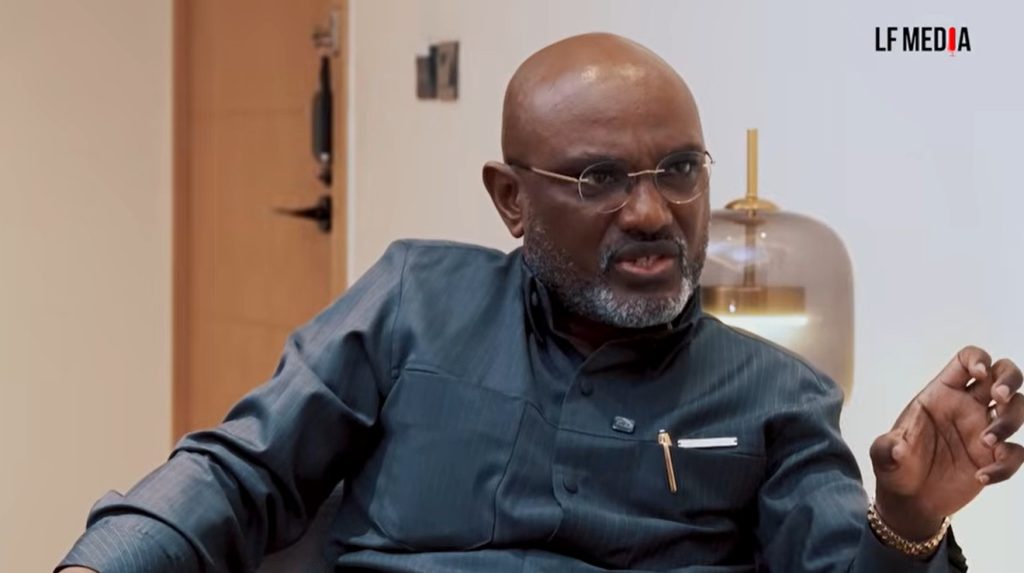
In the high-stakes arena of East African geopolitics, the relationship between Uganda and Rwanda is critical; what happens between these two nations inevitably shapes the entire region. According to Dr. Adonia Ayebare, Uganda’s Ambassador to the United Nations, this vital relationship in the Past survived a severe crisis fueled by a dangerous deficit of trust and historical mismanagement.
The Brink of War and the 2019 Border Closure
The 2019 closure of the Uganda-Rwanda border was a stark wake-up call that exposed a profound breakdown in trust between the two states. At the height of the diplomatic impasse, the situation escalated to a point where a catastrophic “shooting war” was a genuine possibility.
Ambassador Ayebare notes that the root of the conflict lay in the dangerous informality between the two governments. The ruling movements of both nations—Uganda’s National Resistance Movement (NRM) and Rwanda’s Rwandan Patriotic Front (RPF)—share deep historical ties, with leaders who fought alongside one another during revolutionary struggles. However, officials failed to transition these personal, inter-people relationships into formal, institutionalized interstate relations. This lack of predictable, official communication channels bred deep suspicion, resulting in espionage allegations, the arrest of citizens, and the hijacking of national interests by political spoilers.
An Unconventional Diplomatic Breakthrough
Standard diplomacy quickly reached a dead end, failing to de-escalate the crisis despite the mediation efforts of regional leaders like Angola’s President João Lourenço and DRC’s President Félix Tshisekedi.
The pivotal breakthrough ultimately came when General Muhoozi Kainerugaba, Uganda’s Chief of Defence Forces, took a calculated risk to personally repair the relationship. Utilizing his unique position as the head of the military, the son of President Yoweri Museveni, and his close personal relationship with Rwandan President Paul Kagame, Gen. Kainerugaba bypassed the stalled formal channels.
Described as a fair-minded and careful listener, he was able to establish direct, honest communication with President Kagame to distill the true positions of both nations. Through sheer diplomatic finesse and built-in trust, Gen. Kainerugaba achieved what formal negotiations could not: within just two weeks of his intervention, the diplomatic ice thawed, and the borders were reopened.
Regional Security in the Democratic Republic of Congo
The stability of Uganda and Rwanda is deeply intertwined with the security of the broader region, particularly the Democratic Republic of Congo (DRC). Currently, the UPDF is operating in eastern DRC to neutralize the Allied Democratic Forces (ADF), an ISIS-linked terrorist organization that seeks to establish a republic based on Sharia law.
Under President Tshisekedi, the Congolese government permitted Ugandan forces to conduct “Operation Shujaa” to fight the ADF, reversing the uncooperative stance of former President Joseph Kabila, under whom the ADF grew significantly. However, Ambassador Ayebare stresses that groups like the ADF and the Democratic Forces for the Liberation of Rwanda (FDLR) remain grave regional threats rooted in dangerous extremist ideologies. He argues that these insurgencies cannot be managed merely through bilateral agreements; they demand unified, robust regional mechanisms.
Africa on the Global Stage
Beyond regional borders, Ambassador Ayebare’s insights shed light on Africa’s standing within a shifting, multipolar world and a UN Security Council that was designed by the victors of World War II to manage a completely different era.
When Africa’s 54 nations unite as a bloc, they wield immense multilateral power.
This was recently demonstrated when the African group successfully pushed through a UN tax convention designed to curb tax misbehavior by multinational corporations, winning the vote despite intense opposition from Western nations.
Yet, the continent has also suffered tragic diplomatic failures when unity has fractured. Ayebare highlights the “scandalous” 2011 UN Security Council vote where the three African representatives at the time—South Africa, Nigeria, and Gabon—succumbed to Western pressure and voted to authorize the military intervention in Libya. This resolution, disguised with the notorious phrase “all necessary means,” provided legal cover for NATO to oust Muammar Gaddafi. The disastrous fallout of that vote continues today, fueling the proliferation of arms and terrorist groups like Boko Haram that are actively destabilizing Nigeria and the wider Sahel region.
Ultimately, whether managing border disputes in Kabale or fighting for equitable policies in New York, the foundation of Africa’s political success relies on abandoning informal assumptions, building institutional trust, and maintaining unyielding regional solidarity.
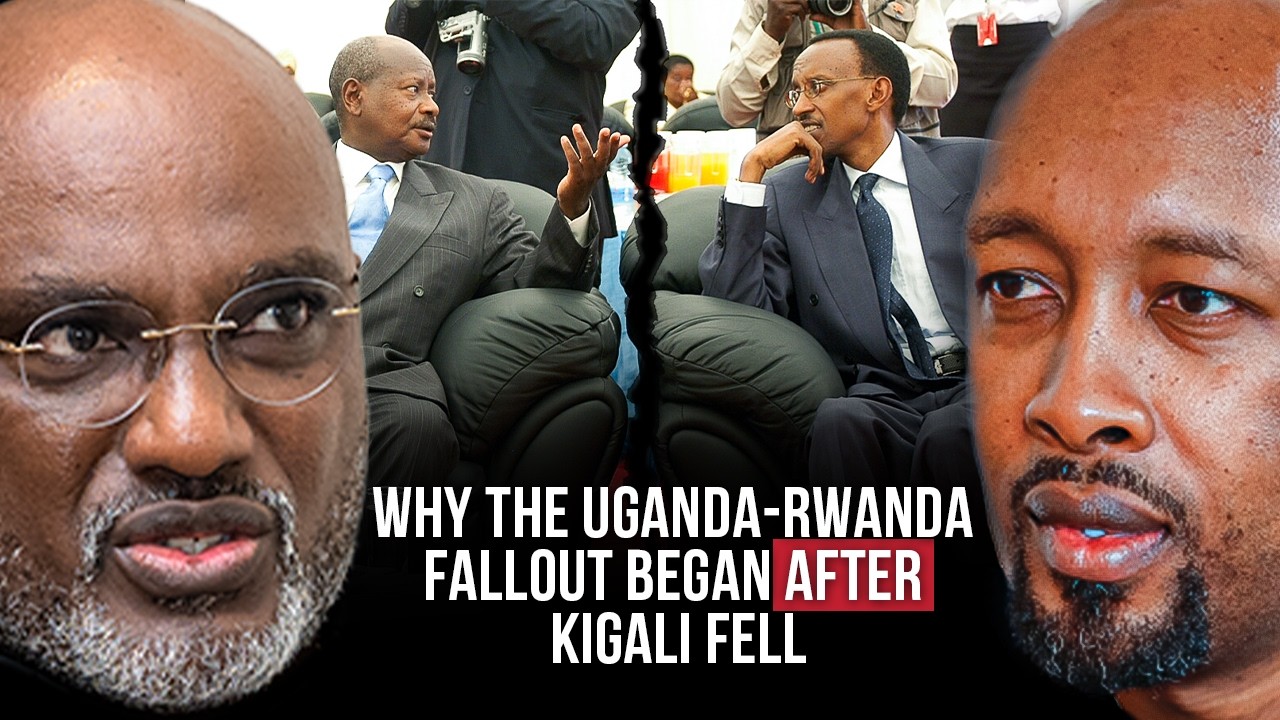
Watcht the
The Long Form Podcast here:
About The Author


SUBSCRIBE TO OUR NEWSLETTER