Rwanda Celebrates International Day for Biological Diversity with Strong Call for Local Action and Global Impact
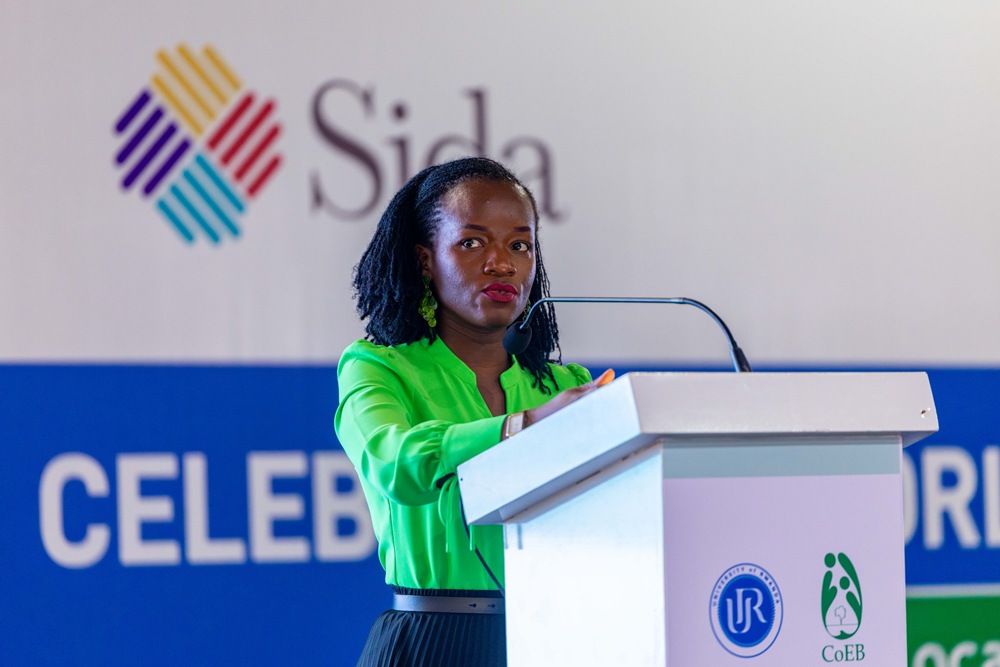
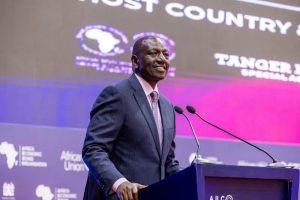
Rwanda's Minister of Environment, Dr. Arakwiye Bernadette addressing the Participants
Kigali, Rwanda – May 22, 2026 — Rwanda joined the global community today in marking the International Day for Biological Diversity (IDB) under the theme “Acting locally for global impact,” highlighting the country’s ambitious conservation efforts and community-driven initiatives.
Environment Minister Dr. Bernadette Arakwiye led national observances, emphasizing that biodiversity protection forms a core part of Rwanda’s development strategy.
READ ALSO: Rwanda Joins Global Community in Celebrating World Bee Day 2026
In an opinion piece published today, the Minister described biodiversity as “national infrastructure,” underscoring its integration into economic planning, climate resilience, and community livelihoods.
Key Highlights from Rwanda’s Celebrations
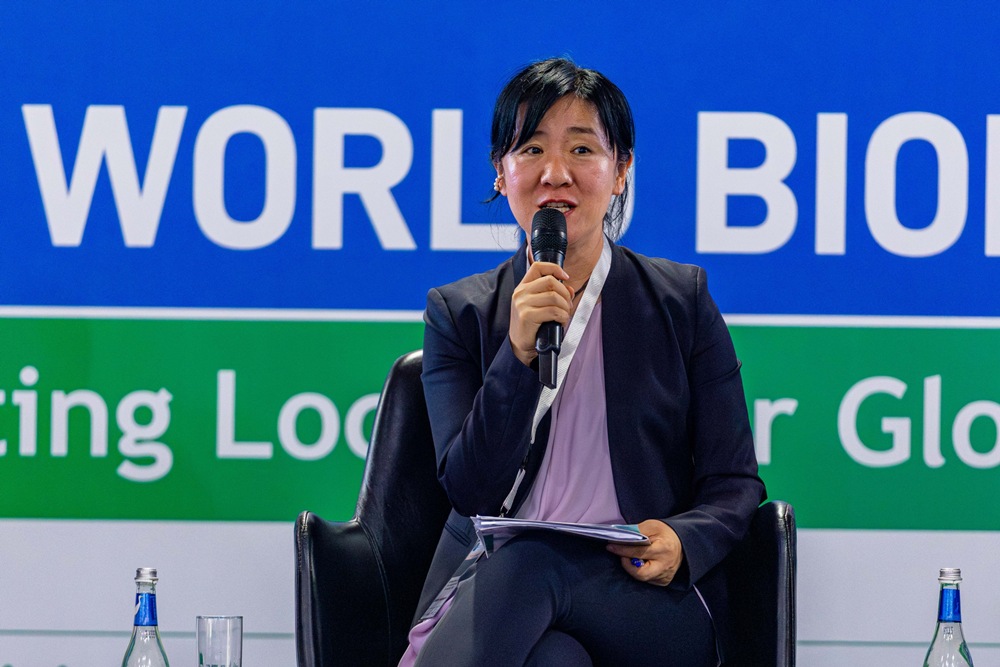
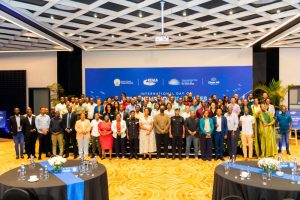
Ms. Kaori Yasuda, IUCN Country representative speaking at the celebration event
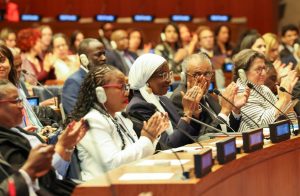
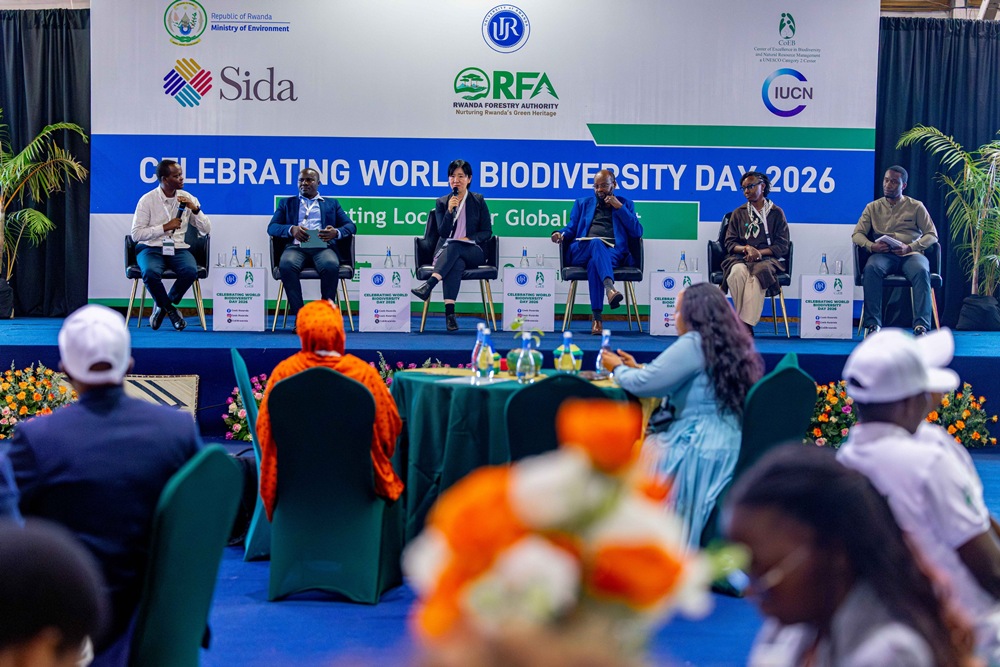
Events included official ceremonies, awareness activities organized in partnership with institutions like the University of Rwanda and IUCN Rwanda, student engagements, and community outreach. A notable student poem titled “If nature would speak” featured prominently in celebrations.
Rwanda has made significant strides in recent years:
Mountain Gorilla Recovery: Populations in the Virunga region have rebounded dramatically through sustained protection and community involvement.
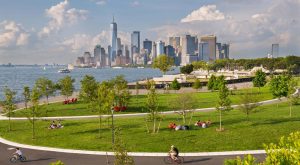
Urban Restoration: Wetlands in Kigali have been restored for flood control, biodiversity support, and public green spaces. Biodiversity in Nyandungu Eco-Park has nearly doubled according to recent surveys.
Protected Areas Expansion: Gishwati-Mukura National Park was designated a UNESCO Biosphere Reserve. Akagera National Park saw successful reintroductions of lions and rhinos, boosting ecological balance and tourism revenue.
Community Benefits: Tourism revenue-sharing programs have funded local projects such as schools and health centers around protected areas.
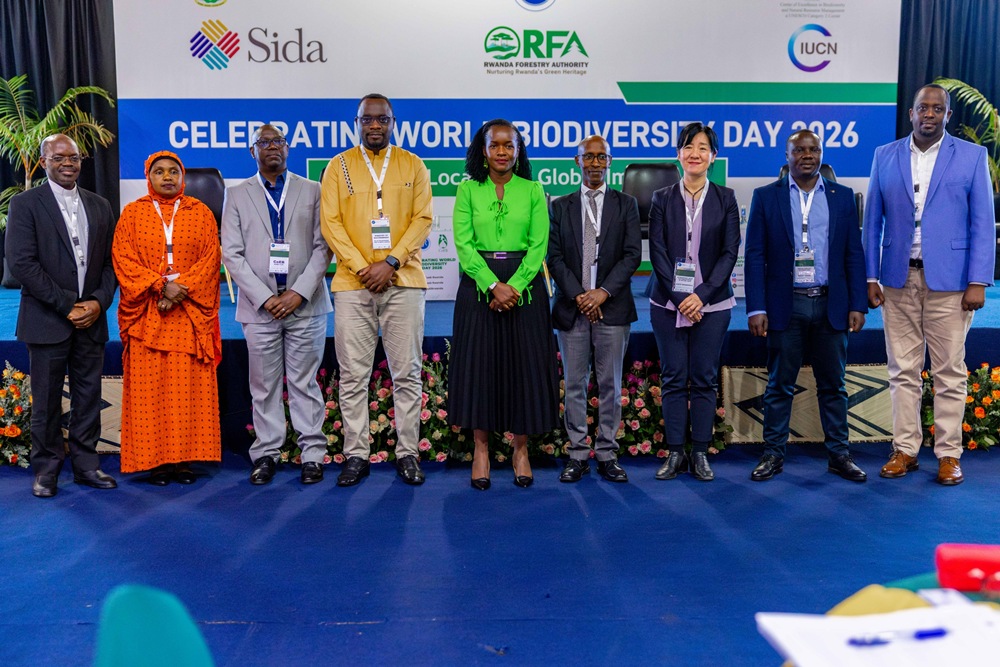
The country recently launched its National Biodiversity Strategy and Action Plan (NBSAP 2025-2030), which aligns national targets with the Kunming-Montreal Global Biodiversity Framework. This roadmap embeds biodiversity considerations across sectors including agriculture, infrastructure, and finance.
Broader Context and Challenges
Rwanda faces the dual challenge of high population density and limited land resources. However, through innovative land-use planning and nature-based solutions, the government aims to balance development with conservation.
UNESCO also highlighted Rwanda today for its work empowering women in beekeeping near protected forests as part of broader pollinator conservation efforts.
Minister Arakwiye called for stronger international partnerships, including predictable financing for restoration projects and nature-positive investments. “Acting locally is not a symbolic gesture — it is a strategic path to global impact,” she stated.
About The Author


SUBSCRIBE TO OUR NEWSLETTER