Rwanda Joins Global Community in Celebrating World Bee Day 2026
Institutions Highlight Pollinators’ Role in Biodiversity, Food Security, and Livelihoods
Kigali-Rwanda, May 21, 2026 — Several Rwandan institutions, government bodies, and partners marked World Bee Day yesterday (May 20) with events, awareness campaigns, and community activities under the global theme “Bee Together for People and the Planet – A Partnership That Sustains Us All.”
The day, which honors the birthday of Slovenian beekeeping pioneer Anton Janša, focused on the critical contributions of bees and other pollinators to ecosystems, agriculture, and sustainable development.
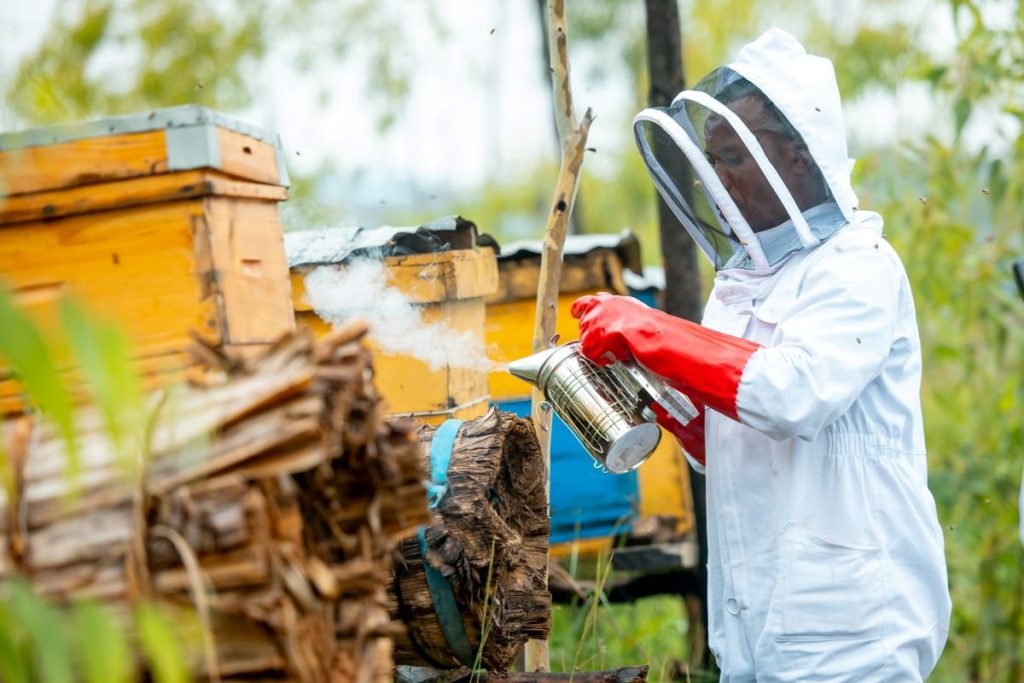
In Rwanda, celebrations emphasized beekeeping as a tool for environmental restoration, women’s empowerment, and rural income generation.
Spotlight on Gishwati-Mukura Biosphere Reserve
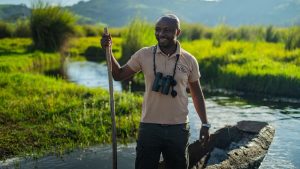
The flagship national event took place in the Gishwati-Mukura Landscape Biosphere Reserve in Rutsiro District, Western Province.
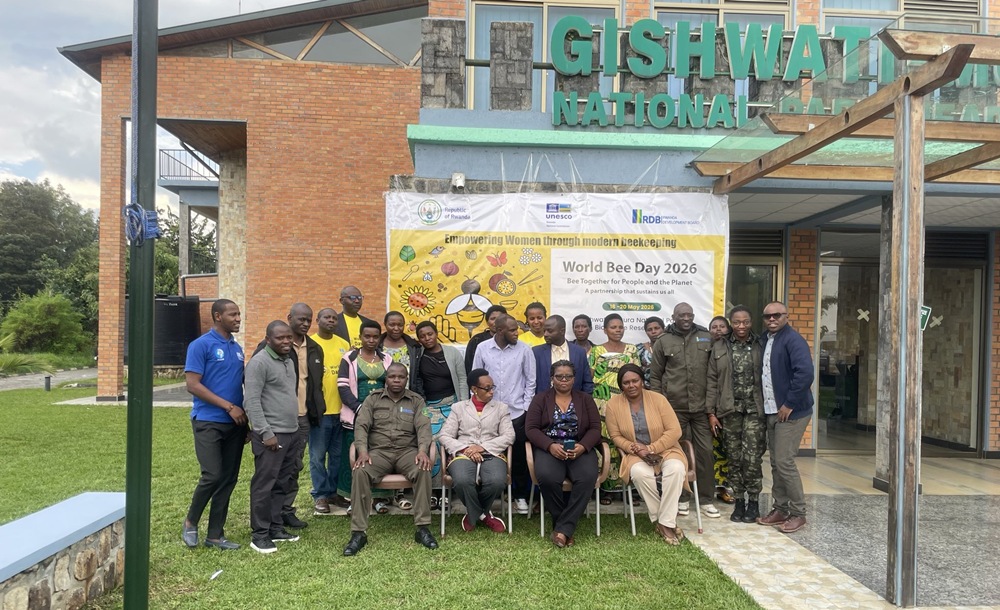
Organized by the Rwanda National Commission for UNESCO (CNRU) in partnership with UNESCO’s Man and the Biosphere (MAB) Programme, the Centre of Excellence for Biodiversity and Natural Resources Management, and Rutsiro District, the multi-day activities included site visits, awareness sessions, and assessments of sustainable beekeeping progress.
This marked a significant national observance at the UNESCO-designated site, known for its restored forests that support thriving wild bee populations and community-based honey production.
The events built on initiatives like the UNESCO-Guerlain “Women for Bees” programme, which has trained women in modern, sustainable beekeeping techniques, turning conservation into viable livelihoods.
Rutsiro District actively partnered in the celebrations, highlighting the biosphere reserve’s role in biodiversity and local economies.
Community and Development Initiatives
Rwanda Rural Rehabilitation Initiative (RWARRI):
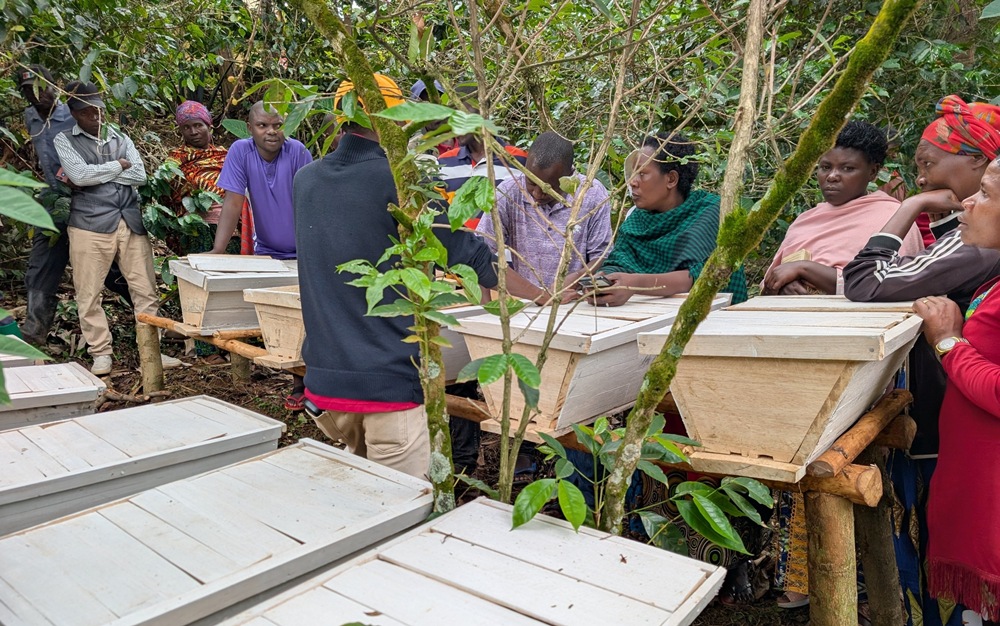
Held hands-on celebrations with farmer groups in Kivumu Sector, Rutsiro District. Activities included installing beehive sites, distributing beekeeping equipment, and training on honey harvesting and processing to boost ecosystem restoration and community resilience.
Ministry of Agriculture and Animal Resources (MINAGRI):
Issued a strong statement recognizing bees’ essential role in food security, biodiversity, and resilient agrifood systems.
Rwanda Green Fund (FONERWA):
Shared educational messages underscoring that bees pollinate over 75% of the world’s crops.
Other participants included:
World Food Programme (WFP) Rwanda, spotlighting beekeeping projects in Nyabihu District that create jobs and income for women and youth.
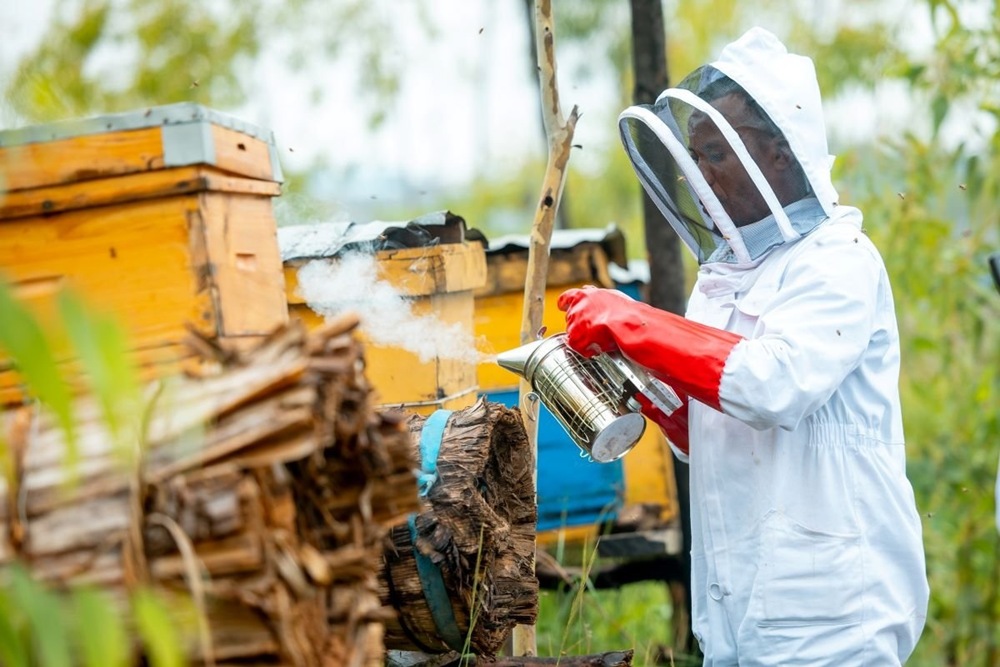
UNHCR Rwanda and partners like Alight, noting beekeeping initiatives near Nyabiheke Refugee Camp that foster income and social cohesion between refugees and host communities.
IUCN Rwanda and others promoting broader conservation efforts.
Broader Impact in Rwanda
Beekeeping supports thousands of Rwandans, particularly in rural areas, by providing sustainable income while aiding forest restoration and pollination services vital for agriculture.
Officials and partners used the day to call for continued investment in pollinator-friendly practices amid challenges like habitat loss and climate change.
As one UNESCO representative noted during related events, protecting bees means investing in a healthier future for people and the planet. Rwanda’s active participation signals growing national commitment to biodiversity and green growth.
Local media and district reports suggest additional grassroots activities took place, reinforcing the message that every Rwandan can contribute by planting pollinator-friendly plants and supporting sustainable farming.
About The Author


SUBSCRIBE TO OUR NEWSLETTER