From Irrigation to Income: Kirehe Farmers Inspired by Gatsibo Success to Strengthen Sustainable Agriculture
Knowledge-sharing visit organized under SAIP II exposes farmers and Water User Associations to innovative approaches in irrigation management, income generation, and community ownership.
Farmers, cooperative leaders and representatives of Water User Associations from Kirehe district have increased confidence in a knowledge-sharing study to the Kanyonyomba Irrigation Scheme in Gatsibo district, saying the experience provided practical solutions that could significantly improve irrigation management, agricultural productivity and cooperation among farmers in their communities.
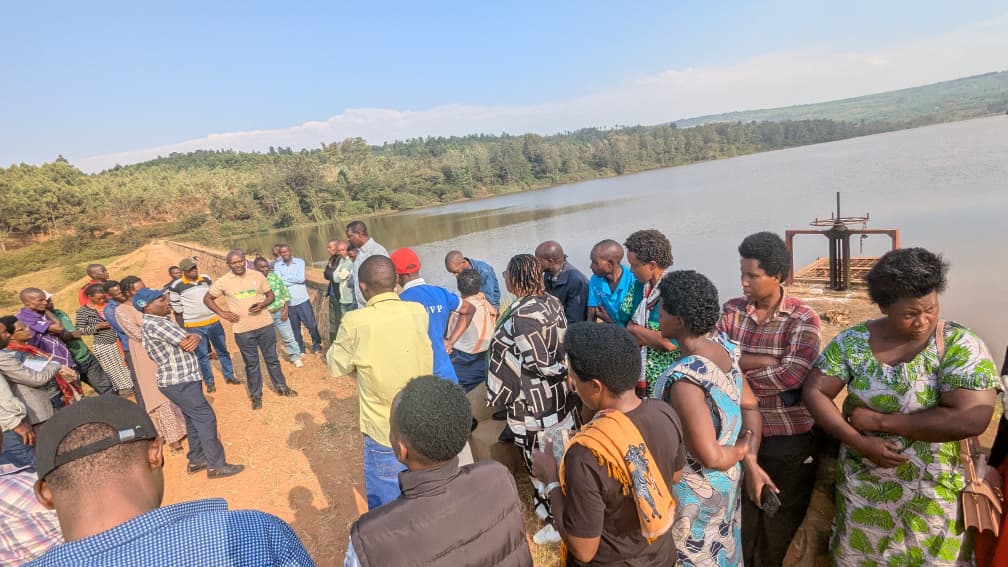
This activity organized on June 24, 2026, by RAB through the Second Sustainable Agricultural Intensification and Food Security Project (SAIP II) in collaboration with the Eastern Province and the districts of Gatsibo and Kirehe, aimed to promote knowledge exchange and strengthen sustainable irrigation practices among farmers and irrigation stakeholders.
Participants said the visit helped them understand that irrigation infrastructure can serve purposes beyond supplying water for crop production. During the tour, they learned how the Kanyonyomba Water Users Association has turned its irrigation assets into income-generating opportunities through fish farming, livestock rearing, banana cultivation and beekeeping. Revenue generated from these activities is used to maintain irrigation infrastructure, pay workers and reduce service fees for association members.

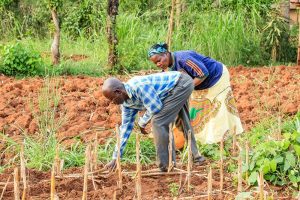
Among the participants was Nyirakamanzi Claudine, a member of COACERANYA Cooperative in Nyamugali Cell, Kirehe District, who explained how irrigation transformed her family’s livelihood after relocating to Eastern Rwanda in 2009 from Gishwati in Rubavu District.
“We immediately started farming, and the harvest helped us pay school fees for our children. Above all, I thank the President of the Republic for helping us get dams in Eastern Rwanda because they have helped protect our families from hunger.”
After gaining access to irrigation water through the dam constructed in her area, Nyirakamanzi expanded her farming activities and experienced a significant increase in production. Reflecting on the study tour, she said the experience introduced her to new nursery management techniques and farming practices that she intends to adopt at home.
“This study tour is going to bring many changes to my family. I will share the knowledge I gained with my husband because he gave me permission to attend on his behalf. I saw different nursery practices compared to those we normally use. There were materials used for raising seedlings that I am now planning to look for so that I can also apply them.”
She added that the tour also provided valuable knowledge on efficient water use and conservation practices that can increase agricultural productivity while protecting the environment.

Another participant inspired by the visit was Biziyaremye Jean Marie Vianney, President of the Water Users Association in the Nyamugali Irrigation Scheme. He said the study tour offered farmers a unique opportunity to learn directly from colleagues who have successfully addressed challenges related to irrigation management and collective action.
“We have seen how working together and investing in complementary income-generating activities can help Water User Associations maintain their dams and irrigation infrastructure. These lessons will help us strengthen our own organizations, improve water management, and increase agricultural productivity.”

Jules Mporana, Water Users Organization Specialist under RAB through SAIP II, explained that the study tour was designed to allow farmers to learn from successful experiences and practical solutions implemented in other irrigation schemes across the country.
He emphasized that irrigation should not be viewed solely as a means of delivering water to crops, but as a system that requires effective governance, sound financial management, community ownership and long-term sustainability.
“Irrigation is not only about water. It is also about governance, financial management, ownership and sustainability. Farmers must understand how to manage infrastructure and how to create additional sources of income that can support maintenance and future investments.”
Mporana further noted that many irrigation schemes across Rwanda have been established through substantial investments from the Government and development partners, making community ownership critical for ensuring their sustainability for future generations.
“When communities learn how to generate income from the assets they already have, they become less dependent on external support. That is the kind of ownership we want to promote through these learning exchanges.”
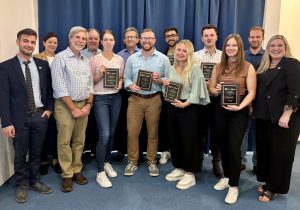
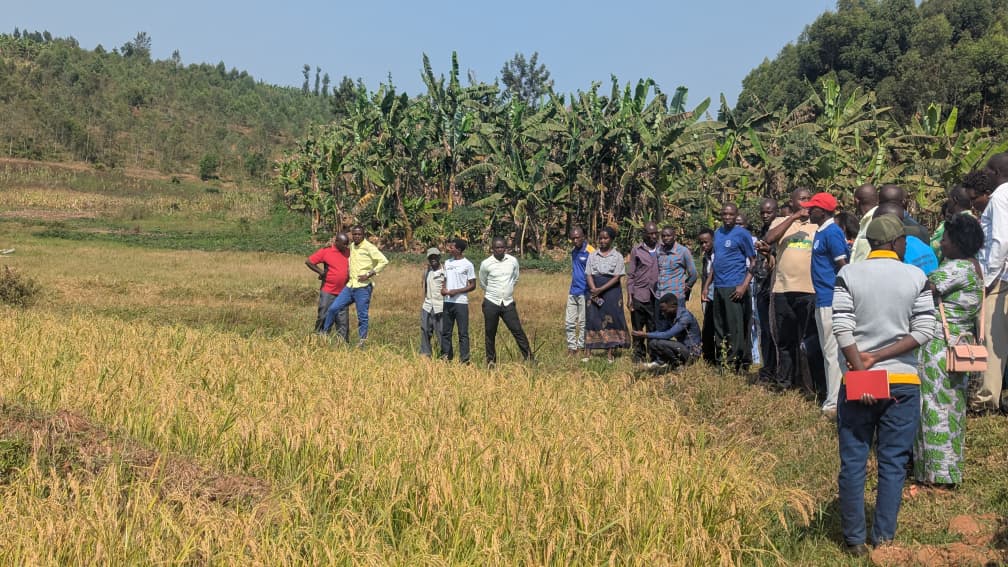
The knowledge sharing brought together Water User Associations and cooperatives from the Kinoni I, Kinoni II and Nyamugali irrigation schemes. Participants exchanged experiences on water management, increasing service fees, improving transparency and accountability, strengthening collaboration with local leaders and maintaining irrigation infrastructure through sustainable financing mechanisms.
Farmers from Kirehe District believe that the lessons learned from the Kanyonyomba Irrigation Scheme will help them identify new ways of creating value from existing infrastructure, strengthen their organizations and improve agricultural productivity. They say the knowledge gained will play a vital role in improving livelihoods and promoting sustainable agriculture through effective irrigation management and community ownership.
About The Author


SUBSCRIBE TO OUR NEWSLETTER