Gisagara: Families Transform Food Production into Healthier Lives
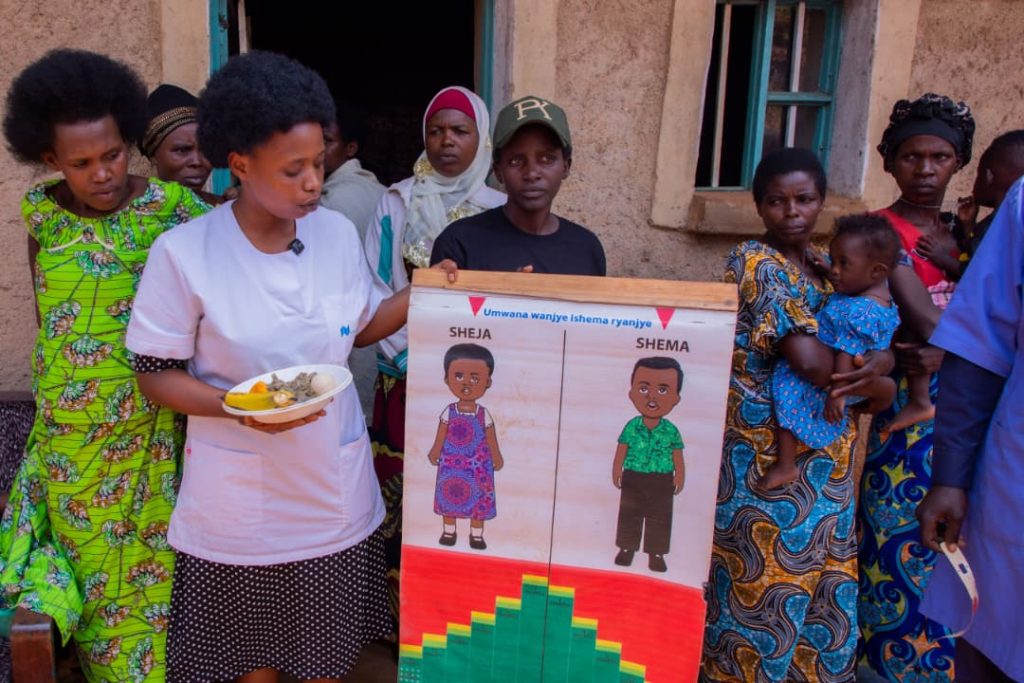
Families in Gisagara District are transforming food production into healthier lives with support from the Second Sustainable Agricultural Intensification and Food Security Project (SAIP II), implemented by the Rwanda Agriculture and Animal Resources Development Board (RAB) through its Single Project Implementation Unit (SPIU), which has equipped households with chickens, mushrooms, vegetables and nutrient-rich crops while strengthening their knowledge of balanced diets to fight malnutrition and improve livelihoods.
For UWIZERA Divine, a nutrition officer in Kansi Sector, the progress being made in the fight against malnutrition and stunting reflects the value of combining nutrition education with household food production. She says families have not only received agricultural and livestock support but have also gained practical knowledge on how to turn available foods into balanced meals.
“We greatly appreciate the contribution of our partner in the fight against malnutrition and stunting. Many families have received chickens and are now able to obtain eggs, while also understanding how to prepare balanced meals containing foods that build the body, provide energy and protect against diseases.”
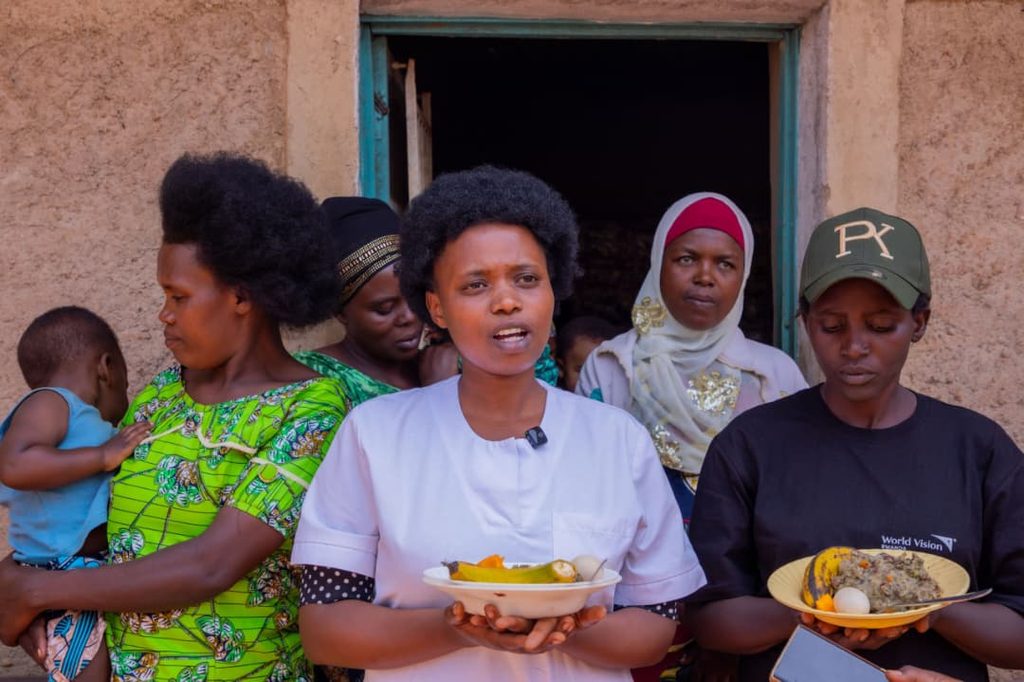
UWIZERA Divine, a nutrition officer in Kansi Sector
UWIZERA says hygiene has been given equal attention, with parents encouraged to observe proper hygiene when handling and preparing food, including washing hands with clean water and soap.
She says the combination of improved access to animal products and nutrition education has helped tackle stunting, which had previously affected some children in the community. Families that once struggled to provide diverse and nutritious meals are increasingly able to produce some of the foods, they need at home.
Regular monitoring of children’s weight and height, she adds, shows encouraging progress, with children steadily gaining weight and improving their growth.
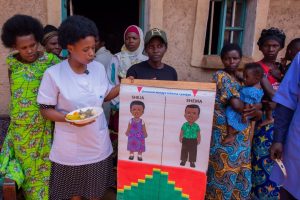
For UWIYUBASHYE Claudine, the most important change began with learning how to prepare a balanced diet. Before attending lessons at a village kitchen, she says she did not know how to properly combine different foods to meet her family’s nutritional needs.
The knowledge became particularly important when her own child was experiencing malnutrition and struggling to gain weight.
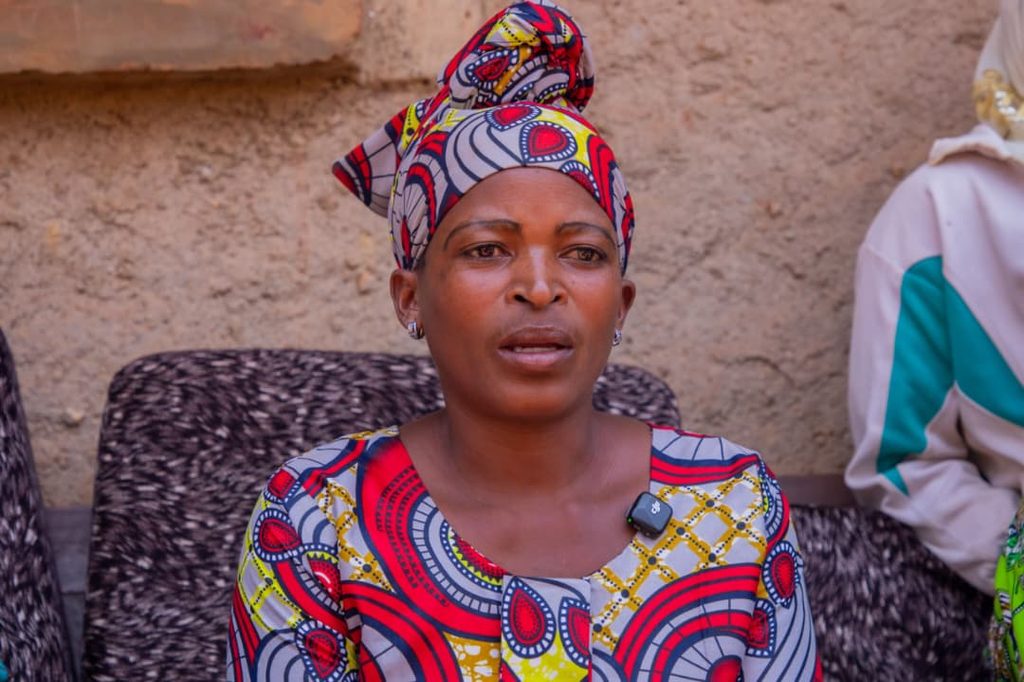
“Today, everyone in our household knows how to prepare a balanced diet, starting with proper hygiene. I had a child who was suffering from malnutrition and was barely gaining weight. In an entire month, the child would gain less than a few grams, but after we learned how to prepare proper meals, the child started gaining weight steadily. Today, the child has started the first year of nursery school.”
UWIYUBASHYE says the lessons have changed the way her family approaches food, enabling them to make better use of what they produce and ensuring that children receive meals with the nutrients needed for healthy growth.
At district level, RUTABURINGOGA Jerome, Mayor of Gisagara district, says agriculture and livestock remain central to the livelihoods of families in the district, making food production an important part of efforts to improve nutrition.
He commends the collaboration between the district, the Rwanda Agriculture and Animal Resources Development Board (RAB) and the project supporting these nutrition-sensitive interventions.
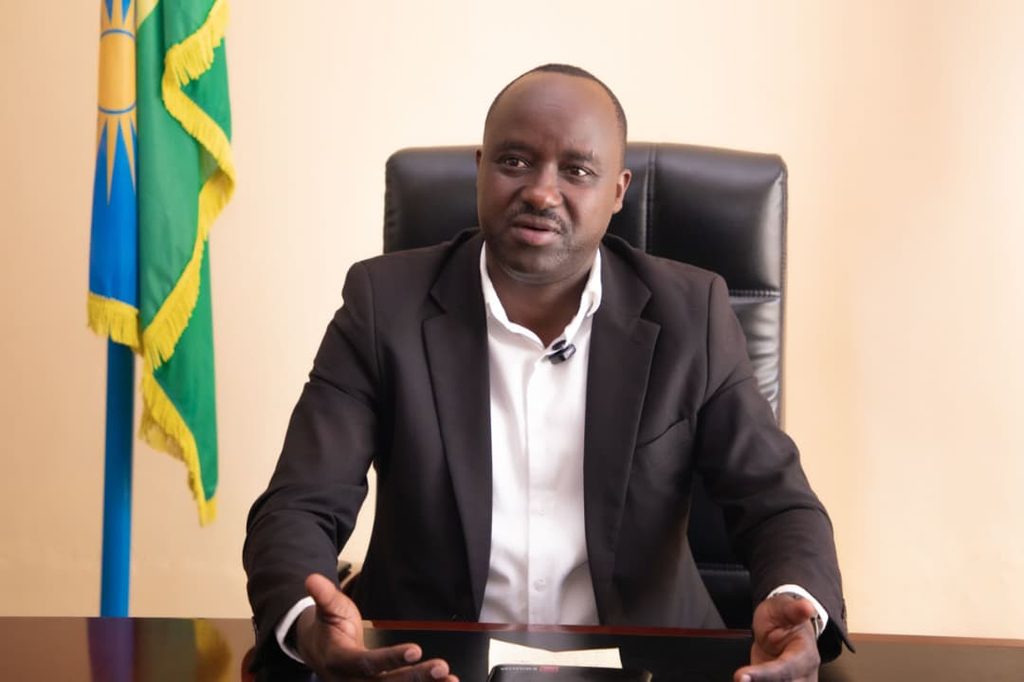
“Agriculture and livestock are the main livelihoods for the majority of families in our district. This support has helped us significantly, and we highly appreciate our partnership with RAB-SPIU because it has strengthened our efforts to help families improve their nutrition.”
The mayor says the interventions have also contributed to reducing household economic pressures and conflicts by helping families improve food availability while creating opportunities to generate income.
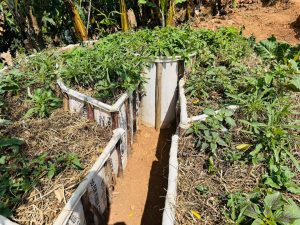
In Gisagara, families have benefited from different nutrition-sensitive activities, including poultry keeping, mushroom production, kitchen gardening and improved crop varieties. Chickens provide eggs for household consumption and manure that can be used to improve soil fertility, while vegetables and nutrient-rich crops contribute to more diverse meals.
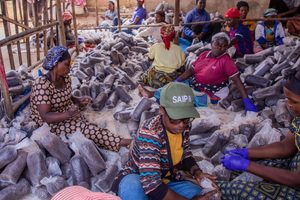
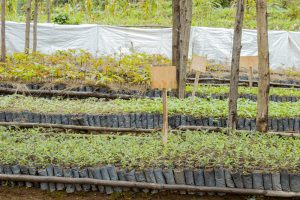
Mushroom production has emerged as another opportunity, providing families with a nutritious food while opening a potential source of household income.
According to Imanimurinde Evode, Nutrition Specialist at the project, the nutrition approach is deliberately built around a variety of foods rather than relying on a single source of nutrients. Mushrooms, chickens, sweet potatoes and vegetables are promoted together so that families can access different nutrients while strengthening their ability to produce food at household level.
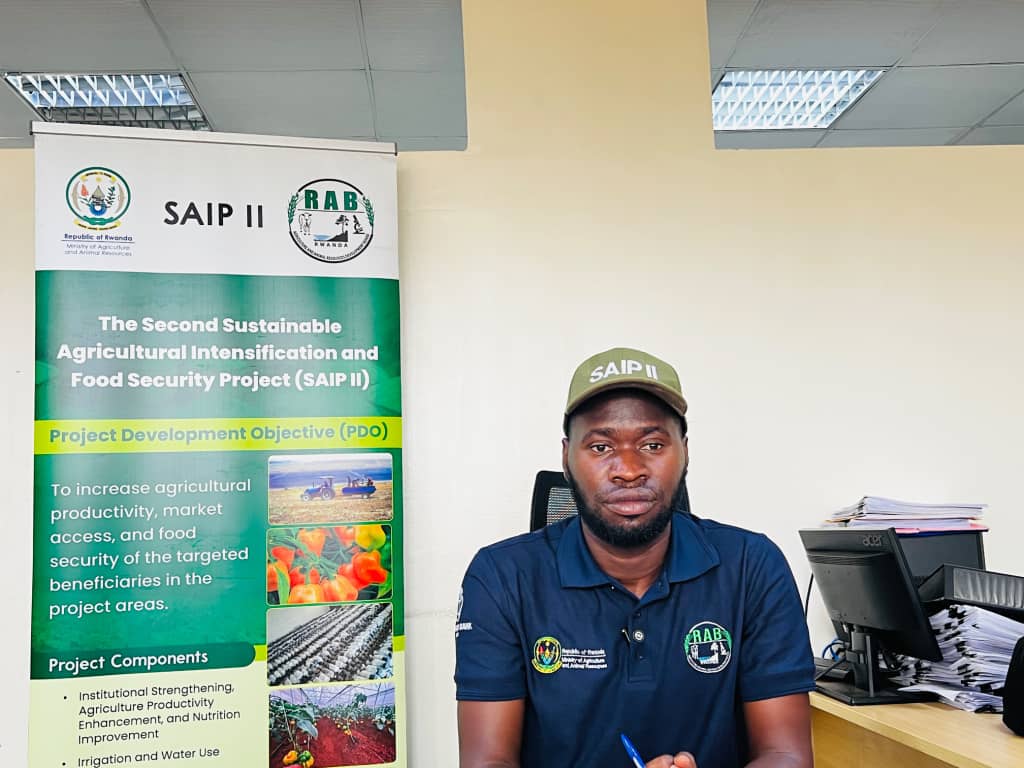
“Mushrooms, chickens and sweet potatoes are among the important interventions we are promoting to improve household nutrition. Chickens provide eggs and manure, sweet potatoes provide essential nutrients, while mushrooms contribute to fighting malnutrition and can also become a source of income for families that produce and sell them.”
Evode explains that the intervention goes beyond distributing agricultural inputs. Beneficiaries are trained to develop skills that can allow them to continue producing nutritious foods and generating income after external support ends.
Families are encouraged to keep poultry, grow nutrient-rich crops, establish kitchen gardens and develop mushroom production, creating a household food system that connects nutrition with livelihoods.
“Our goal is to help families become capable of producing and accessing nutritious food on their own. When a family keeps chickens, grows sweet potatoes and vegetables, and can also produce mushrooms, it has the means to prepare a balanced diet while generating income from surplus production.”
The model links food production directly to household nutrition. Families can consume part of what they produce, sell the surplus to earn income and reinvest in production, creating a cycle that can strengthen both food security and household livelihoods.
The nutrition intervention also promotes the production of diverse vegetables and fruits, including nutrient-rich and biofortified foods such as iron-rich beans and orange-fleshed sweet potatoes, alongside animal-source foods produced through household poultry farming.
Beyond the provision of food and agricultural inputs, nutrition education remains a central part of the intervention. Parents are taught how to combine different foods, prepare balanced meals and maintain hygiene, ensuring that increased food availability translates into better nutrition for children.
The experience in Gisagara demonstrates that fighting malnutrition requires more than simply increasing the amount of food available. It also depends on ensuring that families have the knowledge, skills and means to produce diverse foods and turn them into balanced diets.
As these practices take root at household level, families are increasingly transforming their farms and small livestock activities into tools for protecting children’s health, improving food security and strengthening livelihoods.
The Second Sustainable Agricultural Intensification and Food Security Project (SAIP II) is implemented by the Rwanda Agriculture and Animal Resources Development Board (RAB) through its Single Project Implementation Unit (SPIU) and is scheduled to close in December 2026. SAIP, I operated in nine districts, while SAIP II expanded coverage to 20 districts nationwide.
About The Author


SUBSCRIBE TO OUR NEWSLETTER