One Health Investment Seen as Key to Tackling Rising Global Health Threats
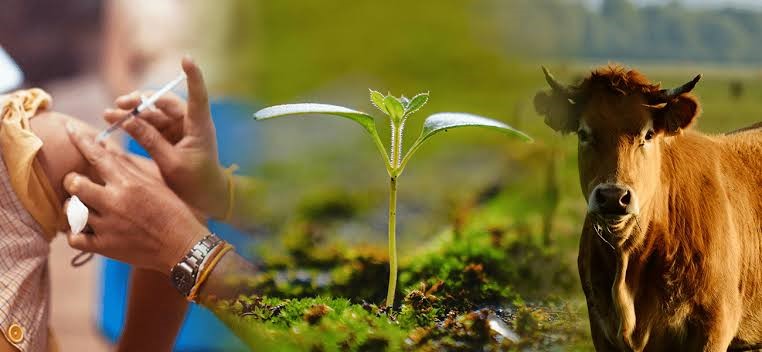
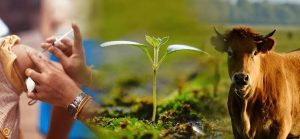
The rising economic and health costs of zoonotic diseases, antimicrobial resistance and other infectious disease threats are strengthening the case for greater investment in One Health, an approach that links human, animal, plant and ecosystem health.
The economic costs associated with zoonotic and other infectious diseases already run into billions of US dollars each year. Meanwhile, World Bank estimates indicate that antimicrobial resistance could reduce global gross domestic product by around 3.8 percent by 2050.
Against this backdrop, countries are being urged to invest in prevention and preparedness strategies that address health threats across sectors rather than treating them in isolation.
A new brief by the Food and Agriculture Organization of the United Nations (FAO) Investment Centre, developed in collaboration with the World Health Organization (WHO) and the World Organisation for Animal Health (WOAH), examines the long-term economic and financial value of investing in One Health.
The report, ‘Financial and Economic Returns to Investing in One Health: Evidence and Future Directions’, explores how integrated investments can help reduce disease burdens, healthcare costs, environmental contamination and the spread of antimicrobial resistance.
One Health recognizes that the health of people, animals, plants and ecosystems is interconnected. The approach therefore promotes collaboration between sectors and disciplines to improve prevention and response while making investments more effective.
According to the brief, coordinated investments can also help reduce unintended consequences and strengthen countries’ resilience to future health and environmental threats.
Why investment matters
The report is aimed at policymakers, One Health practitioners and financing institutions. It examines existing evidence on the returns from One Health investments while identifying barriers, opportunities and gaps in current knowledge.
It also highlights the need for appropriate institutional and financing mechanisms to scale up sustainable and cost-effective interventions, from the community level to the global level.
Thanawat Tiensin, FAO Assistant Director-General, Director of FAO’s Animal Production and Health Division and Chief Veterinarian, said many of the challenges facing countries today cannot be addressed separately.
“Today’s most pressing challenges, climate change, biodiversity loss, pollution, food insecurity and socioeconomic vulnerabilities, are deeply interconnected,” Tiensin said, adding that they “demand integrated approaches like One Health, which can improve prevention and mitigation.”
Animal health, in particular, can provide an important starting point for preventing health threats before they spread across species.
Baba Soumare, WOAH Deputy Director General, said stronger investment in veterinary systems, surveillance and cross-sectoral collaboration can help countries identify and respond to threats at their source.
“Investing in One Health means investing in stronger veterinary services, better surveillance and greater collaboration across sectors to detect, prevent and respond to health threats at their source,” Soumare said.
He added that such investments can protect not only animals, but also people, economies and ecosystems.
The brief notes that investments in animal health, food systems, environmental protection and public health can reinforce each other, potentially generating greater benefits than interventions carried out independently within individual sectors.
Evidence needed to attract more investment
Despite growing recognition of the benefits of One Health, investment remains limited, according to FAO.
Mohamed Manssouri, Assistant Director-General and Director of the FAO Investment Centre, said stronger evidence is needed to demonstrate the economic value of the approach and encourage greater financing.
“While the wider benefits of investing in One Health are recognized globally, investments in One Health initiatives are still limited,” Manssouri said.
He called for more quantitative evidence on the added value of One Health, alongside greater support for governments to translate their One Health priorities into concrete investment plans.
Such evidence, he said, is important for maintaining political commitment while increasing investor confidence and engagement.
Dr Jeremy Farrar, WHO Assistant Director-General, also stressed the importance of demonstrating the impact and economic returns of One Health interventions.
“As Chair of the Quadripartite, WHO will work with partners to strengthen the evidence on the impact and return on investment of One Health interventions,” Farrar said.
He said this would help build a stronger scientific and economic case for One Health and turn political commitment into practical action.
About The Author


SUBSCRIBE TO OUR NEWSLETTER