Industry Partnerships Emerge as Key Priority in TVET Quality Management Pilot Involving Don Bosco and Other Technical Institutions
KIGALI, November 20, 2026 – Stronger industry partnerships, improved quality assurance systems and better student career support have emerged as key recommendations from a Quality Management System (QMS) pilot involving seven technical and vocational education and training (TVET) institutions in Rwanda.
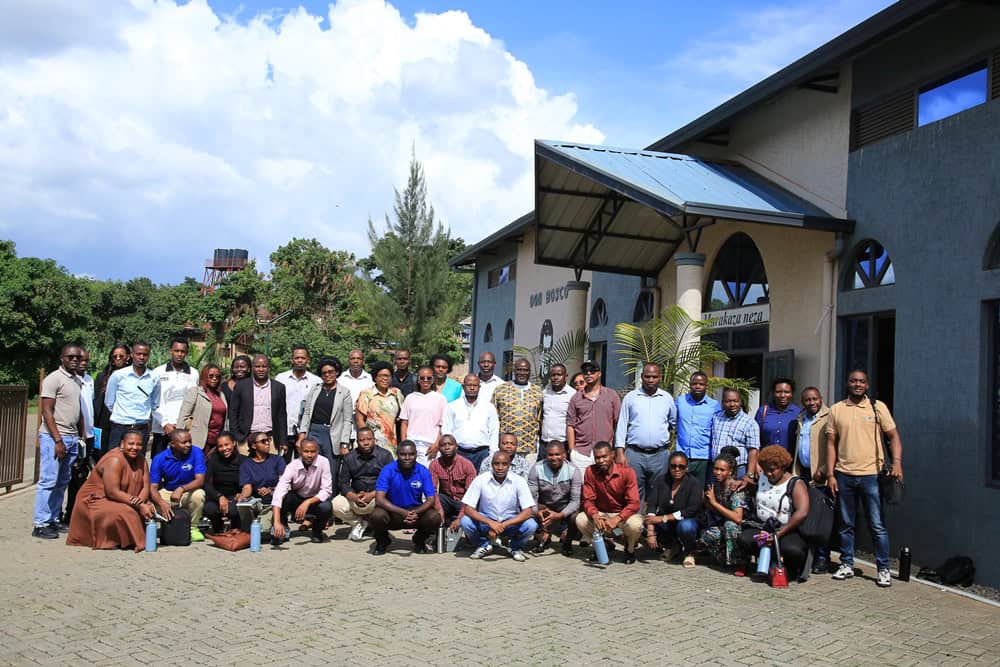
The recommendations were discussed during a roundtable organised by the Salesians Don Bosco at Don Bosco Green Park in Kigali on November 20, 2026.
The meeting which was organized with the Support and guidance from Don Bosco Tech Africa brought together stakeholders to review experiences from the pilot, share lessons and identify areas for strengthening quality management across participating institutions.
The pilot involved seven TVETs, including four technical institutions outside the Don Bosco network, providing an opportunity to assess the implementation of quality management practices across different institutional settings.
Speaking to TOP AFRICA NEWS, QMS facilitator Rene David Nsabimana said the discussion provided an opportunity to assess implementation experiences, understand how different stakeholders perceived the quality management system and gather recommendations for improvement.
Nsabimana explained that he joined the process after the development of the QMS manual, supporting the training of QMS champions and process owners before implementation began.
Following the training, the participating institutions entered the pilot implementation phase. Evaluations and internal audits were subsequently conducted to assess the application of quality management procedures.
The audits identified gaps, particularly in Standard Operating Procedures (SOPs), leading to the development of new procedures and updates to existing school documentation.
Nsabimana said feedback gathered during the roundtable, including contributions from focus group discussions, would help the Don Bosco QMS Committee improve the system’s documentation and guide the next phase of implementation.
Industry collaboration identified as a major priority
One of the strongest recommendations emerging from the discussions was the need for TVET institutions to strengthen partnerships with the private sector.
Nsabimana said collaboration between training institutions and industries is essential to ensure students gain access to industrial attachments and training that reflects workplace standards.
The discussions highlighted the need for TVET schools to establish clear procedures for approaching companies and developing partnerships that can create practical learning opportunities for students.
He noted that stronger public-private partnerships would help institutions connect their training programmes with industry requirements, enabling students to acquire relevant skills and improve their performance in the labour market.
The facilitator described industry collaboration as an urgent priority for TVET institutions, particularly in ensuring that practical training is aligned with the expectations of employers.
Job Service Office highlighted as a model for student support
The roundtable also highlighted the contribution of the Job Service Office at Don Bosco, which Nsabimana described as an added value that other TVET institutions could learn from.
The office supports students through career guidance, counselling and assistance with their integration into employment.
According to Nsabimana, these services also contribute to gender inclusion and the mainstreaming of other issues affecting students.
He encouraged other TVET institutions to learn from this experience, noting the importance of having structures that support students beyond technical training and help prepare them for their professional journeys.
Private TVET institutions encouraged to strengthen quality management
The interview also pointed to differences in awareness and implementation of quality management systems between public and private TVET institutions in Rwanda.
Nsabimana said public schools were generally more familiar with quality management requirements, noting that the National Examination and School Inspection Authority (NESA) and the Ministry of Education provide training to public school personnel. He also pointed to NESA’s annual quality audits as part of the existing quality assurance process.
However, he observed that some private TVET institutions were still lagging behind in awareness and adoption of quality management systems.
Against this background, he described the Don Bosco initiative as a useful example that could inspire other private TVET institutions to strengthen their internal quality assurance practices.
The roundtable’s recommendations are expected to inform the work of the Don Bosco QMS Committee, particularly in improving documentation, strengthening industry engagement and preparing for the next phase of implementation.
The pilot experience highlights the importance of connecting institutional quality management with industry participation, practical learning opportunities and stronger student support systems.
For TVET institutions, these elements are central to ensuring that training responds to labour-market needs and equips graduates with skills relevant to the world of work.
About The Author


SUBSCRIBE TO OUR NEWSLETTER