Over 16,000 Women in Ngoma District Receive Training on Mobile Financial Services
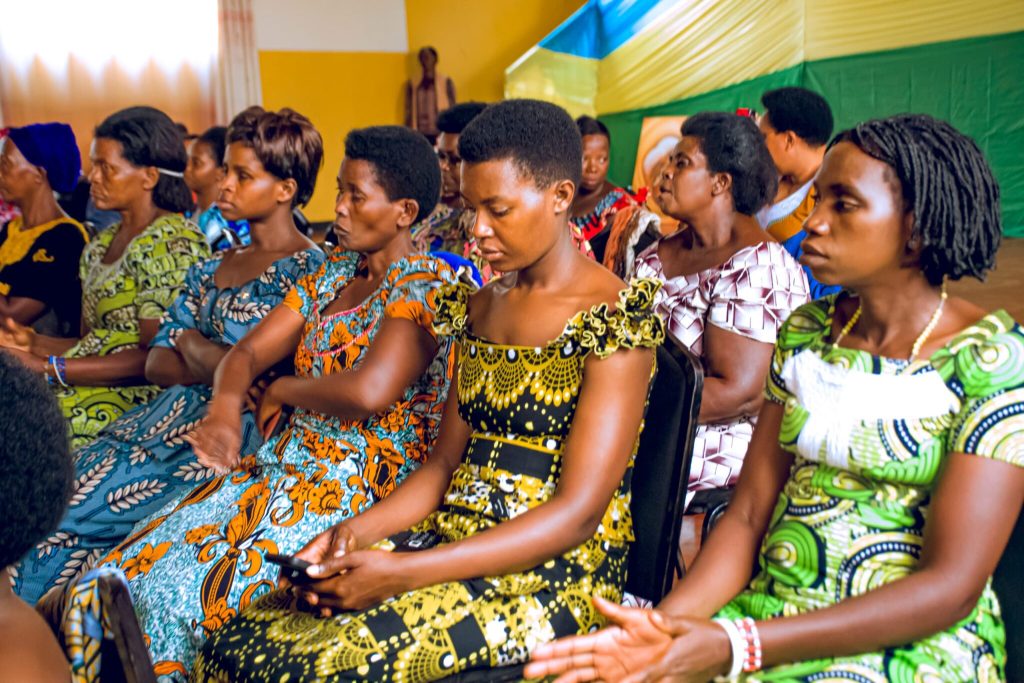
A total of 16,385 women in Ngoma District have received training on how to use financial services via mobile phones. However, some participants have noted ongoing difficulties in accessing smartphones.
-
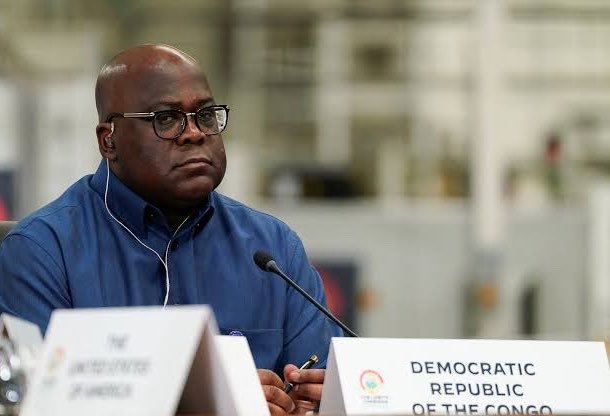
Belgian Police Probe Money Laundering Ties to Tshisekedi Family
BRUSSELS — Belgian federal police carried out a series of coordinated searches on Wednesday, October 14, 2026. They targeted residences linked to the family of Democratic Republic of Congo President Félix Tshisekedi. The operations occurred in Brussels and in several communes across Flemish Brabant and Walloon Brabant as part of an ongoing investigation into suspected…
-

Court Delays DNA and Access Hearing in Vestine-Ouedraogo Divorce
Kigali court updates in Vestine-Ouedraogo Divorce case Kigali — The Kicukiro Primary Court postponed a case filed by Idrissa Jean Luc Ouedraogo against his wife, singer Ishimwe Vestine. Additionally, after her lawyer failed to upload the child’s birth certificate into the court’s electronic system. The court fined Vestine’s side 200,000 Rwandan Francs, determining that the…
-
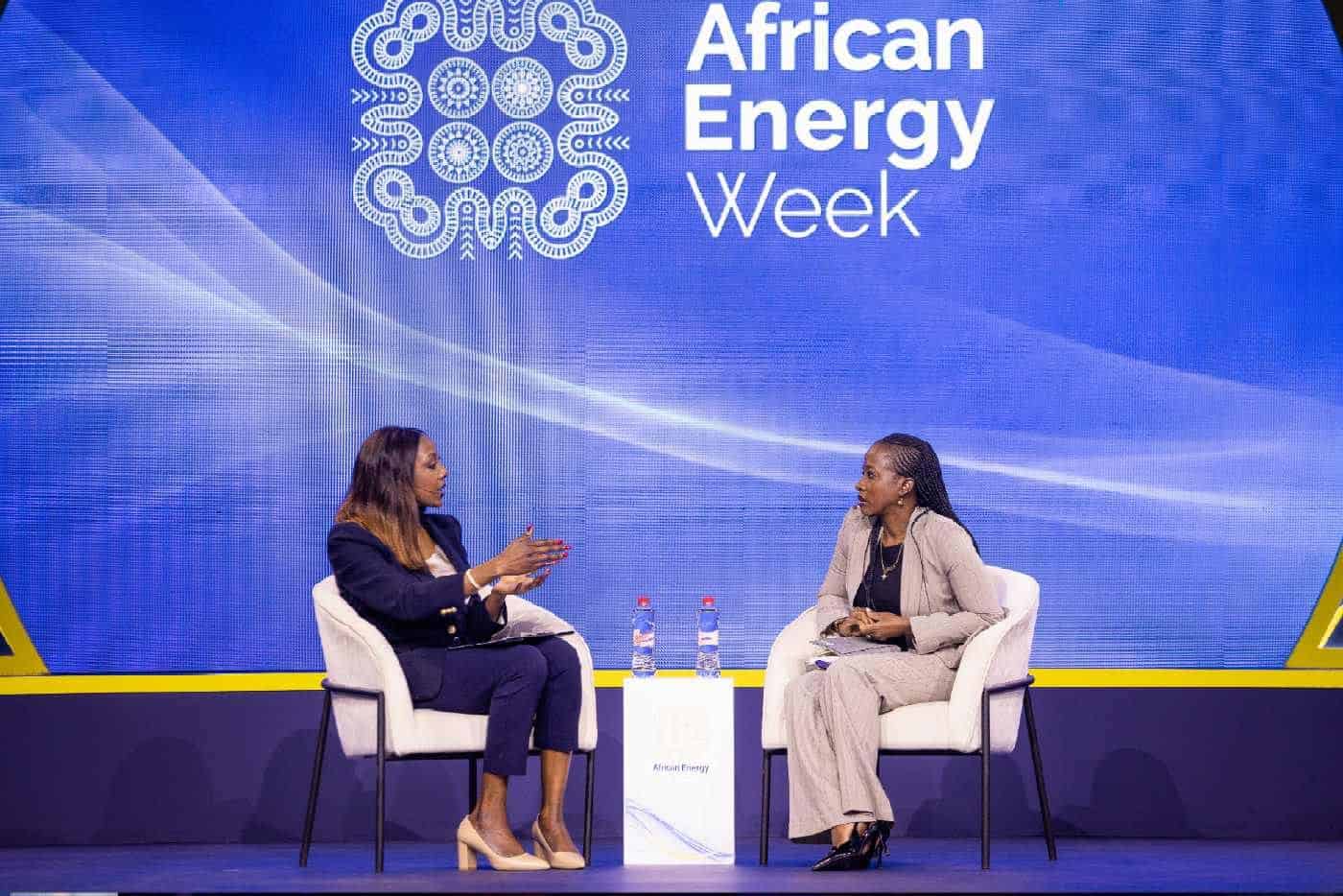
Uganda Pursues Ultimate First Oil by 2030, Refinery Complete
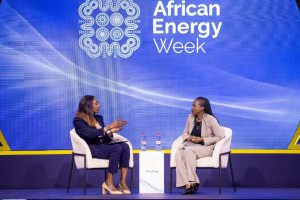
Uganda oil is on track to begin production by June 2027, with exports via the East African Crude Oil Pipeline. Kristina Kasebayo, Head of Compliance at the Uganda National Oil Company, spoke at African Energy Week 2026 in Cape Town. She reaffirmed the timeline and outlined plans for an FID on the domestic refinery by…
The program was organized during a seven-month campaign by the Central Bank of Rwanda (BNR) in Ngoma District. The campaign aimed to promote the use of mobile financial services among women, who still lag behind men in adopting these technologies.
A 2020 study revealed that, despite the widespread use of mobile money payment services in Rwanda, 45% of women reported they did not know about the services or how to access them.
Like women in Ngoma District, many are interested in using technology for financial transactions but face challenges in obtaining modern smartphones. Many are calling for reduced smartphone prices to improve access.
This issue is reflected in the Household Income Survey (EICV7), which shows that only 25.1% of households in Ngoma own modern mobile phones. Additionally, 8% of households have yet to understand how to utilize technology for financial services.
Despite these obstacles, Ngoma District was the top performer in the BNR campaign. The district aimed to train 7,500 women but successfully exceeded this goal by training 16,385 women and enrolling 4,775 new members in Momo, Rwanda’s dominant mobile money platform.
Today, outstanding cells that contributed significantly to this effort were recognized. Notably, Nyaruvumu Education Cell trained 1,370 women, and Bugera Cell trained 1,365 women. However, representatives admitted that women still face challenges in ICT (Information and Communication Technology).
Kayitaramira Claudine from Bugera Cell, Remera Sector, shared: “The training increased my knowledge in savings. I now understand that saving money with Momo helps me because I used to save at home and often waste it.”
Esther from Nyaruvumu Cell in Rukira Sector added: “They told us our reports should match the photos we took. To make the photos look good, I needed a phone, but I didn’t have one. I had to borrow a phone from someone else. Women still face issues with internet-enabled phones because few people own them.”
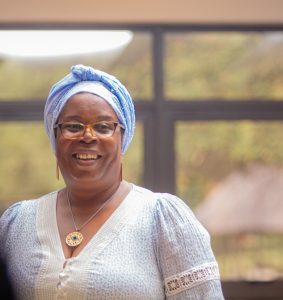
Hakuziyaremye Soraya, Governor of the Central Bank of Rwanda, expressed gratitude to Ngoma District for its efforts and achievements, noting high expectations for this program.
She stated: “As we extend this initiative to all Districts, our goal is to ensure that no woman is left behind — whether she knows how to access financial services or not. Economic development cannot be achieved if segments of the population are excluded from these opportunities.”
Regarding the challenges, she explained: “The main obstacle is not just lacking a phone; it’s the lack of awareness about the benefits of mobile money. If women have heard of it but do not own a phone, that’s another barrier.
The Ministry of Information and Communication Technology has a plan to distribute ICT-enabled phones to many Rwandans in rural areas and to promote affordable device options.”
She reaffirmed that the campaign will continue, aiming to include more women and youth, particularly those lacking adequate access to financial services.
Hakuziyaremye concluded by urging women to continue educating their peers, save money diligently, and support those who have created jobs to help communities prosper.
Overall, the campaign was implemented in the districts of Nyaruguru, Nyamasheke, Rulindo, and Ngoma. A total of 36,563 people received training, and 10,698 individuals either enrolled in Momo for the first time or had dormant accounts reactivated.
About The Author


SUBSCRIBE TO OUR NEWSLETTER

![Two women smile as one awards a crystal trophy at a Commonwealth Youth Programme event, with a blue backdrop behind them.”]},{](https://www.topafricanews.com/wp-content/uploads/2026/06/unnamed-5-300x200.png)