Rwanda Strengthens Its Fight Against HIV as Patients Highlight Life-Changing Support

Rwanda continues to stand out among African countries making significant strides in the fight against HIV, both in reducing new infections and in improving the quality of life for people living with the virus. These achievements were highlighted as the world marked World AIDS Day on December 1, an annual event established by the United Nations to raise awareness and encourage global solidarity in ending the epidemic.
This year’s global theme, “Let Communities Lead,” underscored the importance of empowering individuals and communities to take part in prevention efforts, testing, treatment, and combating stigma. In Rwanda, the Ministry of Health and partner institutions say the progress registered so far is the result of strong community engagement, expanded access to healthcare services, and sustained government investment in HIV programs.
People living with HIV say government services have transformed their lives
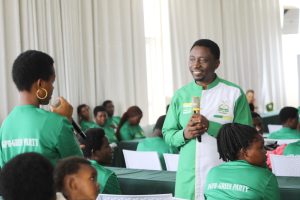
During national celebrations held in Kigali, several people living with HIV shared testimonies about how access to treatment and counseling services has helped them rebuild their lives and regain confidence. They also praised the government for creating an environment where the disease is no longer viewed as a source of shame.
Claudine Mukantabana, who has been on antiretroviral therapy for eight years, said her life has significantly improved since she began receiving treatment. “Today I live a completely normal life. The stigma has reduced, and we receive support in every way possible. The government brought testing services closer to us, ensured constant access to treatment, and provided continuous counseling. All this helped me regain strength and plan for my future,” she said.
Another patient, Jean Bosco Ndayishimiye, who spent years afraid of getting tested, said the services offered by health centers have been life-changing for him and his family. “We no longer experience shortages of medication as it used to happen years ago. We are regularly monitored, receive guidance on nutrition and prevention, and are encouraged to live positively. It has helped us understand that people with HIV also have dignity and a future,” he said.
Other community members encouraged the government to continue sensitization campaigns, emphasizing that frequent testing remains key to prevention and early treatment.
RBC says progress is strong, but continued effort is needed
Dr. Ikuzo Basile, a specialist in HIV programs at the Rwanda Biomedical Centre (RBC), said Rwanda is close to meeting the UNAIDS 95-95-95 global targets, which aim for:
95% of people living with HIV to know their status,
95% of those diagnosed to be on treatment,
95% of those on treatment to achieve viral suppression.
He noted that Rwanda’s efforts in awareness campaigns, access to treatment, and community involvement have played a major role in reducing new infections. “Rwanda has made tremendous progress in maintaining the health of people living with HIV and in reducing new infections. New initiatives now target youth, women, and survivors of the Genocide against the Tutsi groups considered at higher risk. We are also strengthening community-based testing and prevention programs,” Dr. Ikuzo said.
He added that the government is expanding the capacity of health centers, improving medical supply chains, and introducing digital systems to better track and support patients.
Current HIV statistics in Rwanda
According to RBC:
Approximately 234,000 Rwandans are living with HIV,
Around 2,500 people contract the virus each year,
An estimated 2,500 HIV-related deaths occur annually,
96% of people living with HIV know their status,
98% are on antiretroviral treatment,
99% of infants born to HIV-positive mothers are born HIV-free thanks to effective prevention-of-mother-to-child transmission services.
These figures demonstrate that Rwanda is among the African countries with the most comprehensive and effective HIV response programs, with high rates of testing and sustained access to treatment.
Calls for continued awareness, especially in rural areas
Despite the achievements, some citizens say more work is needed to address stigma, particularly in rural communities.
Marie Rose Nyirabagenzi, a resident of Gasabo District, said many people still hide their status due to fear of discrimination. “There are still many people living in secrecy because of shame or misinformation. We need more awareness campaigns, especially in rural areas, to help people understand that getting tested is not something to fear it is a step toward protecting their health,” she said.
Community health workers echoed similar concerns, saying they are committed to partnering with health institutions to provide accurate information and encourage regular testing.
Government vows to strengthen national HIV response
The Ministry of Health says it will continue prioritizing prevention, testing, and treatment programs. In collaboration with RBC, health centers, and international partners, the government aims to further reduce new infections and ultimately end AIDS as a public health threat by 2030 aligning with global ambitions.
About The Author


SUBSCRIBE TO OUR NEWSLETTER