Musanze Farmers Boost Vegetable Harvests with Climate-Smart Techniques
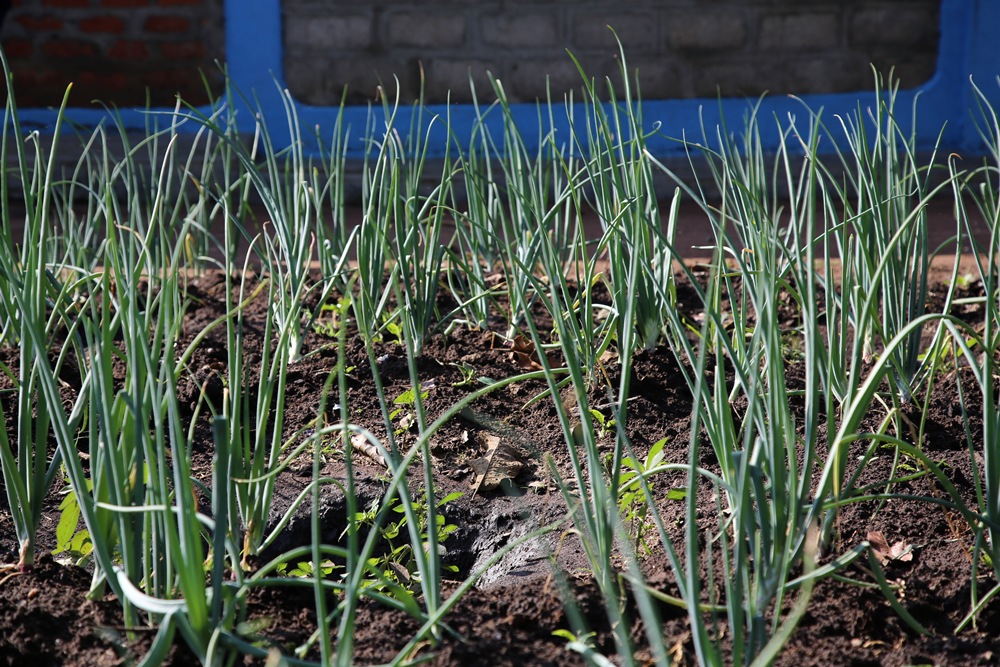
In the green foothills surrounding Volcanoes National Park, smallholder farmers in villages set for relocation due to park expansion are turning climate challenges into opportunities. Through climate-smart vegetable farming, they are now harvesting more produce from small plots in shorter cycles, a shift that is transforming their livelihoods.
At the heart of this change is the Volcanoes Community Resilience Project (VCRP), a government-led initiative supported by international partners. The project enhances community resilience while protecting the park’s fragile ecosystem by equipping households with the skills to grow vegetables efficiently, even in the face of unpredictable weather.
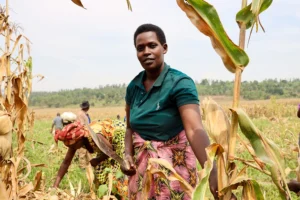
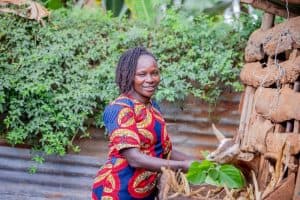
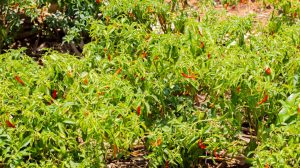
For years, many families in the Kinigi sector struggled to produce enough food due to poor soil and erratic rainfall. With training from the VCRP, farmers like Mukarwego Agnes report significant progress. “Before the project, I planted vegetables but harvested almost nothing,” Agnes explains. “Now, I harvest cabbages, carrots, spinach, and green peppers every week.”
Nearby, Maniraguha Alice shares that delayed rainfall previously ruined her vegetable crops. “With the new skills, I now harvest vegetables every 10 to 12 days,” she says. “This has completely changed our lives.” These frequent vegetable harvests provide families with nutritious food and an additional source of income.
Strengthening Resilience Through Vegetable Production
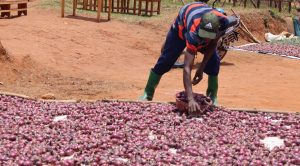
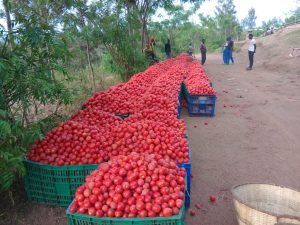
The VCRP operates in eight districts around the park and prioritizes vegetable farming due to the quick growth, minimal space requirements, and high nutritional and market value of crops like cabbage, carrots, tomatoes, spinach, beetroot, and onions.
Trained farmer Nizeyimana Théoneste notes that vegetables have become a more reliable crop. “We grow varieties that withstand heat and limited rainfall,” he states. “My vegetable production has increased significantly.”
Mukandayisenga Vestine adds that vegetable gardening has transformed her daily routine. “I can cultivate vegetables even in small beds,” she remarks. “I harvest almost every week.”
According to Uwingeri Prosper, Director of Volcanoes National Park, the VCRP connects conservation efforts with development initiatives. “Vegetable farming is a core livelihood activity,” he affirms. “Consistent vegetable production improves nutrition, increases income, and reduces pressure on protected areas.”
The project merges vegetable farming with agroforestry, flood-risk mitigation, smart green villages, eco-friendly livelihoods, and water harvesting systems that support vegetable gardens during dry seasons.
Vegetables have become essential to resilience in the Volcanoes region. They grow rapidly, ensure proper nutrition, and provide families with a weekly cash flow. The project supports farmers by providing improved vegetable seeds, pest and soil management training, demonstration gardens, organic manure, and water-efficient irrigation kits. For many households, vegetables are no longer just supplementary crops; they are the backbone of food security and income.
As VCRP activities expand, success stories from Kinigi illustrate that even small plots can yield regular vegetable harvests with the right skills. Vegetable production is helping families feed themselves, generate income, and prepare for relocation while contributing to the conservation of Volcanoes National Park.
Across Musanze, resilience flourishes through vibrant vegetable gardens, strengthened by knowledge, powered by innovation, and nourished by hope.
About The Author


SUBSCRIBE TO OUR NEWSLETTER