Africa’s Seed Systems Under Strain as Crop Varieties Disappear

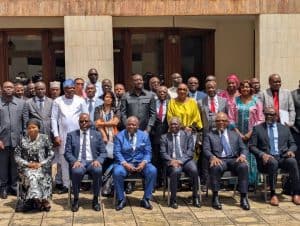
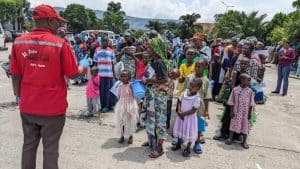
Participants of the regional launch for Africa of The Third Report on the State of the World’s Plant Genetic Resources for Food and Agriculture.
Africa is losing the plant diversity that underpins its food security, nutrition and climate resilience, according to a new assessment launched regionally in Nairobi.
The Third Report on the State of the World’s Plant Genetic Resources for Food and Agriculture, released by the Food and Agriculture Organization of the United Nations (FAO), finds that crops, traditional varieties and wild food plants are disappearing faster than they are being conserved. Experts warn that the trend threatens the continent’s ability to adapt agriculture to intensifying climate shocks.
“This report shows clearly that Africa is losing plant genetic diversity at a pace that threatens food security, nutrition and the overall resilience of agrifood systems,” said Chikelu Mba, Deputy Director of FAO’s Plant Production and Protection Division.
Across the continent, locally adapted crop varieties, known as landraces, are vanishing from farmers’ fields. These include staples such as sorghum, millet, yam and rice, which have been developed and preserved over generations to suit local soils and climates. In Sub-Saharan Africa, about 16 percent of more than 12,000 recorded traditional crop varieties across 19 countries are now considered threatened, narrowing farmers’ options as droughts and heat intensify.
The report also highlights sharp declines in wild food plants that provide essential nutrients and act as safety nets during food shortages. Species such as baobab, shea and marula are increasingly under pressure from habitat loss, land-use change and climate stress. More than 70 percent of assessed wild food plant diversity in Africa is threatened, double the global average.
Eliane Ubalijoro, Chief Executive Officer of the Center for International Forestry Research and World Agroforestry, said safeguarding plant diversity is critical as climate change accelerates.
“As climate change accelerates, losing this diversity means losing the very options that allow agriculture to adapt,” she said.
Particularly concerning is the loss of crop wild relatives, wild plants genetically linked to major food crops such as sorghum, millet and rice. These species contain valuable traits for drought tolerance and resistance to pests and diseases. Yet more than 70 percent of assessed crop wild relatives in Africa are under threat, while only about 14 percent of those collected are conserved in African genebanks.
Currently, around 220,000 seed samples from nearly 4,000 plant species are stored in 56 genebanks across the continent. However, only about 10 percent are safely duplicated elsewhere, leaving collections vulnerable to conflict, flooding and underinvestment.
Climate extremes are compounding the crisis. Drought now drives nearly two-thirds of emergency seed interventions across Africa, with 110 responses recorded in 20 countries. While emergency seed distributions help farmers resume production, repeated crises can weaken local seed systems and displace traditional varieties.
Despite the risks, the report notes progress. Fourteen African countries have studied and documented 44 percent of their seed collections, above the global average, and 21 countries are breeding improved varieties of 81 crop species, including underutilized crops.
FAO is calling for urgent action to strengthen policies, invest in seed systems and genebanks, and support farmers as custodians of plant genetic diversity. Without decisive measures, experts warn, Africa risks losing irreplaceable resources essential for food security and sustainable development.
About The Author


SUBSCRIBE TO OUR NEWSLETTER