Gakenke: Residents Urged to Strengthen Efforts in Preserving the History of the 1994 Genocide Against the Tutsi

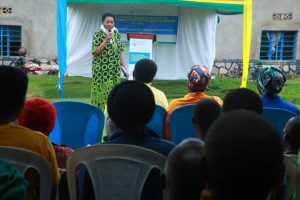
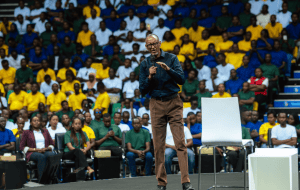
As Rwanda begins the 100-day commemoration period marking the 32nd anniversary of the 1994 Genocide against the Tutsi, residents of Muzo Sector, Mwiyando Cell, gathered to honor the victims and renew their commitment to unity, reconciliation, and ensuring that such a tragedy never happens again.
The day was characterized by in-depth discussions reflecting on Rwanda’s painful past, particularly the planning and execution of the Genocide against the Tutsi. These discussions aimed at helping citizens better understand its origins and take responsibility in preventing such atrocities in the future.
The Executive Secretary of Mwiyando Cell, Vincent Nizeyimana, reminded residents that commemoration is not merely a routine activity, but a meaningful opportunity to rebuild themselves and work together toward improving livelihoods and reinforcing national unity.

He emphasized that preserving unity is everyone’s responsibility, noting that the fight against genocide ideology should not be left to leaders alone, but requires active participation from every citizen. He also warned against individuals who still attempt to spread harmful ideas that could take the country backward, urging residents to firmly reject and confront such actions.
Nizeyimana underscored the importance of unity and support for survivors, stating: “This is a time to further strengthen our unity and love for one another, and to invest more effort in supporting genocide survivors so they can continue rebuilding their lives. Everyone must take responsibility in preventing anything that could bring back such dark history. Those who still hold harmful thoughts should refrain from spreading them to others.”

He continued, urging commitment: “We must continue working closely with the authorities and stand by genocide survivors, supporting them in every possible way, especially by participating in programs aimed at improving their welfare. It is the responsibility of each and every one of us to contribute to these efforts without hesitation.”
He concluded by encouraging residents to understand and actively implement government programs, respect leadership, and avoid anything that could fuel genocide ideology, stressing that building a peaceful, united, and developed nation requires collective responsibility.

The event left many residents with a renewed commitment to work together in building a better future founded on unity, love, and remembrance, ensuring that the lessons from Rwanda’s past are never forgotten and that such tragedy never occurs again.
About The Author


SUBSCRIBE TO OUR NEWSLETTER