An Evening of Remembrance at Nyanza: Honouring Memory, Confronting History

By Leonard Tukamwibonera
On the evening of 11 April 2026, thousands gathered at the Nyanza–Kicukiro Genocide Memorial for a solemn commemoration of one of the most painful chapters of the Genocide against the Tutsi. Held during the national mourning period of Kwibuka32, the event brought together survivors, families of victims, government leaders, and citizens to honour the lives lost and reflect on the enduring lessons of this tragedy.
The Nyanza–Kicukiro site remains a stark symbol of abandonment and betrayal. In his welcome remarks, the Mayor of the City of Kigali, Samuel Dusengiyumva, underscored the weight of this history, noting: “It is here that thousands of Tutsi who had sought refuge at the former ETO Kicukiro were left unprotected after the withdrawal of UN peacekeepers, before being brutally massacred on 11 April 1994.”

Today, the memorial stands as the final resting place for more than 105,000 victims—a place that embodies remembrance, dignity, and truth.
Speakers throughout the commemoration emphasized the importance of preserving truth and ensuring accountability, particularly in light of the international community’s failure to protect innocent lives despite clear warning signs.
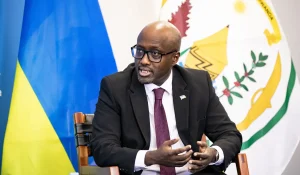
The Minister of Foreign Affairs and International Cooperation, Ambassador Olivier Nduhungirehe, spoke candidly about this failure. He stated: “The international community deliberately ignored what was happening in Rwanda. Many countries had full information about the preparation of the Genocide against the Tutsi, yet chose to support it instead of preventing it.”

He further called on Rwandans to draw lessons from this history, adding: “It is our responsibility to continue preserving the history of the Genocide, to denounce those who deny or minimise it, to avoid hate speech, to remain united, and to reject all forms of division and anything that fuels genocide ideology.”
A deeply emotional testimony was delivered by genocide survivor Beatha Muteteri, whose account of that day brought many in attendance to tears. Recounting the horrors she witnessed, her message also reflected resilience and gratitude for the unity that has since defined Rwanda’s recovery.

Dr. Philbert Gakwenzire, President of IBUKA, called for continued vigilance in the fight against genocide ideology, stressing: “We call upon everyone to play a role in fighting genocide ideology and in bringing to justice those responsible for the Genocide against the Tutsi who are still hiding in different countries.”
He also addressed the role of young people, urging them to remain vigilant in the digital age: “The youth must reject divisionism and resist false information spread on social media aimed at minimizing or denying the Genocide against the Tutsi. Instead, they should seek the truth and share it widely using those same platforms.”
The commemoration included moments of silence, prayers, and wreath-laying, reflecting Rwanda’s enduring commitment to dignified remembrance. These acts form part of the broader Kwibuka period, a time dedicated each year to mourning, reflection, and renewal across the country and within the diaspora.
As the evening drew to a close, one message stood clear and unwavering: remembrance is a duty. The story of Nyanza is not only one of profound loss, but also a call to conscience—to stand against indifference, to uphold truth, and to ensure that “Never Again” is upheld not merely in words, but through sustained action.


About The Author


SUBSCRIBE TO OUR NEWSLETTER