Africa Pushes for Sustainable Finance as Rising Debt Threatens Growth
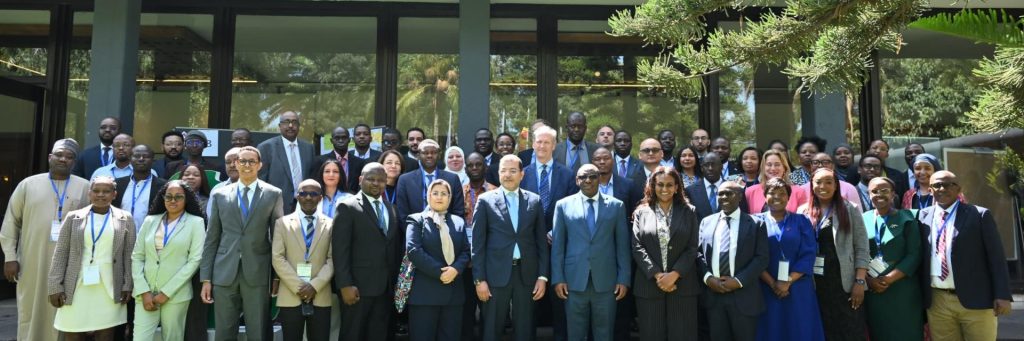
African policymakers, economists and debt management experts have called for urgent reforms to sovereign debt systems and innovative financing solutions to help the continent strengthen fiscal resilience and sustain development.
The call was made during the Second African Forum on Sovereign Finance, held in Addis Ababa, Ethiopia, from May 6 to 8 under the theme “Enhancing Fiscal Space and Debt Sustainability.” The forum was jointly organized by the United Nations Economic Commission for Africa and FSD Africa.
Participants discussed the growing debt burden facing African economies and its impact on development, climate resilience and governance. They also explored ways to align debt management with sustainable development and climate finance goals.
Speaking at the forum, ECA Deputy Executive Secretary for Programme Support, Mama Keita, said Africa’s debt crisis extends beyond fiscal concerns.
“Africa’s debt challenge extends far beyond fiscal concerns, it has become a development crisis, a climate vulnerability, and a governance emergency,” she said.
Keita stressed that African debt managers are increasingly playing a critical role in shaping the continent’s future by balancing borrowing needs with long-term development priorities.
Earlier in the week, ECA Executive Secretary Claver Gatete warned that Africa’s external debt has reached nearly US$1.2 trillion, with many countries using more than a quarter of public revenues to service debt.
“In practical terms, this means classrooms not built, clinics not staffed or equipped, and jobs not created,” Gatete said.
According to the African Development Bank, Africa’s debt service payments have more than doubled over the past decade, reaching US$163 billion. External debt service obligations are expected to hit US$88.7 billion in 2025, further limiting governments’ ability to invest in infrastructure, healthcare, education and climate adaptation.
Ethiopian State Minister for Economic Cooperation, Semereta Sewasew, said debt management is now central to economic stability and development planning.
“Debt sustainability is not only about the size of debt, but about its structure, the foreign exchange backing it, and the credibility of policy frameworks,” she noted.
The forum also examined reforms to the International Monetary Fund’s Debt Sustainability Framework, with participants highlighting gaps in how climate risks and resilience investments are assessed.
FSD Africa Chief Executive Officer Mark Napier urged African countries to strengthen financing strategies for climate and nature action to build long-term resilience.
About The Author


SUBSCRIBE TO OUR NEWSLETTER