Rwanda Strengthens Livestock Insurance Integrity Through Advanced Veterinary Training

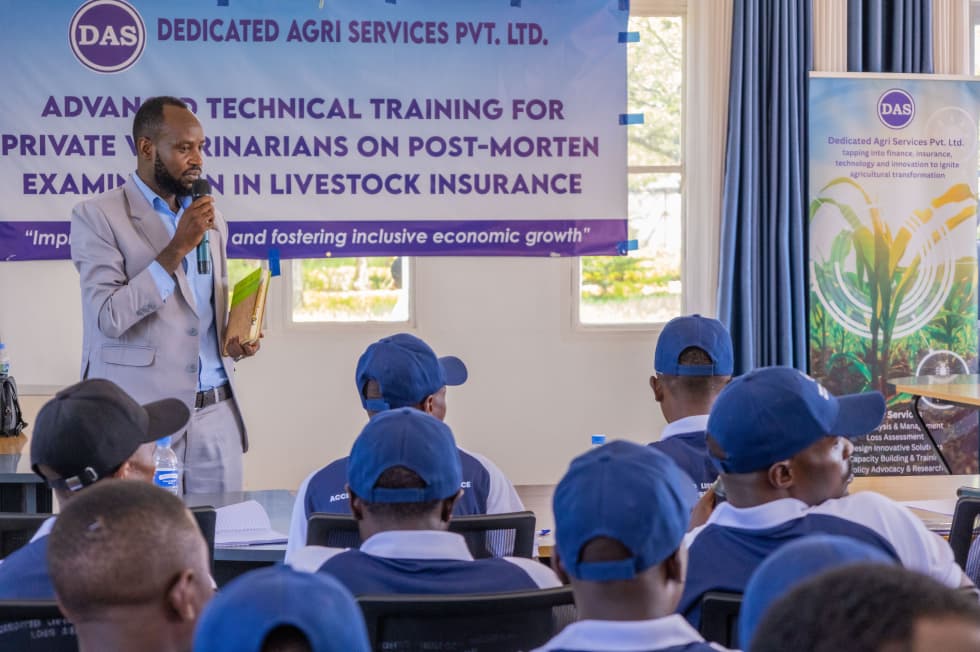
Rwanda took another major step toward strengthening its agricultural resilience on May 08, 2026, as the National Agriculture Insurance Scheme (NAIS) officially concluded an intensive capacity-building training for professional veterinarians involved in post-mortem examinations under the national livestock insurance program.
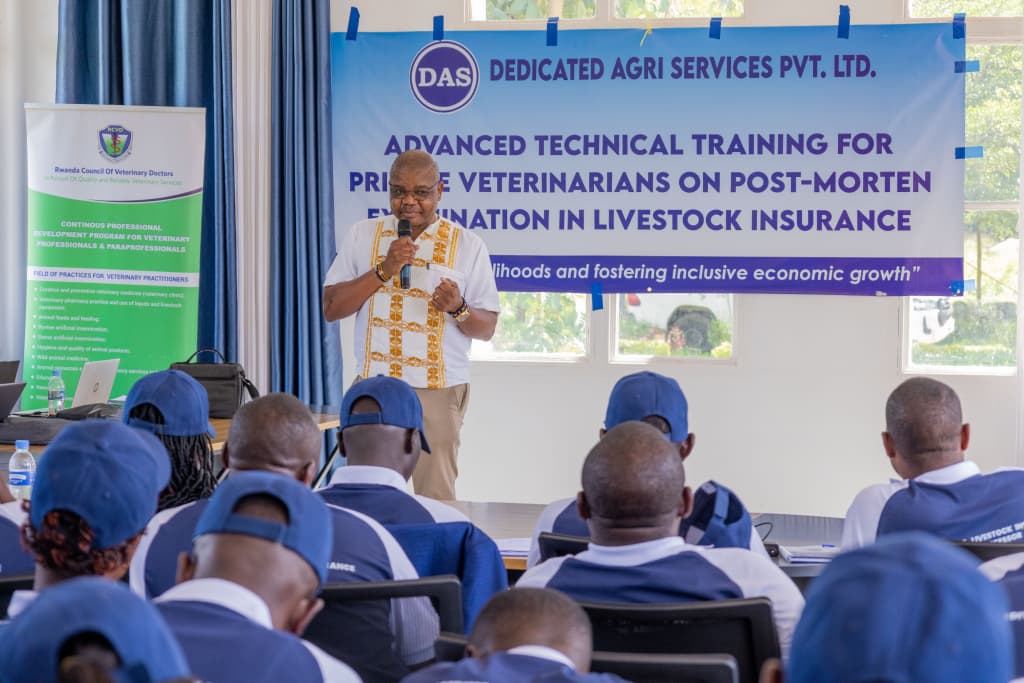
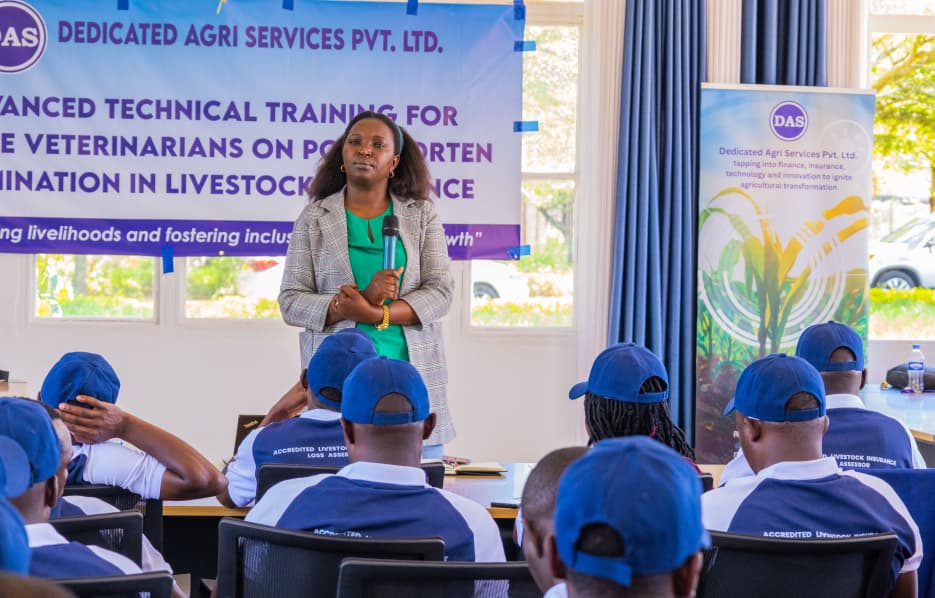
The high-level training, held in Mulindi, Gasabo District, was organized through RAB-SPIU with the objective of improving transparency, professionalism, accountability, and efficiency in livestock insurance claim verification systems across the country.
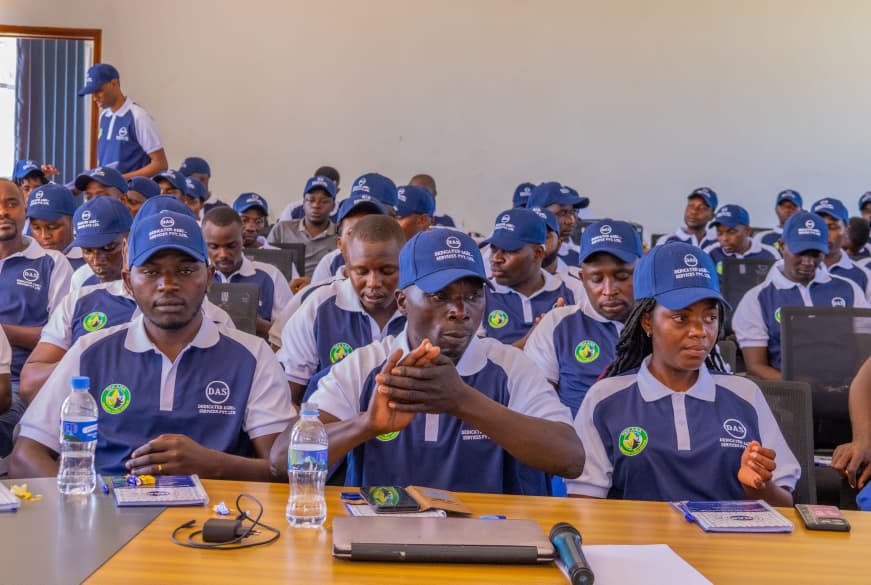
The initiative brought together 98 veterinarians from different districts nationwide, equipping them with advanced technical knowledge and practical skills needed to conduct accurate post-mortem assessments. The training aimed to eliminate errors that often delay or compromise livestock insurance compensation for farmers and livestock keepers.
For many participants, the training marked a turning point in their professional careers.
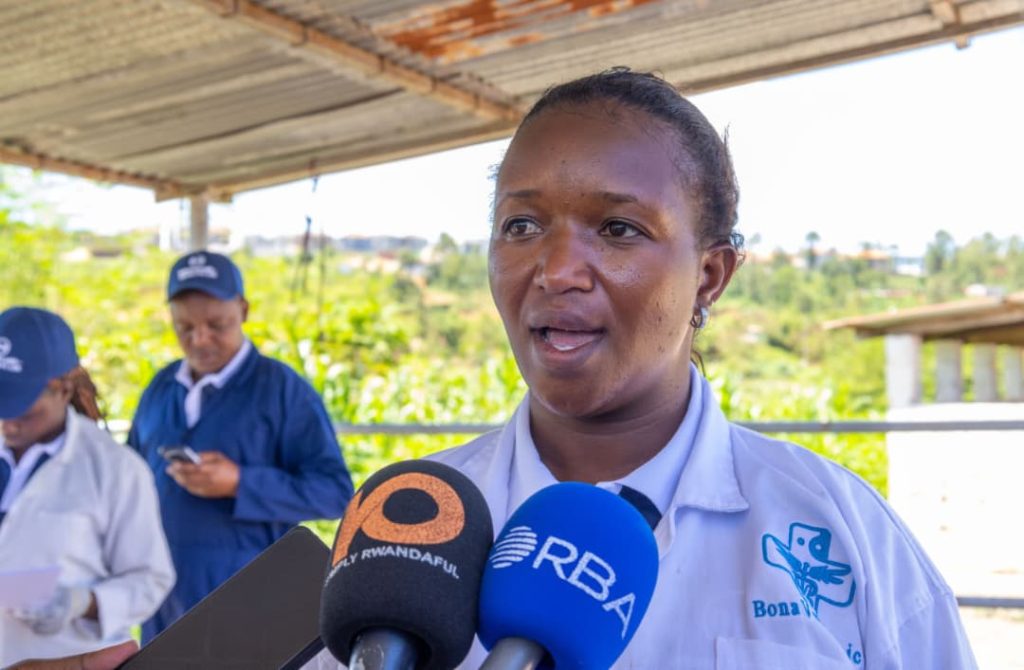
UMUGWANEZA Deborah, a veterinarian working in Muhanga district, admitted that inadequate knowledge had previously made his work extremely difficult, especially when handling unexplained livestock deaths.
“I once examined a pig that had died while bleeding from the mouth and nose, but I could not determine the actual cause of death. I realized that my limited knowledge prevented me from making a professional conclusion,” She explained.
She further recalled another challenging case involving a dead cow where he failed to identify the cause despite examining both external and internal organs.
According to Deborah, the newly acquired knowledge will significantly improve his performance and confidence in conducting professional examinations.
“Through the lessons we received, I now have sufficient knowledge about different diseases, their symptoms, and the organs they affect. I believe I will no longer face the challenges I experienced before,” she added.
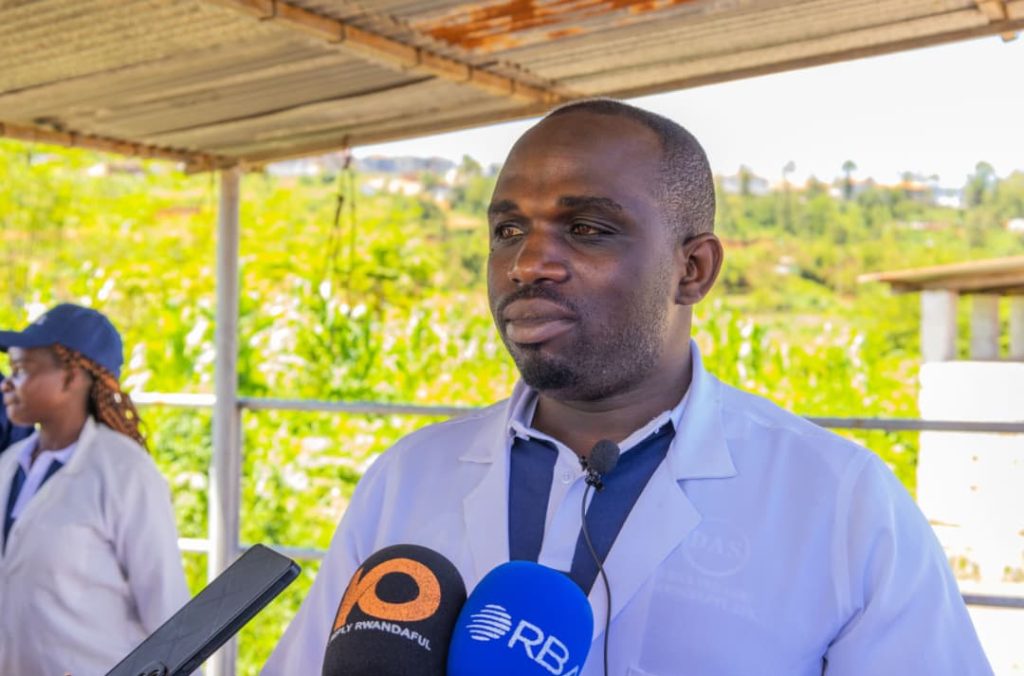
MURWANASHYAKA Jean Claude, a veterinary from Gatsibo district, also revealed that limited technical expertise had affected the quality of services delivered to farmers.
He recounted an incident where a farmer lost 15 chickens out of 200, yet he struggled to determine the cause of death.
“I investigated but failed to identify what killed them. I lacked confidence in the report I was supposed to provide and eventually had to seek support from more experienced professionals,” He said.
He noted that the training has now empowered him to independently conduct reliable examinations and produce credible reports without needing external assistance. He also emphasized the value of networking and knowledge-sharing with fellow veterinarians from across Rwanda.
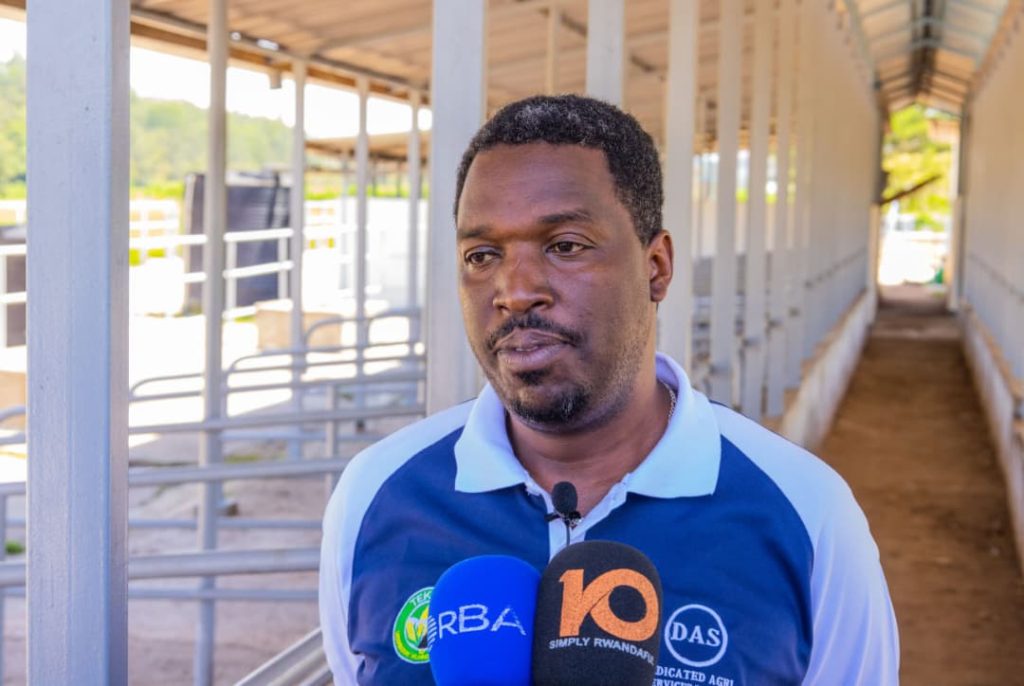
NIYONSHUTI Lambert, Operations Manager at Dedicated Agri Services PVT. LTD, a company that provides insurance-related agricultural services and technical support, said the training was designed after realizing that many veterinarians lacked sufficient expertise, resulting in frequent mistakes in assessments and reporting.
“Some errors in reports could easily lead to farmers missing compensation they rightfully deserve. In collaboration with RAB and the Ministry of Agriculture and Animal Resources, we organized this training to help veterinarians improve the quality of their work and strengthen professionalism in the sector,” He explained.
He added that continuous follow-up and mentorship programs will be maintained to ensure veterinarians keep improving their technical competencies.

Dr. Fabrice NDAYISENGA, Head of Animal Resources Development and Disease Control at RAB, stressed that veterinarians play a critical role in ensuring fairness and credibility within Rwanda’s livestock insurance system.
According to him, veterinary professionals must operate with integrity, neutrality, and professionalism when preparing post-mortem reports, as these reports directly influence compensation decisions under the TEKANA URISHINGIWE MUHINZI MWOROZI program.
“A veterinarian must always work transparently and avoid bias. Accurate and professional reporting is essential for the success of the TEKANA livestock insurance program,” he stated.
He further reminded participants to uphold ethical standards and integrity, warning that violations of professional principles and regulations could result in legal consequences.
The training is expected to strengthen trust among farmers, insurance providers, and development partners by establishing more credible and reliable livestock claim verification mechanisms. It also reflects the Government of Rwanda’s continued commitment to improving agricultural risk management systems and protecting livestock farmers against unexpected losses.
Rwanda continues modernizing its agriculture sector, initiatives like these are increasingly becoming essential pillars in building a more secure, productive, and resilient livestock industry.

About The Author


SUBSCRIBE TO OUR NEWSLETTER