Malaria Vaccine Prevented 1 in 8 Child Deaths in Africa

A major study published in The Lancet has confirmed that the RTS,S malaria vaccine significantly reduces child deaths in Africa, raising hopes for stronger malaria prevention efforts across the continent.
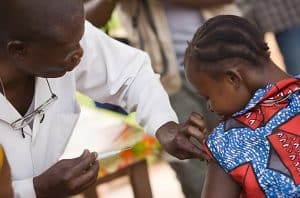
The findings, released through an evaluation of the Malaria Vaccine Implementation Programme (MVIP), showed that one in eight child deaths was prevented among children eligible to receive the vaccine in Ghana, Kenya and Malawi between 2019 and 2023.
Researchers said the impact could be even greater in other African countries now introducing malaria vaccines in regions with high malaria transmission.
The study assessed the rollout of the RTS,S vaccine, one of the two malaria vaccines recommended by the World Health Organization for use among children in malaria-endemic areas.
“This is very solid evidence of the potential for malaria vaccines to change the trajectory of child mortality in Africa,” said Dr Kate O’Brien, Director of WHO’s Department of Immunization, Vaccines and Biologicals and co-author of the evaluation.
She warned that although demand for the vaccine remains high and supply is available, many countries are struggling with inadequate funding to purchase enough doses and expand access to children most at risk.
Malaria remains one of Africa’s deadliest diseases for children. According to WHO, an estimated 438,000 African children died from malaria in 2024 alone. Health experts say broader use of malaria vaccines, alongside insecticide-treated nets, testing and treatment, could save tens of thousands of lives every year.
Dr Daniel Ngamije Madandi, Director of WHO’s Department of Malaria and Neglected Tropical Diseases, said malaria vaccination strengthens existing prevention measures and helps countries achieve greater impact in areas with moderate and high transmission.
The evaluation also found that introducing the four-dose malaria vaccine schedule created additional opportunities for delivering other health services, including measles and meningitis vaccines, vitamin A supplements and insecticide-treated mosquito nets.
Importantly, researchers found no evidence that the malaria vaccine reduced uptake of other childhood vaccines or malaria prevention measures. Instead, the programme increased access to malaria protection among children who were not previously sleeping under mosquito nets.
Currently, 25 African countries have introduced malaria vaccines into their childhood immunization programmes, targeting more than 10 million children annually.
However, researchers cautioned that financial constraints continue to slow the expansion of vaccination campaigns despite sufficient global vaccine supply.
About The Author


SUBSCRIBE TO OUR NEWSLETTER