MOTA 2026 Summit: African Nations Forge a New Mining Pact
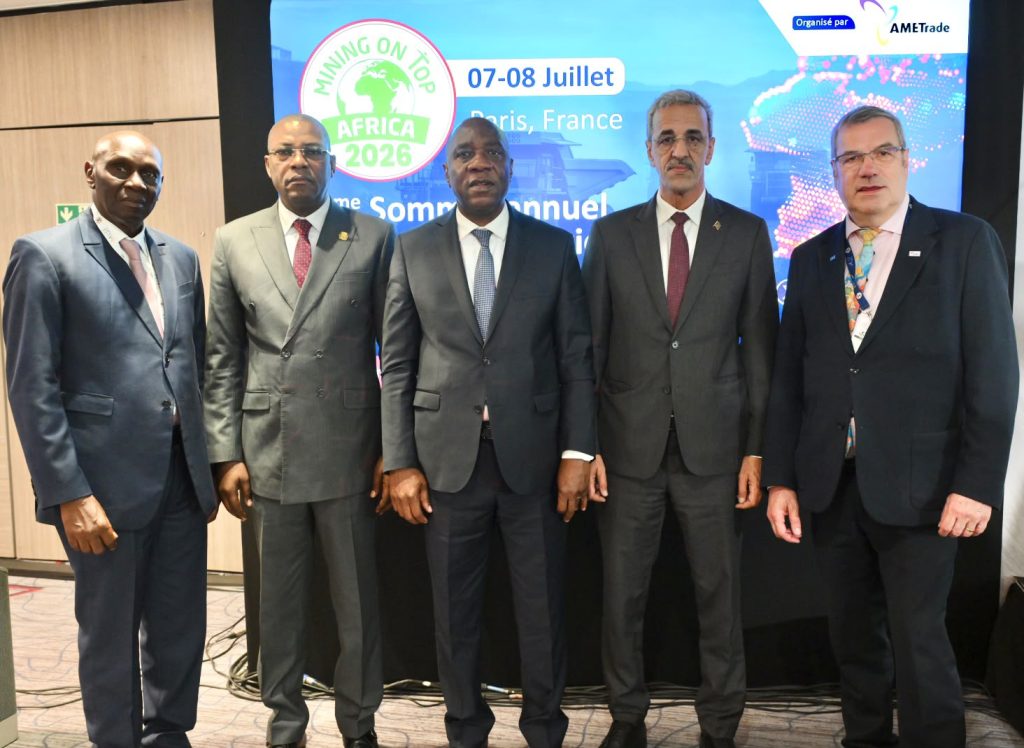
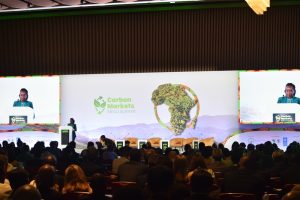
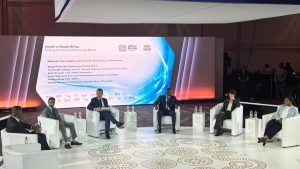
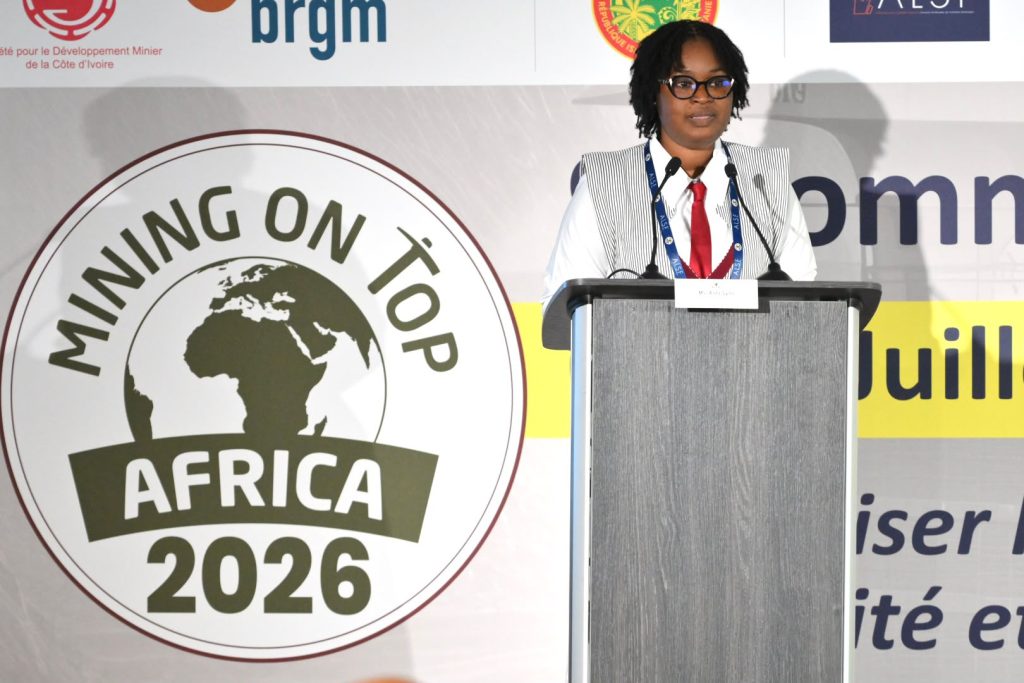
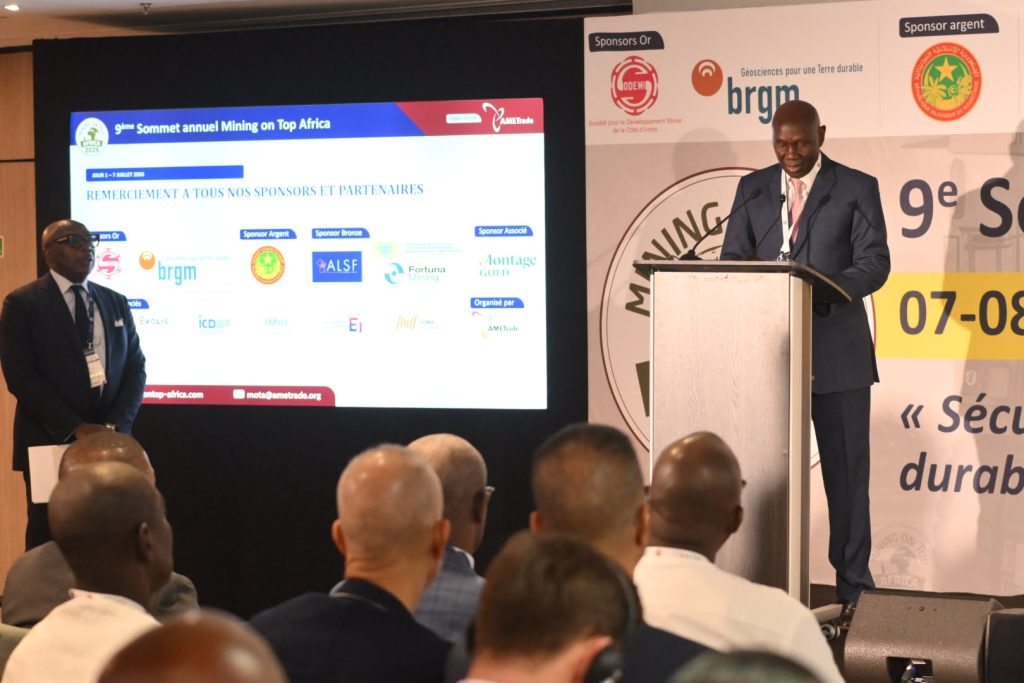
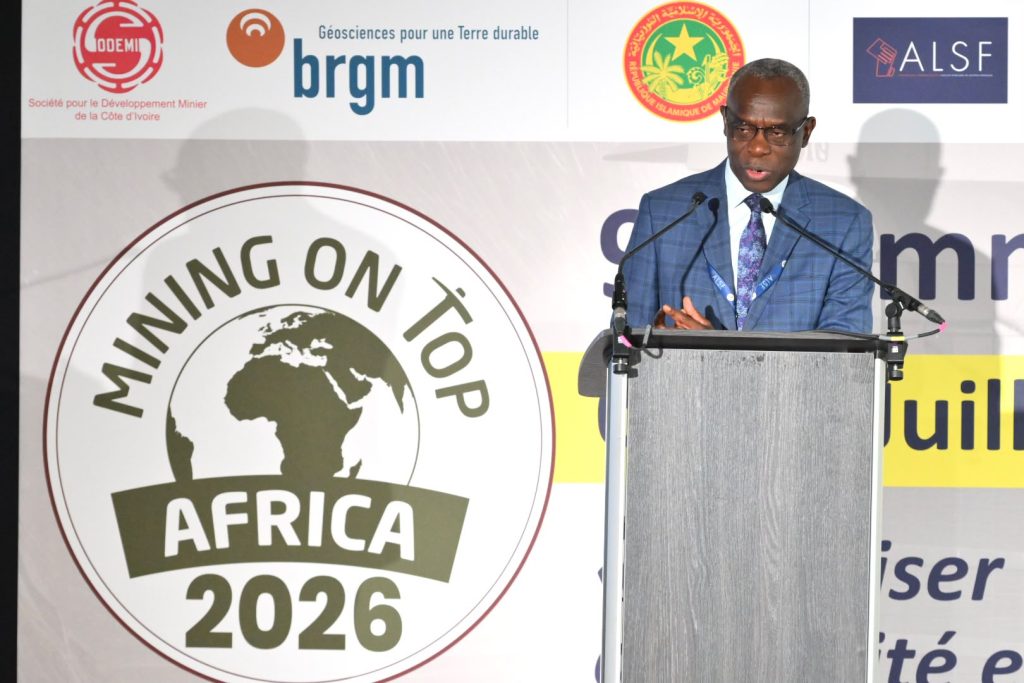
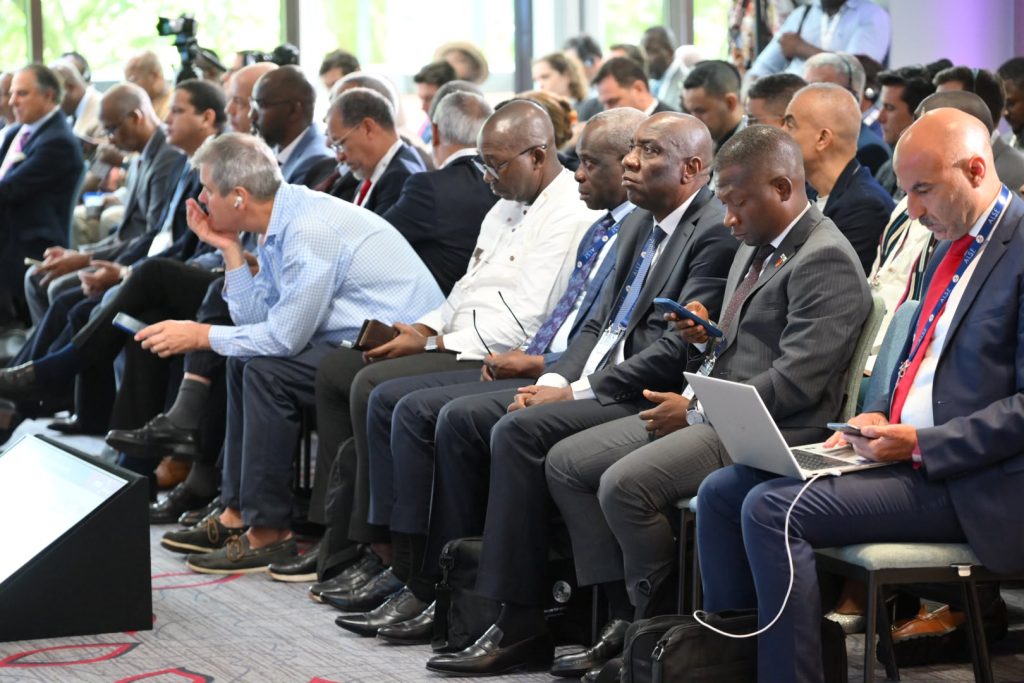
The Mining on Top Africa (MOTA) 2026 Summit opened in Paris on July 7, centering on the theme of “Securing Africa’s mining future: Sovereignty, sustainability and global partnerships”. The primary challenge discussed by ministers, investors, and industry leaders is finding the right balance between the economic emancipation of African states and maintaining international capital flows. Crucially, the industry’s success is no longer measured solely by the volume of extracted minerals, but by its ability to generate a sustainable industrial and social ecosystem “above ground”.
A Collaborative “Middle-Ground” Strategy
African nations are aiming to capture more local wealth without destabilizing the legal frameworks necessary for financial markets.
- Mauritania is prioritizing a trust-based approach. The Minister of Mines and Industry, Edy Ould Zeine, argued that mining sovereignty should not be “imposed.” Instead, it should rely on legal stability and the proven model of its national company (SNIM) to reassure investors while maximizing national value across gold, iron, uranium, and copper.
- The Republic of Congo is drawing a firm line against stagnant projects. While respecting existing conventions, Minister of Mining Industries and Geology Urbain Fiacre Opo warned that priority projects cannot be held hostage by financial failures. Specifically regarding the Kola potash deposit (Kore Potash)—a strategic asset needing over $2 billion in funding—he stated that if the company fails to mobilize funds, the state will revoke their convention and hand it over to other partners.
Three Pillars for Building an “Above Ground” Ecosystem
Discussions with international institutions (including the World Bank, AFC, DFC, and IEA) outlined three essential requirements for the viability of future African mining projects:
- Shared Infrastructure and Connectivity: Access to transport networks and clean energy is vital for competitiveness. Boubacar Ousmane Mbaye, President of the Senegal Chamber of Mines, stressed that a mine is only viable when connected to quality infrastructure, noting that the future of mining depends on what is built on the surface. Similarly, Jed Benjamin Goldstein of First Quantum Minerals rejected the idea that Zambia is “landlocked,” calling it “land-linked,” and insisted that mines must actively contribute to the host country’s development rather than acting as isolated islands.
- The Emergence of Local Champions: The goal goes beyond regulations to focus on operational excellence and integrating national skills, as seen in the Ivory Coast, Ghana, and Guinea. Local content is now judged by working conditions, safety, wages, and sustainability, rather than just the nationality of the company. The maturity of local ecosystems is proven by Ghanaian private actors like Engineers & Planners successfully managing the Damang mine, and the rise of 100% privately-owned Guinean companies. François Phopho Kamano of the Guinea Chamber of Mines emphasized that the industry must ultimately serve the local populations and improve living conditions.
- Social Acceptability and ESG Responsibility: Environmental, Social, and Governance (ESG) factors are now direct drivers of financial profitability. Ekaterina Autet of the IFC highlighted that a mining project will never succeed without the support of the local population. Adrian Mill, CEO of ESS, summarized this bluntly: “ESG is money,” and failing to manage it properly carries a heavy financial cost.
A Global Structural Shift
The push for mining sovereignty is a widespread, structural change. The desire to control subcontracting, assets, and added value is expanding from nations with recent reforms like Mali, Niger, and Burkina Faso, all the way to Botswana and Zimbabwe.
Ultimately, achieving true African mining sovereignty will demand reliable administrations, university partnerships, targeted technical training, and a robust banking sector capable of financing heavy contracts for local subcontractors. The summit’s subsequent sessions will focus on mapping critical minerals and integrating regional value chains.
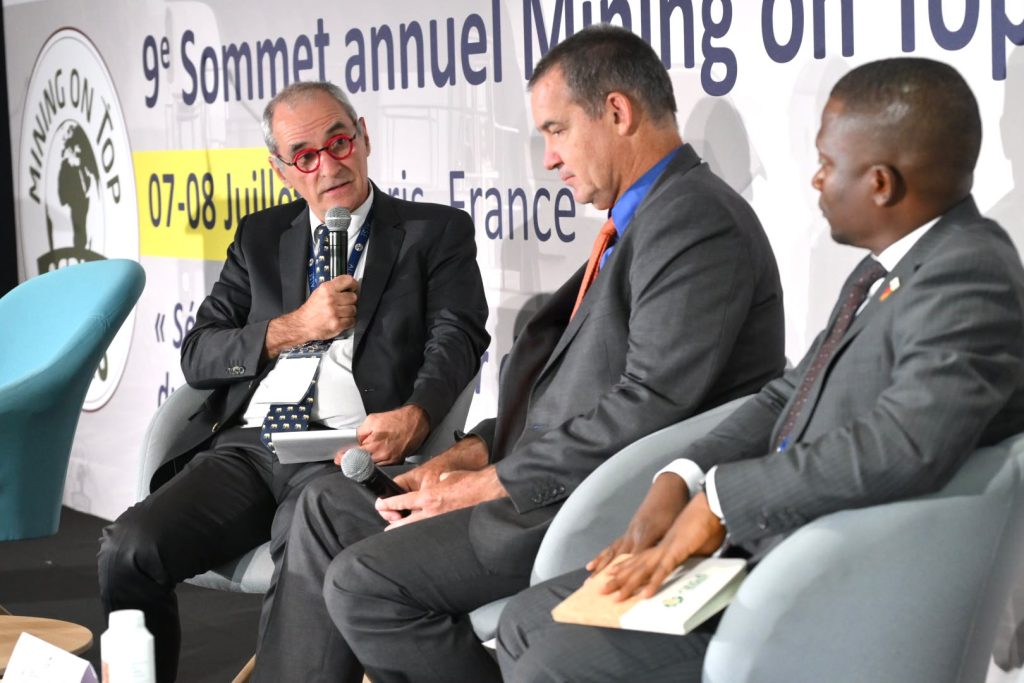
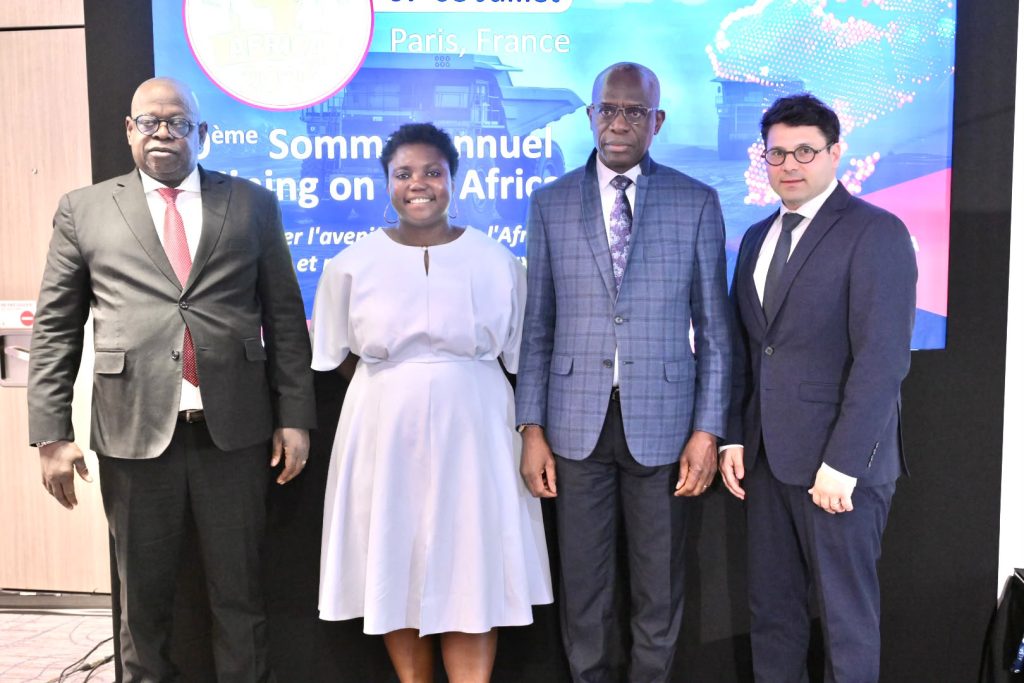
All Photos taken by: Xavier Granet
About The Author


SUBSCRIBE TO OUR NEWSLETTER