RUB and CBM Launch Three-Year Project to Expand Inclusive Education for Girls and Women with Visual Impairments in Musanze
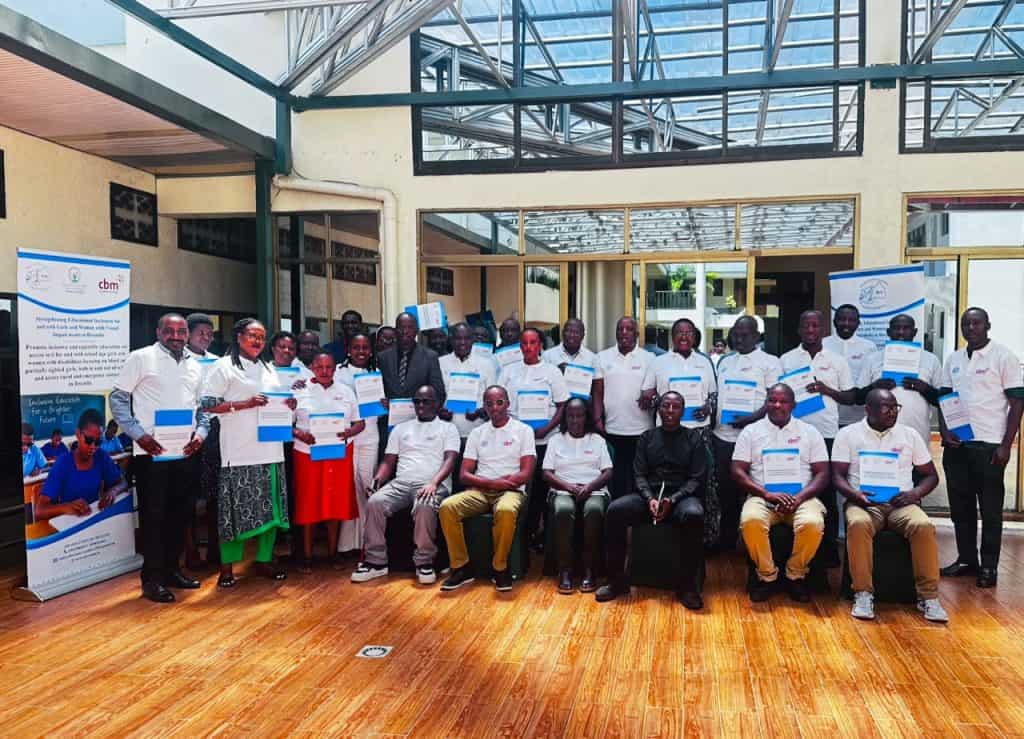
MUSANZE, Rwanda – November 26, 2026 – The Rwanda Union of the Blind (RUB), in partnership with Christian Blind Mission (CBM), has launched a three-year initiative in Musanze District aimed at improving access to inclusive and equitable education for girls and women with visual impairments.
The project, titled Strengthening Educational Inclusion for and with Girls and Women with Visual Impairments in Rwanda, will run from 2026 to 2028 and cover Musanze and Gatsibo districts.
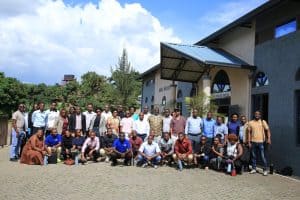
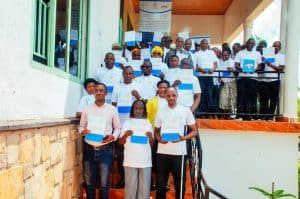
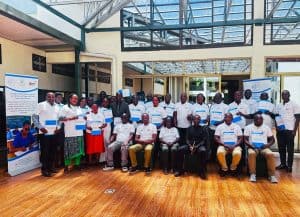
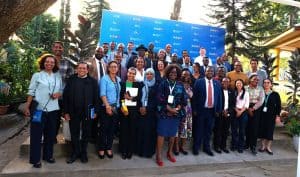
The launch event in Musanze brought together Sector Education Inspectors (SEIs) from all 15 sectors of the district, education sector partners, head teachers and district officials, reflecting the importance of coordinated efforts in addressing barriers to education for learners with disabilities.
Speaking during the launch, Musanze District Vice Mayor in charge of Social Affairs, Kayiranga Theobald, thanked RUB for selecting the district to benefit from the initiative and recognised the organisation’s contribution to local development, particularly in supporting people with visual impairments.
He pledged the district’s cooperation in implementing the project and emphasised the importance of ensuring that its achievements are sustained beyond the three-year implementation period.
The Vice Mayor also called for continued collaboration between the district, schools and implementing partners to ensure that the initiative delivers lasting benefits to its intended beneficiaries.
6,015 people targeted in Musanze
According to the project presentation delivered by RUB Executive Director Mugisha Jaques, the initiative expects to reach 12,030 beneficiaries across the two districts, with women accounting for 70 per cent of the total target population.
In Musanze alone, the project targets 6,015 beneficiaries, comprising 315 direct beneficiaries and 5,700 indirect beneficiaries.
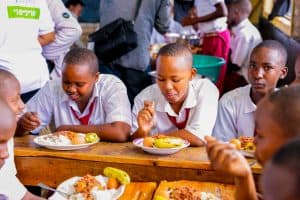
The direct beneficiaries include blind and partially sighted girls and women who will receive support to access education, develop professional skills and strengthen their participation in society.
The project targets enrolling at least five blind and partially sighted girls in nursery education, 15 girls and women in primary education and 20 in secondary education. It will also provide home-based support to at least 30 girls and women with disabilities.
Additionally, at least 50 girls and women with visual impairments are expected to receive training in long-term vocational and professional skills, while five women will be empowered in human rights and social justice.
Parents and caregivers are also central to the initiative, with at least 90 expected to receive training on equity, inclusion and supporting children and young people with visual impairments at household level.
Schools to become inclusive model institutions
A major component of the project is the transformation of selected schools into inclusive model schools.
In Musanze, five schools will be selected using agreed criteria and supported to improve their capacity to accommodate learners with disabilities.
The initiative will empower at least 100 school leaders and teachers from 10 target schools across the two districts in inclusive pedagogy and Universal Design for Learning (UDL).
The approach seeks to strengthen the ability of educators to respond to different learning needs and create school environments where learners with visual impairments can participate more effectively.
Beyond schools, the project will engage community stakeholders, faith-based organisations, opinion leaders and local authorities.
In Musanze, 600 community stakeholders, including faith-based organisations and opinion leaders, are expected to be reached through capacity-building activities. Another 100 local leaders and community members will be trained to identify children and young people with disabilities and support their inclusion in education.
The project also plans awareness campaigns targeting 5,000 community members to promote understanding of inclusive education.
Women with visual impairments to lead sustainability efforts
An important feature of the initiative is its focus on empowering women with visual impairments to become Trainers of Trainers.
Through mentorship and advocacy support, 10 women with visual impairments across the project districts will be equipped to share their knowledge and skills with others, helping to strengthen local capacity beyond the project’s implementation period.
The project will also identify girls and women with disabilities who are out of school, update disability data in collaboration with district authorities and strengthen coordination among education stakeholders to improve access to learning opportunities.
Other activities will include radio talk shows, community engagement, district-level coordination and continuous monitoring to assess progress and share lessons.
Districts, schools and communities expected to sustain progress
The initiative places significant responsibility on local authorities, schools and communities to ensure that inclusive education becomes part of the wider education system.
District authorities are expected to provide leadership and coordination, share sector-level data on persons with disabilities, support the identification of schools and sectors, and integrate inclusion into district development plans.
Schools will be encouraged to identify learners with disabilities, improve the accessibility of classrooms and facilities, and adopt inclusive teaching practices that support enrolment, attendance and retention.
Education actors, including Sector Education Inspectors, will provide technical oversight and monitoring, while community members and organisations of persons with disabilities will contribute to identifying out-of-school children, encouraging enrolment and advocating for inclusive learning environments.
According to RUB, sustainability will depend on strengthening the capacity of teachers and school leaders, enabling model schools to serve as examples for other institutions, and ensuring that trained women continue sharing their expertise.
The initiative also seeks to strengthen RUB and the Masaka Resource Centre for the Blind (MRCB) so they can serve their members more effectively.
Ultimately, the project aims to ensure that girls and women with visual impairments, whether in or out of school and across rural and emergency contexts, have improved opportunities to access education, develop their potential and participate fully in society.
Through its partnership with CBM and collaboration with district authorities and education stakeholders, RUB seeks to advance an education system in which disability is no longer a barrier to learning and every girl has an opportunity to benefit from quality, inclusive education.
About The Author


SUBSCRIBE TO OUR NEWSLETTER