Rwandan Conservationist named to 2026 TIME100 Next for protecting grey crowned cranes
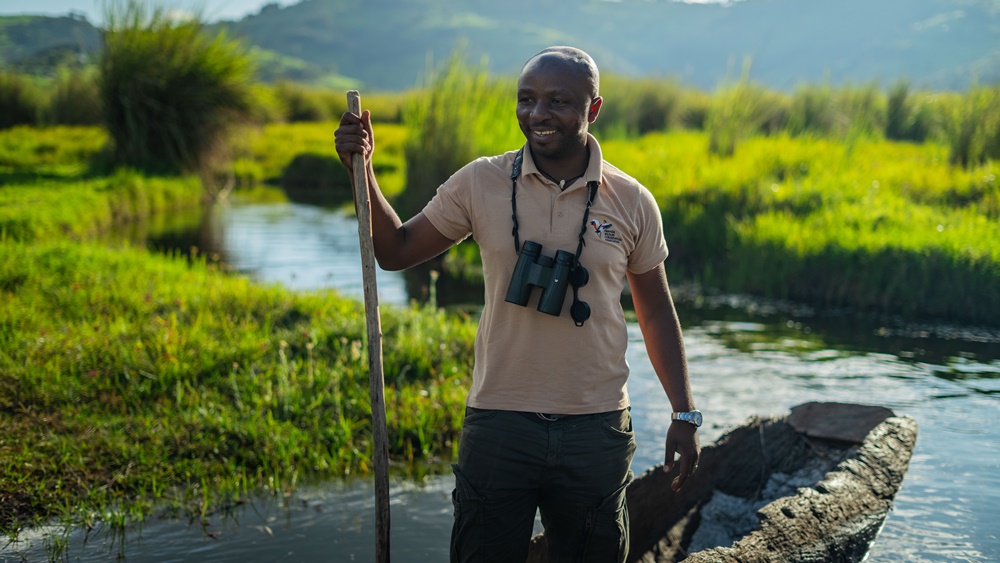
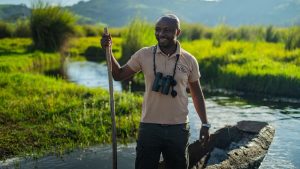
Rugezi Marsh, Northern Province, Rwanda - November 2023: Dr. Olivier Nsengimana during the Rugezi Biodiversity Survey. Photo by James Rooney/National Geographic.
Rwandan veterinarian and conservationist Dr. Olivier Nsengimana has been named among the 100 rising stars on TIME’s 2026 TIME100 Next list, bringing international attention to his work to protect Grey Crowned Cranes and the wetlands they depend on.
TIME announced the 2026 TIME100 Next list on September 30, describing it as an annual selection of people shaping the future and defining the next generation of leadership. Nsengimana is included among the science, space and health innovators on this year’s list.
READ ALSO: Rwanda’s Grey Crowned Crane Population Rises to 1,438 After a Decade of Conservation
The recognition comes as Rwanda’s Grey Crowned Crane population has reached 1,438, following a decade of conservation efforts led by the Rwanda Wildlife Conservation Association (RWCA), which Nsengimana founded in 2015.
When the conservation programme began, fewer than 300 Grey Crowned Cranes were estimated to remain in Rwanda. The latest figure comes from the country’s 10th consecutive national crane census, conducted in 2026.
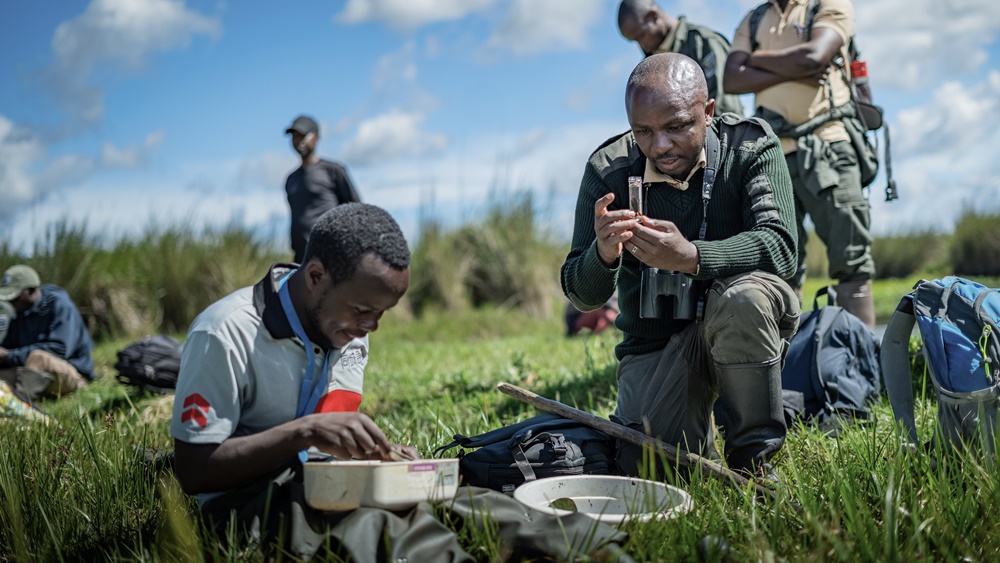
The population recovery has been linked to efforts to end illegal captivity and trade, return rescued cranes to the wild, protect and restore wetlands, strengthen monitoring and involve communities in conservation.
RWCA says its work has grown from a campaign focused on Grey Crowned Cranes into broader efforts to protect threatened wildlife and natural habitats across Rwanda. The organisation describes community rangers and Community Conservation Champions as an important part of its conservation model.
READ ALSO: Rwanda’s Dr Olivier Nsengimana Wins 2025 Whitley Gold Award to protect Grey Crowned Crane population
The latest census provides one of the clearest measures of the changes that have taken place since RWCA began its crane conservation programme.
Rwanda’s first nationwide census was conducted in 2017 and recorded 487 cranes. Since then, the population has been monitored annually, allowing conservation teams to track changes in numbers, breeding sites, movements and threats across the country.
Rugezi Marsh, one of the country’s most important wetlands for the species, has also recorded a substantial increase. The 2026 census found 378 Grey Crowned Cranes there, representing more than a quarter of Rwanda’s national population. The number had been 71 in 2017.
READ ALSO: How to Transform Rugezi Wetland into Rwanda’s Fifth National Park
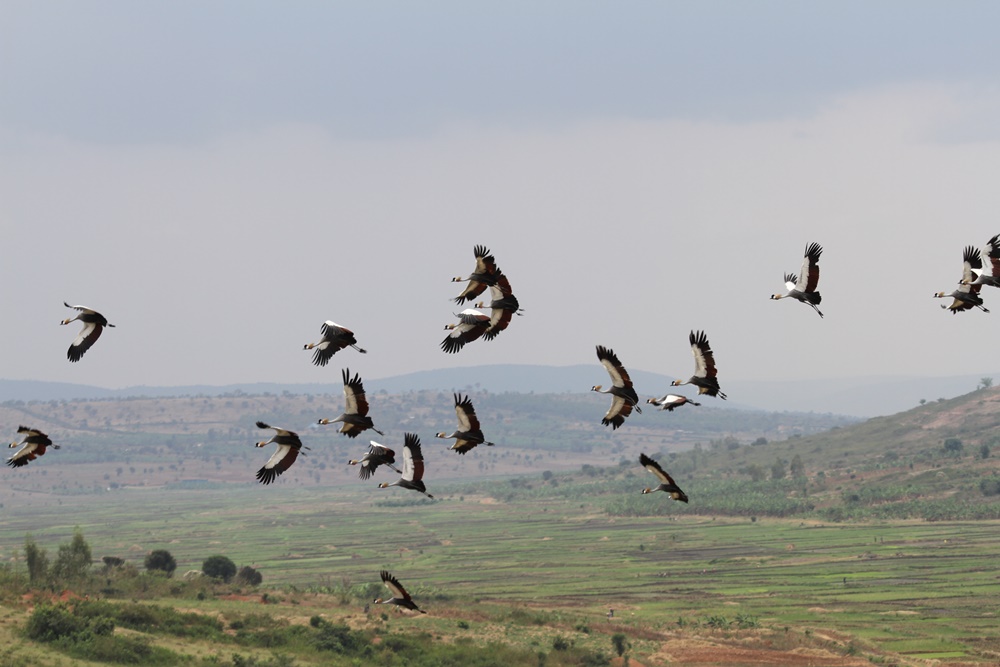
The monitoring has also helped identify threats facing the birds and the habitats they use. Despite the recovery in Rwanda, the Grey Crowned Crane remains classified as Endangered, with wetland degradation, agricultural expansion, disturbance and other human pressures continuing to threaten the species.
A conservation career built around the crane
Nsengimana, a veterinarian and former Gorilla Doctor, founded RWCA in 2015 after becoming concerned about the decline of Grey Crowned Cranes in Rwanda.
The Whitley Fund for Nature says the birds were facing threats including illegal capture for the pet trade and habitat destruction. Working with the Rwandan government, RWCA registered captive cranes, rescued and rehabilitated illegally kept birds and returned them to the wild.
The organisation has also worked with communities living around wetlands, including through Community Conservation Champions and community rangers who help monitor crane habitats, identify threats and promote conservation.
Nsengimana’s work has previously received international recognition. He won a Whitley Award in 2018 for his work to conserve Rwanda’s Grey Crowned Cranes and was later named the 2025 Whitley Gold Award winner.
The £100,000 Whitley Gold Award recognised his leadership in rebuilding Rwanda’s crane population and supported plans to expand conservation efforts across East Africa through cooperation involving Rwanda, Uganda, Tanzania and Burundi.
From Rwanda to East Africa
The next phase of Nsengimana’s conservation work extends beyond Rwanda’s borders.
Grey Crowned Cranes move across landscapes that do not follow national boundaries. GPS tracking and other monitoring have shown movements between Rwanda and neighbouring countries, strengthening the case for regional cooperation to protect the species and the wetlands on which it depends.
The Whitley Gold Award has supported plans to strengthen partnerships with conservation organisations and communities in Uganda, Tanzania and Burundi.
Rugezi Marsh remains central to these efforts. The high-altitude wetland is an important habitat for Grey Crowned Cranes and also plays a wider role in Rwanda’s water systems. It feeds rivers flowing toward Lakes Burera and Ruhondo, which are linked to the country’s hydropower generation.
The TIME100 Next recognition now adds another international platform to Nsengimana’s conservation work.
TIME says the annual list brings together individuals from different fields who are shaping the future, with the 2026 selection spanning artists, leaders, advocates, innovators and other rising figures. Nsengimana is included among the science, space and health innovators.
For Rwanda’s Grey Crowned Cranes, the recognition comes at a point when their national population has reached its highest recorded level in the decade of systematic monitoring. But conservation efforts are continuing as pressure on wetlands and other habitats remains.


About The Author


SUBSCRIBE TO OUR NEWSLETTER