Rwanda Hosts Africa’s First Clinical Trial of Long-Acting Injectable for Malaria Prevention
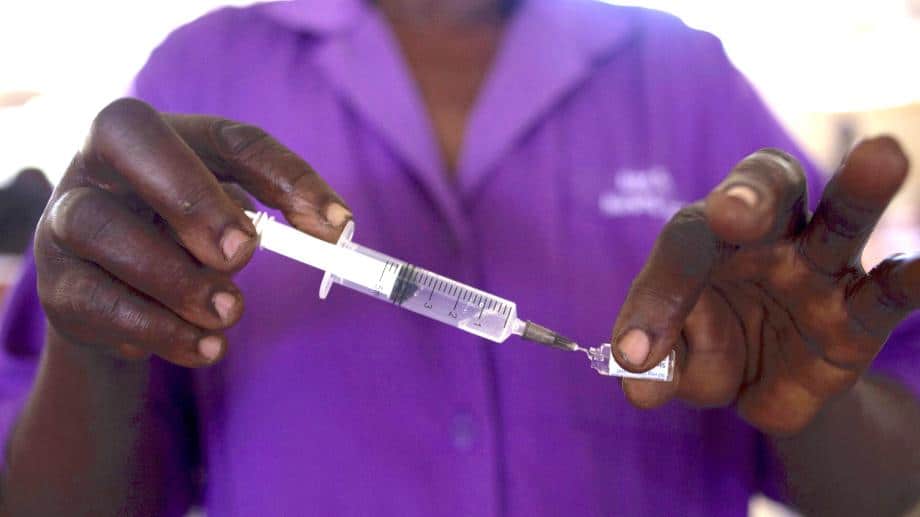
New research led by Medicines for Malaria Venture and Rinda Ubuzima is testing an injectable drug that could provide months of protection against malaria, potentially transforming prevention efforts across Africa.
KIGALI, Rwanda – Rwanda has taken a significant step in the fight against malaria with the launch of Africa’s first Phase 1b clinical trial of a long-acting injectable (LAI) designed to prevent the disease.
The clinical trial, announced on November 2, 2026, by Medicines for Malaria Venture (MMV) and Rinda Ubuzima, a Rwandan health research organization, will evaluate a potential new malaria prevention medicine known as MMV371.
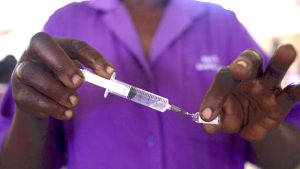
The injectable is being investigated for its potential to provide protection against malaria for several months following a single administration, offering a possible alternative to prevention approaches that require repeated medication or healthcare visits.
The development comes as malaria continues to impose a heavy public health burden, particularly across Africa. According to figures cited by the World Health Organization (WHO), malaria caused more than 280 million cases and 600,000 deaths worldwide in 2024, with 95% of the deaths occurring in Africa.
A new approach to malaria prevention
Unlike conventional preventive medicines that may require regular administration, long-acting injectables are designed to maintain protection over an extended period following a single injection.
MMV371 is being developed to potentially provide protection throughout an entire malaria season.
The new Rwandan study follows earlier clinical research conducted in the United Kingdom, where MMV371 was found to be well tolerated in healthy adults and demonstrated the potential to provide approximately three months of protection.
The Phase 1b trial in Rwanda will assess the safety and tolerability of the compound in Rwandan adults and adolescents, explore its efficacy, and examine how the body absorbs and processes the medicine.
However, the injectable remains investigational. Its safety, effectiveness and suitability for wider use must be established through clinical research before it can become an approved malaria prevention option.
Dr Martin Fitchet, Chief Executive Officer of MMV, said the development of new prevention technologies would be important in efforts to eliminate malaria.
“To eliminate malaria, we will need not only wider access to today’s tools but also the next generation of prevention technologies,” he said.
He added that long-acting injectables could redefine malaria prevention by providing sustained protection through a single administration.
Rwanda strengthens its role in medical research
The trial also highlights the increasing contribution of African research institutions to the development of new medical technologies.

Through its partnership with MMV, Rinda Ubuzima is participating in early-stage clinical research intended to generate evidence that could inform future malaria prevention strategies.
Marie Michele Umulisa, Executive Director of Rinda Ubuzima, said conducting the study in Rwanda demonstrates the importance of partnerships that enable African researchers and institutions to contribute actively to developing solutions for their communities.
“We are proud to contribute to research that could help shape the future of malaria prevention while strengthening locally led scientific innovation,” she said.
The partnership reflects a broader effort to conduct more sophisticated clinical research in malaria-endemic countries, ensuring that the development of new medicines takes into account the communities expected to benefit from them.
Why longer-lasting protection matters
For healthcare professionals working directly with malaria patients, the possibility of longer-lasting prevention could address some of the practical challenges affecting existing interventions.
Dr Joyce Eugénie, a physician at Gatenga Medicalized Health Centre in Kigali, says gaps in prevention remain a concern despite improvements in Rwanda’s malaria response.
She points particularly to the difficulties some pregnant women face in returning for repeated antenatal care appointments to receive intermittent preventive treatment.
“Pregnant women are expected to return several times for intermittent preventive treatment, but many miss appointments,” she explains.
According to Dr Eugénie, a long-acting injectable could help address such challenges by reducing the need for repeated visits and maintaining protection over a longer period.
She also sees potential benefits for people living in remote communities, where access to healthcare services can be difficult.
Some people, she observes, resort to self-medication because they cannot easily reach health facilities.
Longer-lasting protection could therefore help reduce repeated malaria infections and ease some of the pressure on healthcare facilities.
The human cost of delayed malaria treatment
Dr Eugénie’s perspective is also shaped by her experience treating patients with severe malaria.
One case that particularly affected her involved a 14-year-old boy who arrived at hospital with severe malaria and convulsions after his family initially sought assistance from traditional healers.
The family subsequently struggled to afford his medical care, resulting in his discharge before completing treatment. Two weeks later, the boy returned with encephalitis.
The experience profoundly influenced her approach to medicine, strengthening her commitment not only to treating malaria but also to improving public awareness and prevention at community level.
For her, preventing malaria cases before they become severe remains essential.
She believes that long-acting injectables could become an important addition to Rwanda’s prevention strategy, provided they demonstrate the necessary safety and effectiveness.
However, she emphasizes that accessibility will be critical.
For such an intervention to achieve its full potential, she says, it must be safe, effective and accessible to everyone, regardless of geographical location or socioeconomic circumstances.
Challenges facing the next generation of malaria tools
The development of MMV371 comes at a time when malaria prevention efforts face several emerging challenges.
Drug resistance, climate change-related extreme weather events and fragile healthcare systems are among the factors highlighting the need for continued investment in research and development.
Changing weather patterns can influence malaria transmission, while resistance threatens the effectiveness of existing antimalarial medicines.
Against this background, researchers are exploring new prevention approaches that could complement existing interventions, including mosquito control, vaccines and preventive medicines.
Long-acting injectables are not intended to replace these established interventions but could provide another tool in comprehensive malaria prevention programmes.
What comes next?
The ongoing Phase 1b trial will provide important evidence about MMV371’s performance in Rwandan adults and adolescents.
Its findings will help researchers understand whether the compound can advance through subsequent stages of clinical development.
For Rwanda, the research represents an opportunity to strengthen its scientific capacity while contributing to the search for new solutions to one of Africa’s most persistent public health challenges.
For healthcare professionals such as Dr Eugénie, the ultimate value of such innovation will be measured by whether it helps prevent infections, reduces severe illness and reaches communities that face the greatest barriers to healthcare.
Although a long-acting injectable would represent only one component of the wider malaria response, the possibility of providing months of protection through a single injection offers an important direction for future research.
As Dr Eugénie puts it, malaria elimination remains achievable through sufficient awareness and sustained prevention efforts.
“I believe that with sufficient awareness and prevention efforts, malaria can one day be eliminated.”
About The Author


SUBSCRIBE TO OUR NEWSLETTER