Kirehe: SAIP II Ignites Agricultural Transformation, Triples Yields and Restores Hope for Farming Families
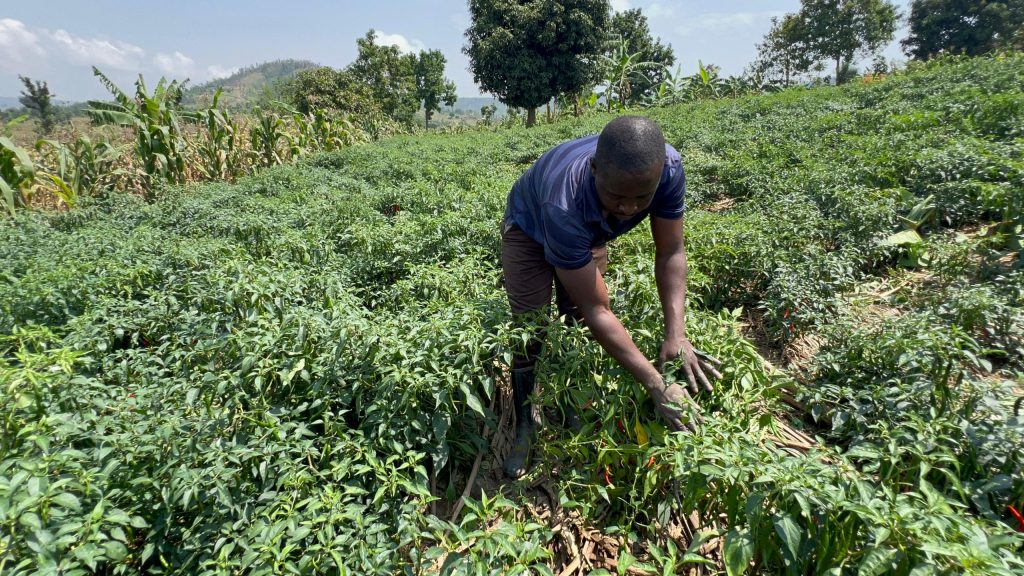
The Sustainable Agricultural Intensification and Food Security Project II changes life of farmers from Kabeza Village, Nyamugali Cell, Nyamugali Sector in Kirehe District through abundant harvests.
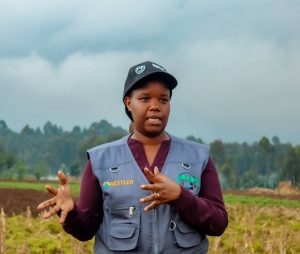
Nzamwita Beatrice, a mother of five and a member of a seed-producing cooperative, agriculture is no longer a struggle for survival it is a pathway to dignity, stability, and hope.
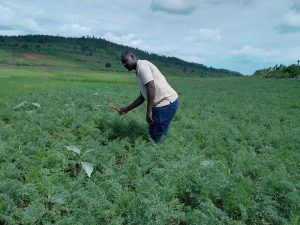
Beatrice testifies that her life changed after receiving land allocated by the government in partnership with the Sustainable Agricultural Intensification and Food Security Project (SAIP II). Through the project, she benefited from various trainings in modern vegetable and fruit farming, initially focusing on tomato cultivation. The knowledge she acquired marked the beginning of a new chapter in her farming journey.
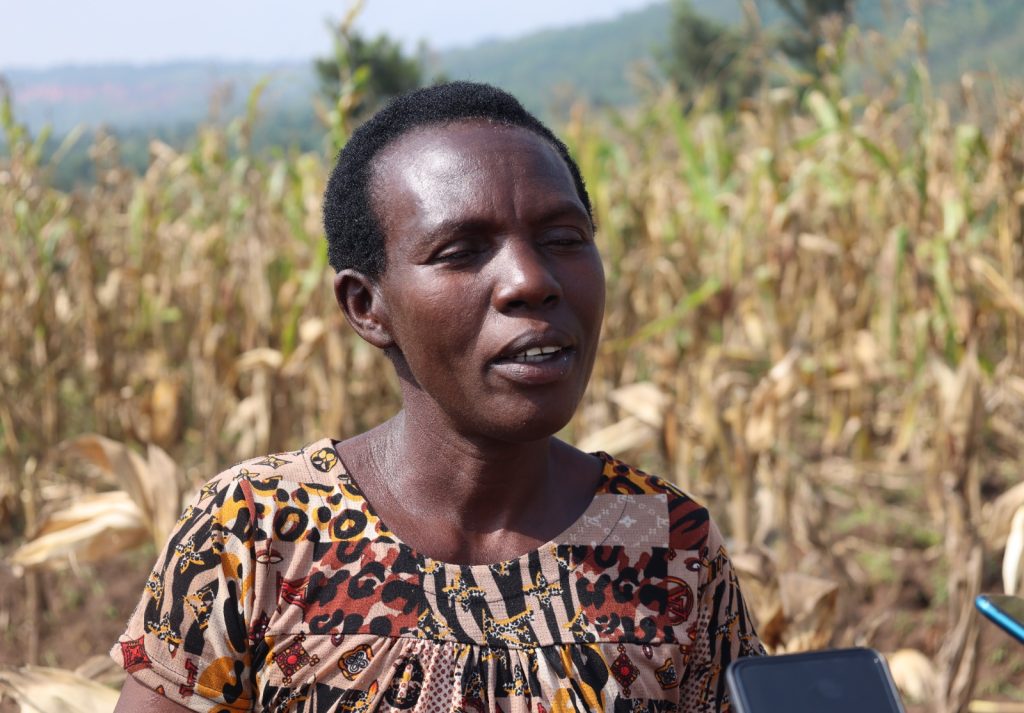
“SAIP taught us how to farm professionally,” she explains. “Before, I used to practice mixed cropping without proper techniques, and the harvest was very low. Today, I grow maize using modern methods, and the yield has significantly increased.” She stated
Her maize production alone has tripled. Previously, she could not harvest more than 100 kilograms. Today, the output has multiplied to a meaningful level, enabling her to feed her family and pay school fees for her children. What once seemed impossible has become reality—thanks to improved knowledge, better farming practices, and structured support.
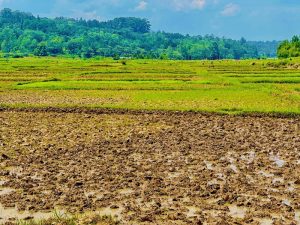
Beyond individual farmers, entire communities in Nyamugali have witnessed tangible improvements. Biziyaremye Vianney, the Water User Committee representative in Kabeza Village, commends the partnership that led to the construction and rehabilitation of an irrigation dam serving local farmers.
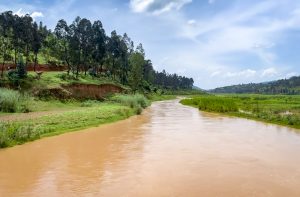
He recalls that before SAIP’s intervention, the dam’s water levels had declined, and irrigation channels were clogged, limiting farmers’ ability to water their crops during dry spells. SAIP stepped in to rehabilitate and expand the irrigation infrastructure, clearing canals and strengthening water systems.
Today, the dam stores over 500,000 cubic meters of water, acting as a reliable reservoir during drought periods. Farmers can now confidently cultivate crops throughout the year, no longer at the mercy of unpredictable rainfall.
“SAIP became a key partner in our agricultural development,” Vianney affirms. “The irrigation system has secured our crops during dry seasons and allowed us to expand production.”
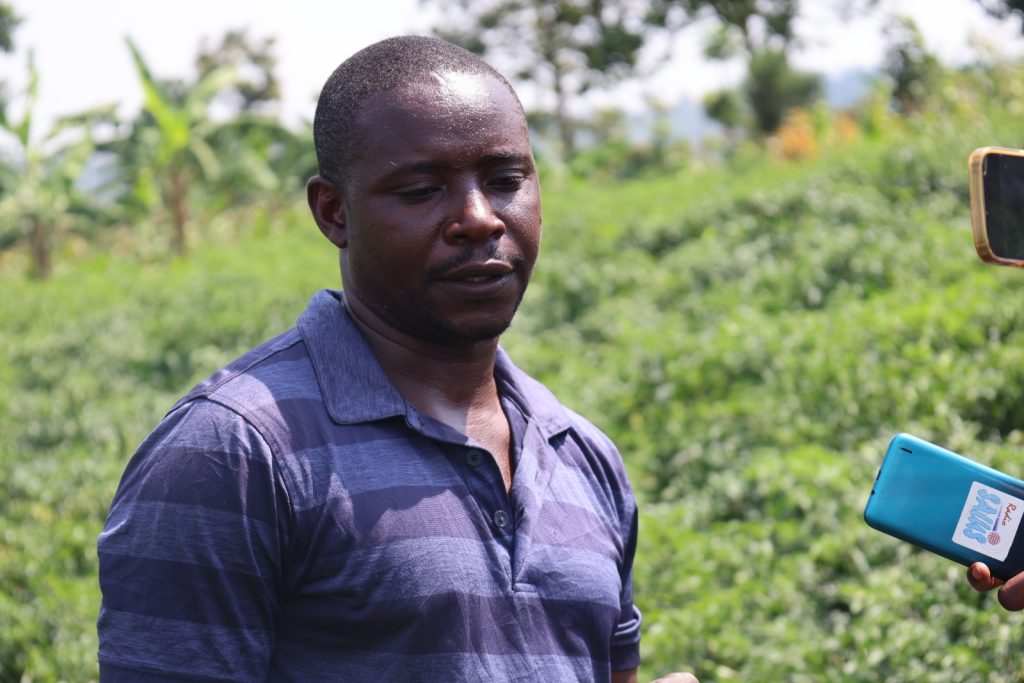
In Kigarama Sector, Iringirimana Samuel represents another success story. A professional chili farmer, Samuel began cultivating chili peppers on just 18 ares of land, harvesting over four tons in total production.
However, he once faced serious challenges, including poor seed management that led to losses. After attending a meeting organized under SAIP, he gained critical knowledge on monocropping techniques, proper crop handling, and post-harvest management. He was also advised to consult agricultural extension officers, who provided him with improved seeds.
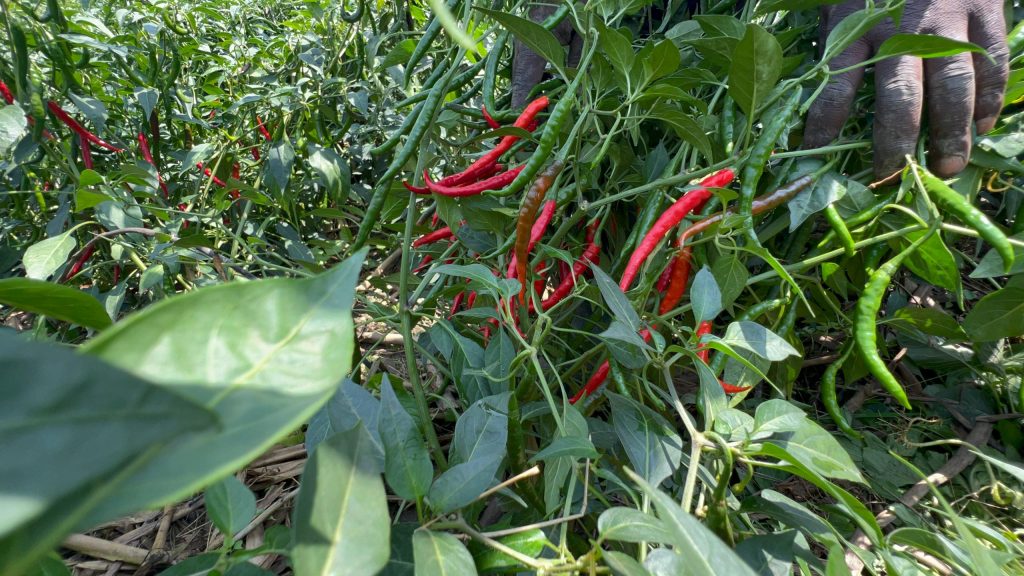
With this renewed support, Samuel’s productivity surged. The knowledge he gained from SAIP became the backbone of his success. Previously, irrigation was costly and inefficient, requiring more than three motor pumps, which reduced his profits. Through SAIP’s support, he accessed improved irrigation solutions, cutting operational costs and maximizing returns.
Today, he cultivates chili peppers on more than three hectares. He has already completed two harvests, each exceeding 500 kilograms, and continues to expand production with confidence.
Kirehe District is home to several agricultural cooperatives specializing in cereals, root crops, and fish farming. These cooperatives bring together youth and adults, fostering collective growth and knowledge-sharing. With structured support from SAIP, cooperative members have embraced improved farming systems, value addition, and market-oriented production.
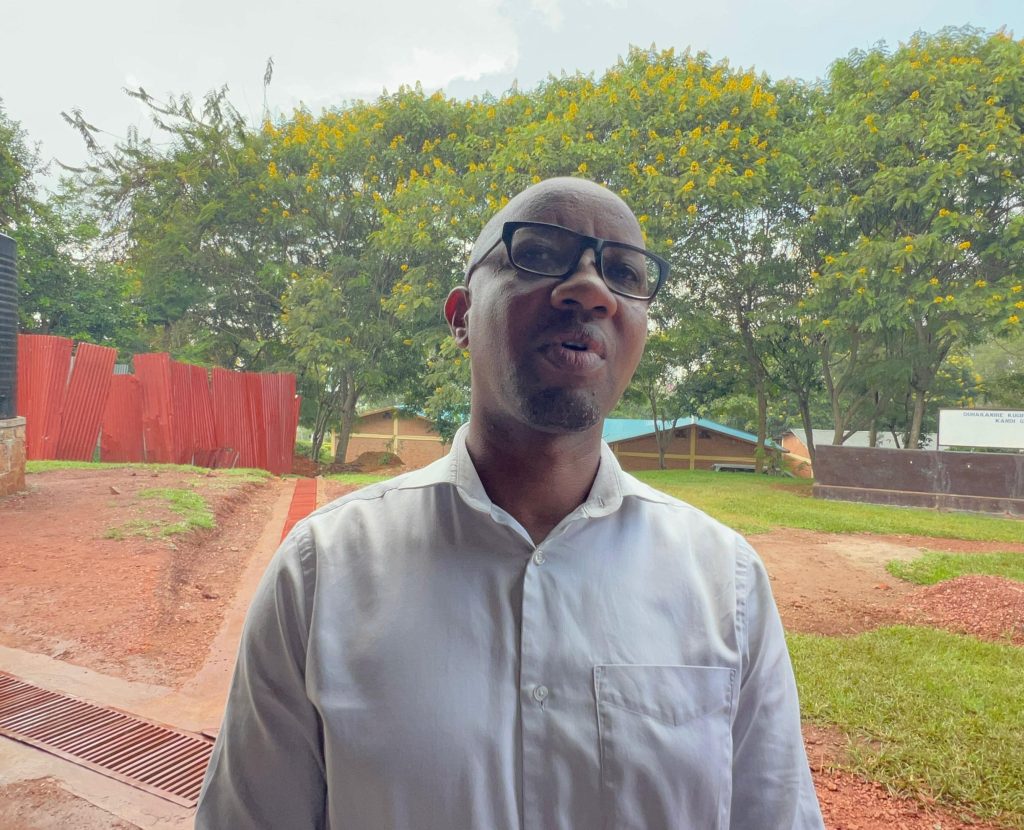
The Mayor of Kirehe District, Rangira Bruno, commends the strong collaboration between the district and SAIP. He emphasizes that agriculture sustains 95 percent of the district’s population, making productivity improvements essential for economic development.
He highlights the remarkable increase in maize yields as concrete evidence of progress.
“Maize production increased from 2.5 tons per hectare to 4 tons per hectare. This is a practical example of the impact of modern irrigation systems,” He states
The Mayor further underscores how SAIP strengthened farmers’ knowledge and enhanced resilience against prolonged dry seasons that previously caused production declines. Through irrigation modernization and training, agricultural output in the district has risen significantly, contributing to food self-sufficiency and surplus production for markets.
MUTABARUKA Ezra, SAIP II Project Manager, the project’s impact extends beyond Kirehe.
“SAIP II will play a transformative role in Rwanda’s agriculture by increasing agricultural productivity, strengthening value chains, and enhancing food security among targeted beneficiaries. Through this project, we aim to ensure that farmers not only produce more, but also access better markets and earn sustainable incomes,” he said
He further emphasizes, “The implementation of SAIP II marks a significant step toward modernizing agriculture in Rwanda. By improving production systems and market linkages, the project will contribute to long-term food security and improved livelihoods for rural households across the country.” He added

SAIP II is implemented under the Single Project Implementation Unit (SPIU) of the Rwanda Agriculture and Animal Resources Development Board (RAB). The project is funded by the Global Agriculture and Food Security Program (GAFSP) through the World Bank Group’s International Development Association (IDA). Its objective is clear: contribute to Rwanda’s agricultural transformation by improving rural livelihoods, strengthening resilience, and boosting national food security.
SAIP II has not only increased yields, it has restored confidence among farmers. It has proven that with the right knowledge, infrastructure, and collaboration, agriculture can drive sustainable development and lasting prosperity.

SUBSCRIBE TO OUR NEWSLETTER