World Off Track to Achieve Health Goals by 2030
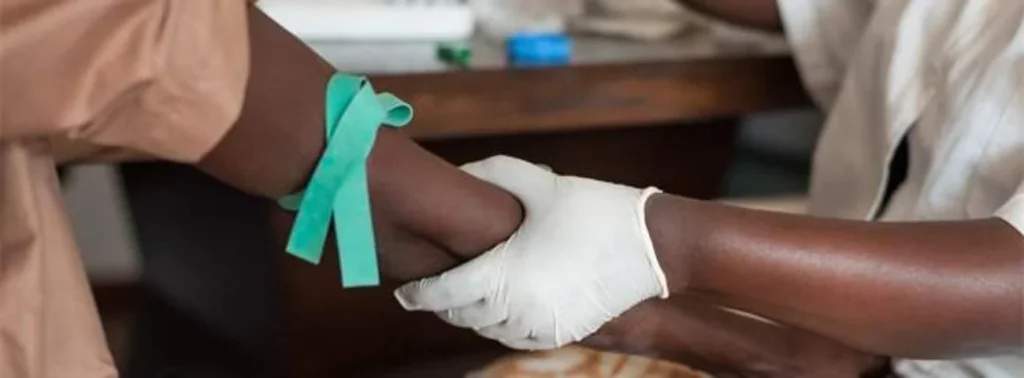
The world is failing to meet global health targets, with progress slowing and in some cases reversing, according to the latest report released by the World Health Organization.
The World Health Statistics 2026 report, published on Thursday, paints a mixed picture of global health progress. While millions of people have gained access to essential health services over the past decade, the report warns that persistent inequalities, environmental risks and financing challenges are preventing countries from achieving health-related Sustainable Development Goals (SDGs) by 2030.
According to the report, major gains have been recorded in the fight against HIV, tobacco use and neglected tropical diseases. New HIV infections dropped by 40% globally between 2010 and 2024, while the number of people requiring interventions for neglected tropical diseases fell by 36%.
Access to basic services also improved significantly between 2015 and 2024. During that period, nearly one billion people gained access to safely managed drinking water, while billions more accessed sanitation, hygiene and clean cooking solutions.
The WHO African Region registered some of the strongest progress globally, including a 70% reduction in HIV infections and a 28% decline in tuberculosis cases. Meanwhile, the South-East Asia Region is on track to meet its malaria reduction milestone for 2025.
Despite these gains, the report highlights growing concerns over preventable health risks and unequal access to healthcare.
Malaria incidence has increased by 8.5% since 2015, moving the world further away from global targets. Anaemia continues to affect more than 30% of women of reproductive age, while childhood overweight rates reached 5.5% in 2024. Violence against women also remains widespread, with one in four women globally experiencing intimate partner violence.
“These data tell a story of both progress and persistent inequality,” said Tedros Adhanom Ghebreyesus. He stressed the need for stronger and more equitable health systems to close gaps in healthcare access.
The report also warns that progress toward universal health coverage has slowed sharply. Around 1.6 billion people were either living in poverty or pushed into poverty by out-of-pocket health expenses in 2022, while one quarter of the world’s population faced financial hardship due to healthcare costs.
Although maternal mortality has declined by 40% since 2000 and under-five mortality by 51%, many countries remain off track to meet the 2030 targets.
WHO officials further noted that the COVID-19 pandemic exposed major weaknesses in global health systems. Between 2020 and 2023, the pandemic was linked to an estimated 22.1 million excess deaths worldwide, far higher than officially reported figures.
The report additionally points to serious data gaps that limit countries’ ability to track health trends and respond effectively to public health challenges.
WHO called for urgent investment in stronger health systems, prevention programmes, sustainable financing and improved health data systems to accelerate progress toward global health goals.
About The Author


SUBSCRIBE TO OUR NEWSLETTER