Nyamasheke Farmers Encouraged to Embrace Insurance as Protection Against Climate and Livestock Risks
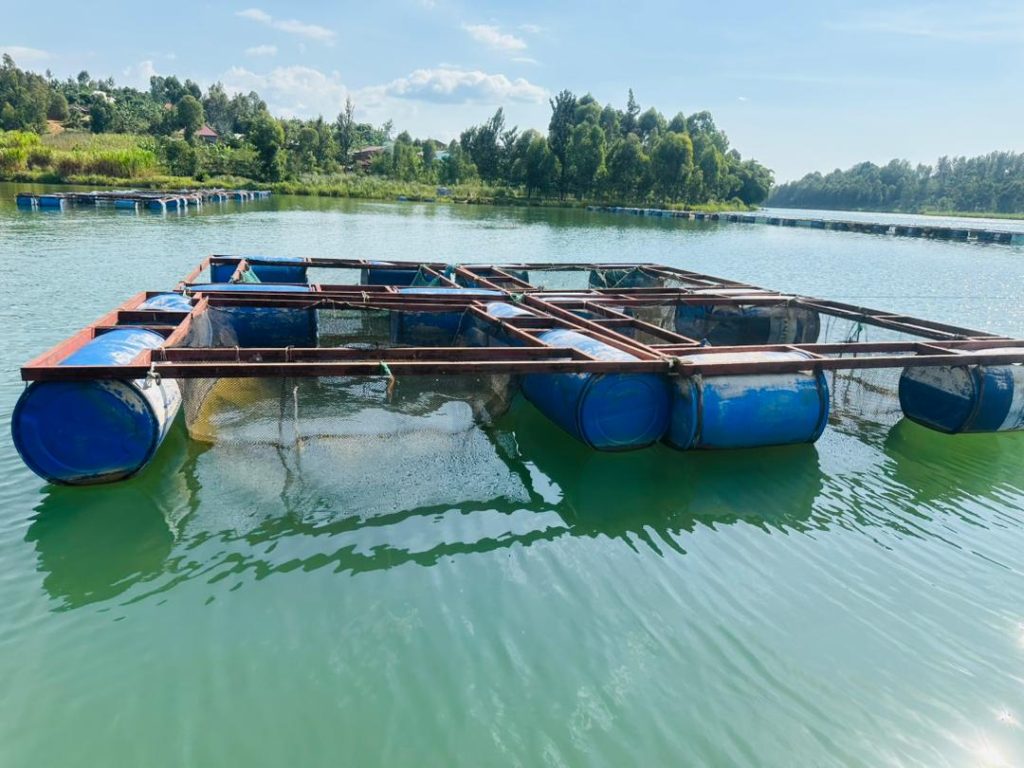
Farmers and livestock keepers in Nyamasheke District are being urged to embrace agricultural insurance as a critical safeguard against climate shocks, disease outbreaks, and other risks threatening agricultural productivity and livelihoods.
The call came during a major awareness campaign launched on May 27, 2026, under Rwanda’s National Agriculture Insurance Scheme (NAIS), popularly known as Tekana Urishingiwe Muhinzi Mworozi. The initiative aims to strengthen resilience and sustainability within Rwanda’s agricultural sector by helping farmers recover quickly from unexpected losses.
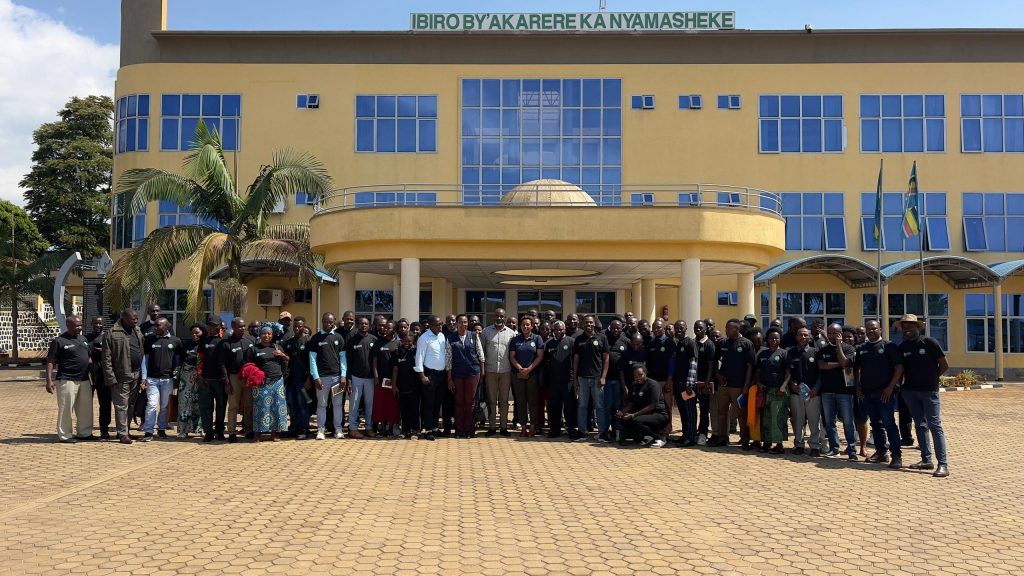
The campaign brought together farmers, livestock keepers, cooperatives, government officials, and insurance providers from across Nyamasheke District. Organized by the Rwanda Agriculture and Animal Resources Development Board (RAB) through the Single Project Implementation Unit (SPIU), the event also involved insurance partners including BK Insurance and Old Mutual.
Participants received detailed information on how the TEKANA insurance scheme works and how it protects both crop farmers and livestock keepers from severe financial losses caused by disasters and disease.
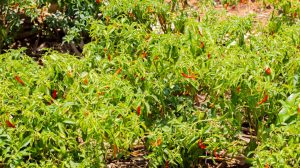
The insurance currently covers key crops such as rice, maize, beans, chili peppers, potatoes, cassava, soybeans, climbing beans, and greenhouse production. Livestock coverage includes cattle, poultry, pigs, and fish farming.
For many farmers, the program is already making a noticeable difference.

Anastasie Nyirabizimana, a member of the Twizerimbere Tubungabunga Ibidukikije Cooperative, shared how insurance has transformed their pig farming activities. The cooperative, which has 31 members raising 48 pigs, says the program has significantly reduced financial uncertainty.
“When an insured animal develops a problem, we immediately contact a veterinarian who prepares a report, and support follows quickly. This gives us peace of mind in our farming activities,” she explained.
Nyirabizimana recalled a recent case where one of her pigs experienced complications during farrowing. Despite the stressful situation, she remained confident knowing the animal was insured. Eventually, the pig successfully delivered 15 piglets.
She encouraged fellow farmers and livestock keepers to join the scheme, emphasizing that its benefits are visible in everyday farming operations.
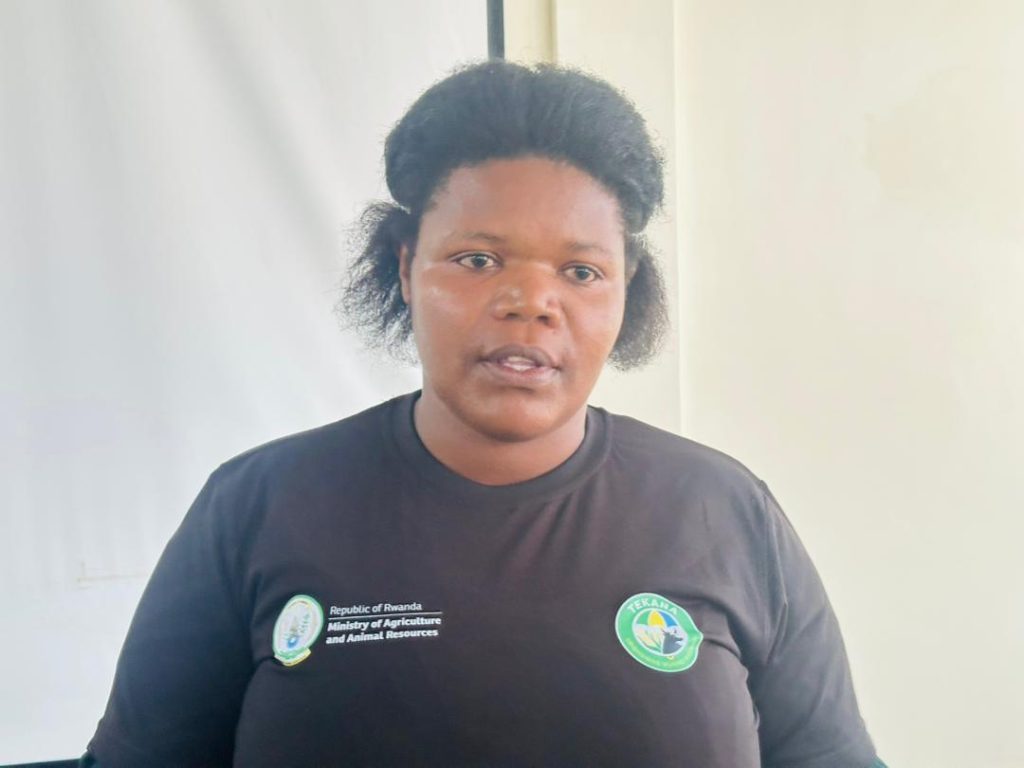
Another beneficiary, Christine Uwizeyimana from Duhuze Imbaraga Cooperative, highlighted how insurance has become a lifeline for large-scale rice farmers. The cooperative has 1,530 members cultivating 125 hectares of rice, all fully insured under TEKANA.
According to Uwizeyimana, the cooperative previously suffered major losses caused by floods and strong winds in marshland rice fields. Since joining the insurance scheme in 2019 and fully integrating it by 2022, recovery from climate-related shocks has become much easier.

Speaking during the campaign, Nyamasheke District Vice Mayor in charge of Economic Development, Joseph Désiré Muhayeyezu, emphasized that the insurance program was specifically created to protect farmers and livestock keepers from devastating losses caused by natural disasters and diseases.
He noted that agricultural insurance also improves farmers’ access to financial services, as insured farmers are more likely to qualify for loans from financial institutions.
“Insurance should not be viewed as an additional cost, but rather as a long-term investment in security and resilience,” Muhayeyezu said.
He added that Nyamasheke farmers have frequently experienced losses caused by floods damaging rice and maize grown in wetlands. However, through cooperative organization and insurance coverage, farmers are now in a stronger position to recover and continue production after disasters.
District leaders reiterated that agricultural insurance is becoming a key pillar in building a modern and resilient agricultural sector capable of withstanding climate-related challenges.
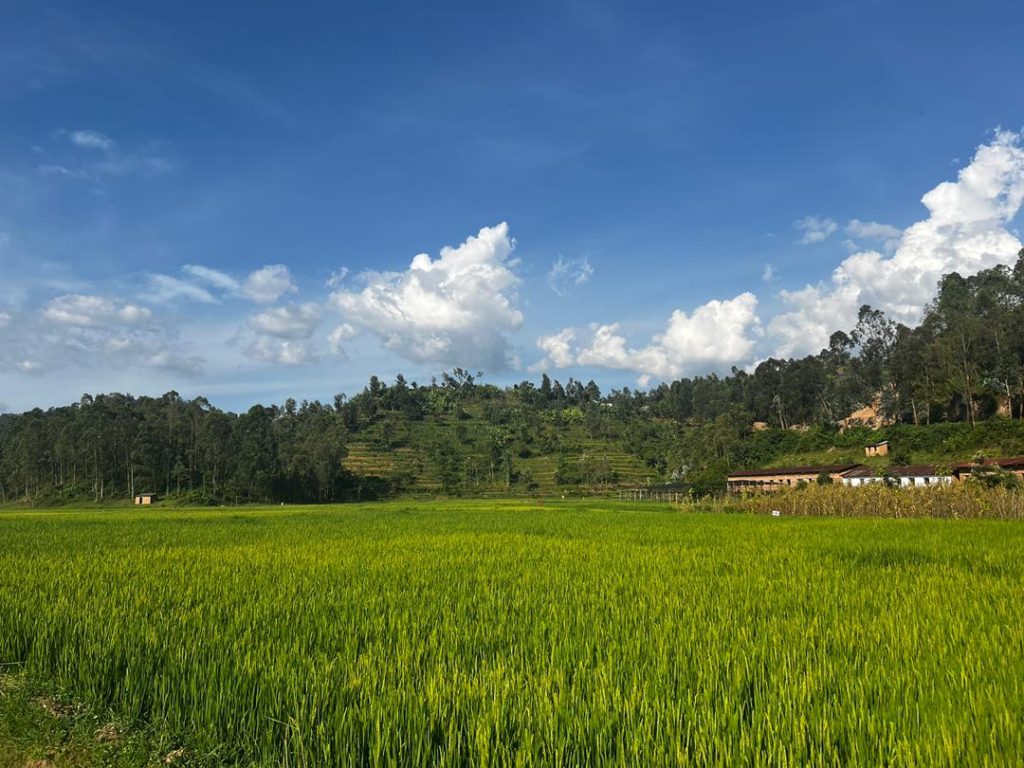
Farmers and livestock keepers were encouraged to fully embrace the TEKANA scheme to support sustainable production, improve livelihoods, and strengthen food security both in Nyamasheke District and across Rwanda.
Under the NAIS program, the Government of Rwanda subsidizes 40 percent of insurance premiums, while farmers and livestock keepers contribute the remaining 60 percent, making the scheme more accessible to rural communities.
As climate risks continue to affect agricultural production, officials believe insurance will play an increasingly important role in protecting farmers’ investments and securing the future of Rwanda’s agriculture sector.
CLICK HERE TO READ RELATED ARTICLES
About The Author


SUBSCRIBE TO OUR NEWSLETTER