Survivors Urge Youth to Reject Division as RFA Staff Visit Nyamata Genocide Memorial
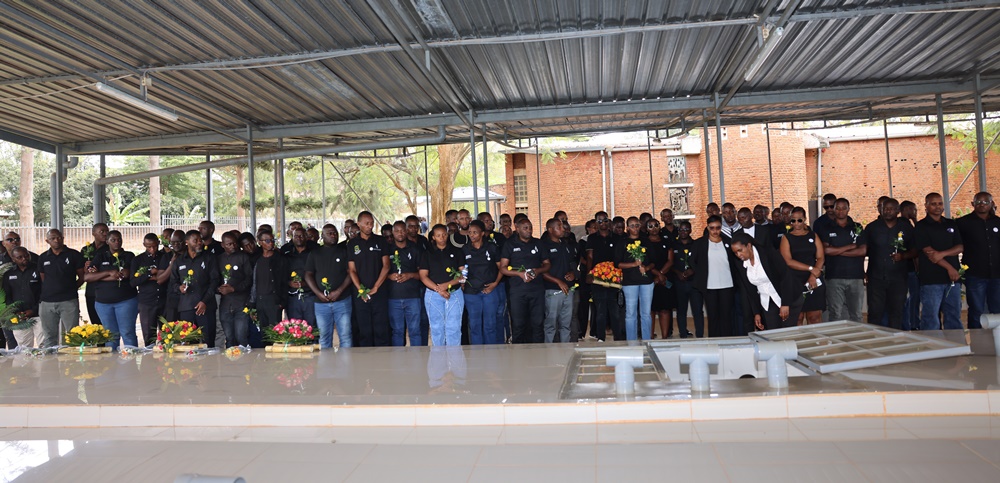
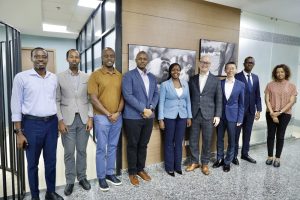
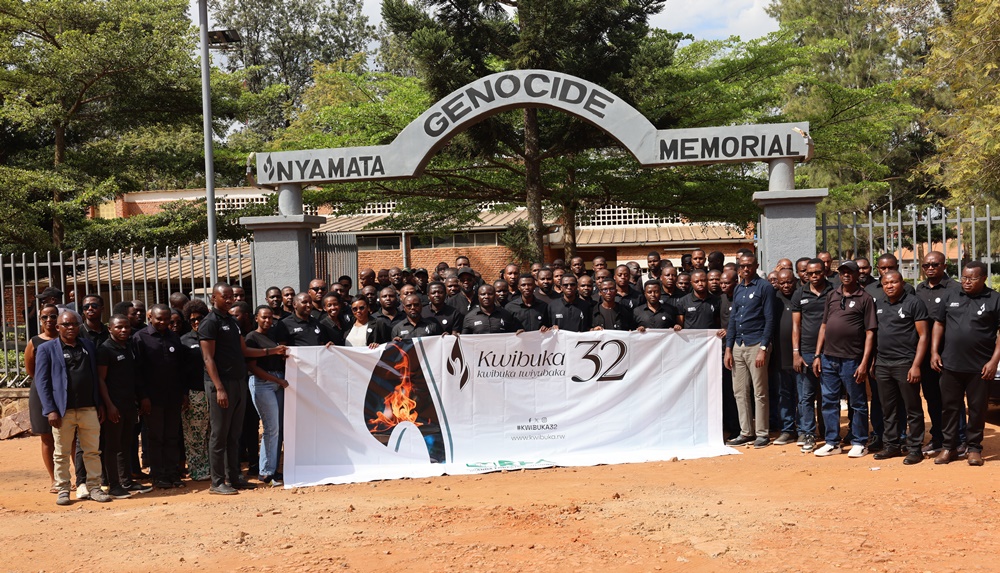
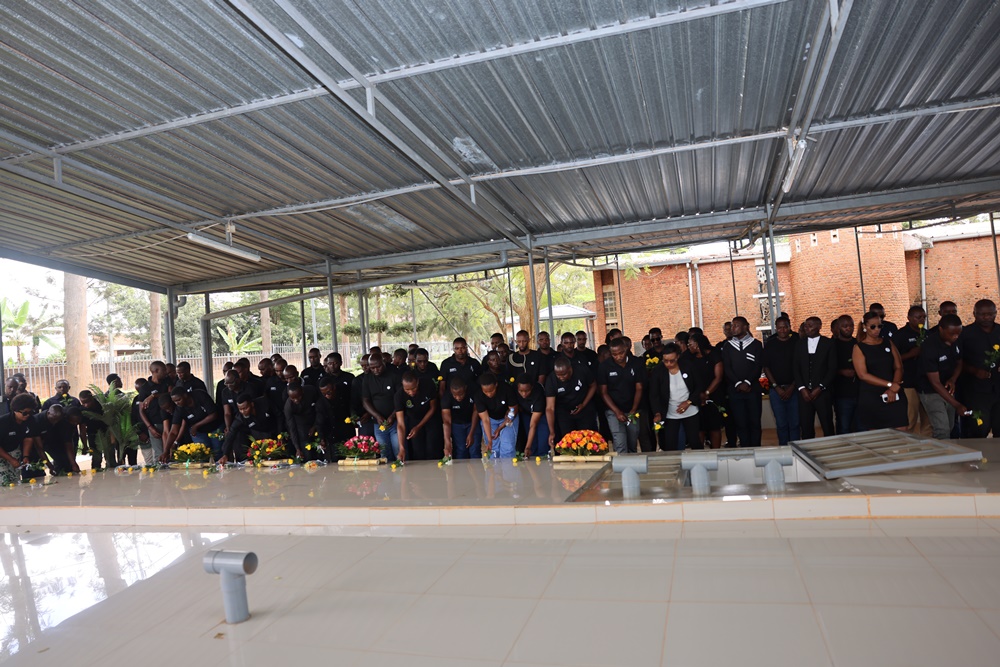
As part of activities marking the 32nd commemoration of the 1994 Genocide against the Tutsi, Rwanda Forestry Authority (RFA) staff on May 29,2026, visited Nyamata Genocide Memorial in Bugesera District, where they paid tribute to victims and reflected on the importance of preserving the country’s history.
The delegation laid wreaths at the memorial’s mass graves and toured the site, learning about the planning and execution of the Genocide against the Tutsi, which claimed more than one million lives in just 100 days.
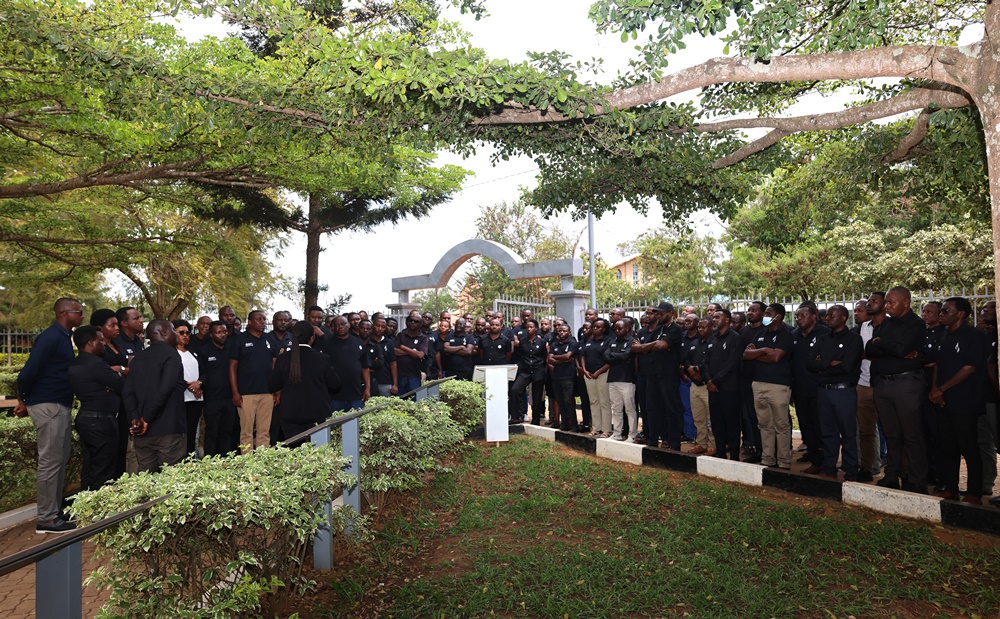
Among those who addressed the visitors was Matride Umwanankabandi, a survivor of the Genocide against the Tutsi and the representative of Ibuka in Ntarama Sector. Sharing her personal story, she described decades of persecution that her family endured long before the 1994 Genocide.

“The history is long. Before the genocide, we lived under very difficult conditions. My parents were born in Ndusu Commune in northern Rwanda before they were forcibly relocated to Bugesera. The authorities believed the tsetse flies and harsh conditions in the forests would kill them,” she said.
Umwanankabandi recalled that her father was targeted during the violence of 1959 and lost an eye after an attack. Later, in 1990, he was imprisoned on accusations of being an accomplice of the Rwandan Patriotic Front (RPF-Inkotanyi) and died in detention.
“We were eight children in the family. Two of my siblings were killed in 1992 while trying to flee to Burundi. During the 1994 Genocide, my mother and my remaining siblings were killed, leaving me as the sole survivor,” she said.
Despite the devastating losses, Umwanankabandi said Rwanda’s liberation and reconstruction transformed the lives of survivors.
“The Genocide destroyed the country, but the Inkotanyi rebuilt it. Since then, there have been tremendous improvements in all sectors, including agriculture, education and livestock farming. As survivors, we are grateful for the progress we see today because we never imagined such a future after losing our loved ones,” she said.
She noted that many survivors received new homes after theirs were destroyed, while families that had lost livestock were restocked. Support for healthcare and social welfare has also helped survivors rebuild their lives.
“We are grateful for the efforts made by the post-genocide Government of National Unity, which played a critical role in rebuilding the country and supporting survivors as they worked to rebuild their lives,” she said.
Reflecting on her own experience as a young person during the genocide, Umwanankabandi warned against the dangers of division and manipulation.
She said, “Many of those who participated in the genocide were young people who had been poisoned by discriminatory ideology. My message to today’s youth is to think critically, reject division and put unity first. By doing so, we can ensure that what happened never happens again.”
Director General of RFA, Dr. Concorde Nsengumuremyi, said the institution organized the visit to deepen staff members’ understanding of the history of the 1994 Genocide against the Tutsi and to strengthen efforts to combat genocide denial and minimization.
“This visit was organized to help us learn from history, understand its root causes, and take concrete measures to fight genocide ideology. It also enables us to strengthen our efforts in confronting those who deny or trivialize the 1994 Genocide against the Tutsi,” he said.
Dr. Nsengumuremyi further called on RFA staff to use digital platforms responsibly in defending historical truth and countering misinformation about Rwanda’s history.
“We encourage RFA staff to take a leading role in combating genocide denial, minimization and genocide ideology through the responsible use of technology and various social media platforms. This is essential to building a secure nation and ensuring a hopeful future for both present and future generations,” he said.
Today, more than 45,000 victims are laid to rest at Nyamata Genocide Memorial. During the Genocide, thousands of Tutsi sought refuge inside Nyamata Catholic Church, believing it would provide protection as it had during earlier episodes of anti-Tutsi violence.
Instead, the church became a site of mass murder. More than 10,000 people who had sought shelter there were killed, while many others commemorated at the memorial were murdered in surrounding parts of Bugesera.
The church has been preserved as a powerful testimony to the atrocities committed during the genocide. Victims’ clothing remains on display, while bullet marks are still visible on the walls and ceiling.
Nyamata Genocide Memorial is among Rwanda’s genocide memorial sites inscribed on the UNESCO World Heritage List, recognizing its significance in preserving the memory of the Genocide against the Tutsi and educating future generations about its history and consequences.
About The Author


SUBSCRIBE TO OUR NEWSLETTER