Green Amayaga Benefits More Than 415,000 People as Rwanda Launches $20 Million Phase II
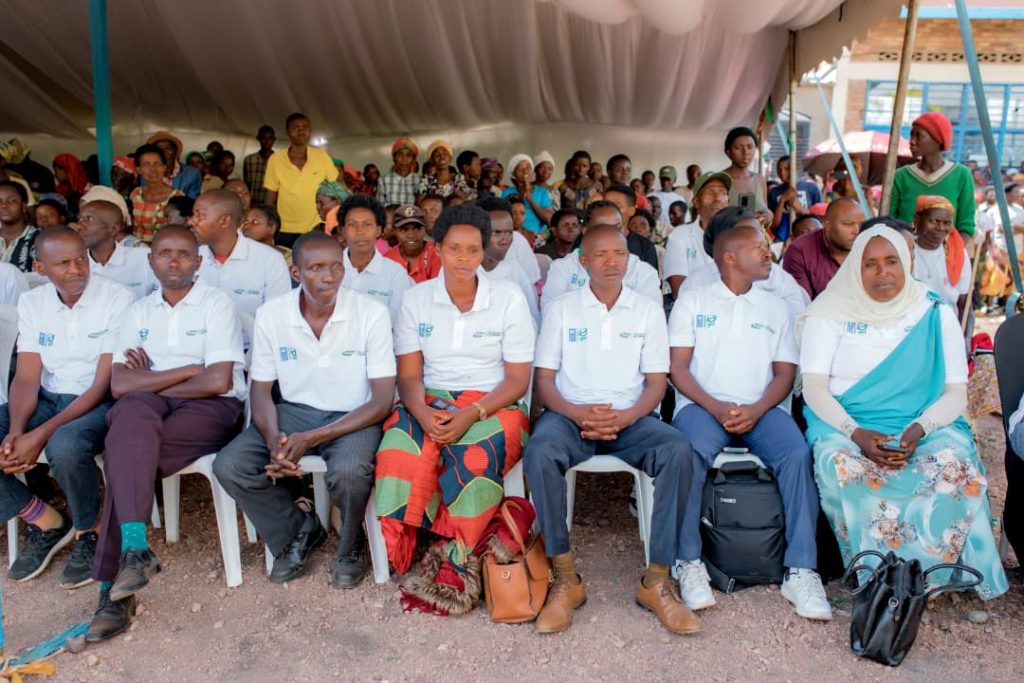
More than 415,000 people across four districts in Southern Rwanda have benefited from environmental restoration and livelihood improvement initiatives under the Green Amayaga Project, officials said on Saturday as the government officially closed the project’s first phase and launched a new $20 million second phase.
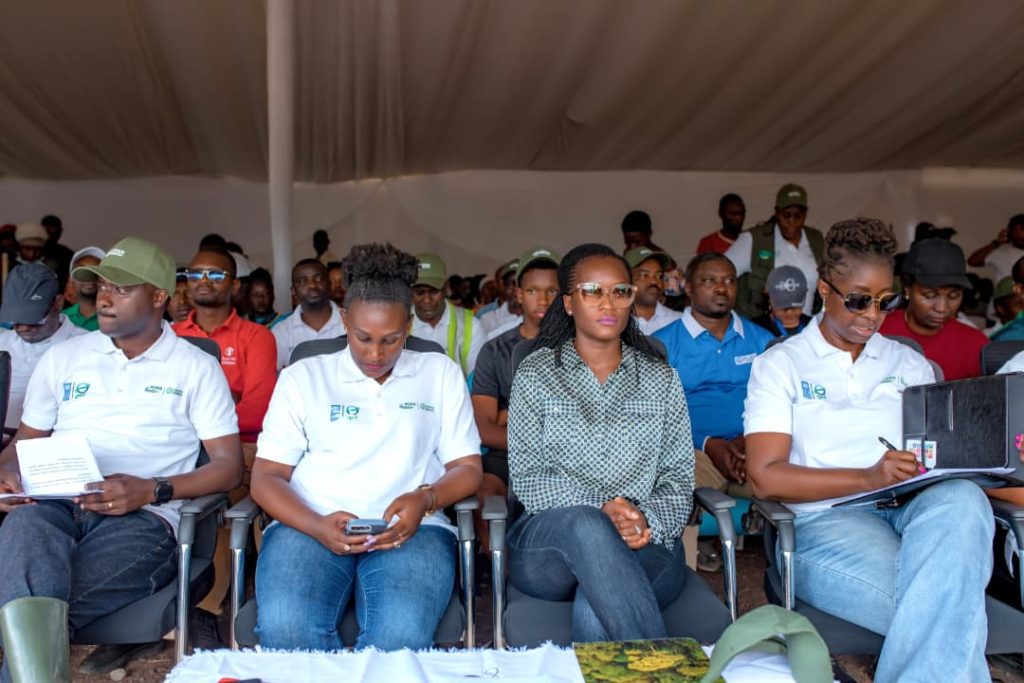
The announcement was made in Mbogo Cell, Gikonko Sector of Gisagara District during the launch of the National Environment Week, which coincided with the conclusion of the Forest Landscape Restoration (FLR) Project in the Mayaga region and the inauguration of Green Amayaga Phase II.
Implemented by the Rwanda Environment Management Authority (REMA) with funding from the Global Environment Facility (GEF) and support from the United Nations Development Programme (UNDP), the six-year project ran from January 2020 to September 2025 in Kamonyi, Ruhango, Nyanza and Gisagara districts.
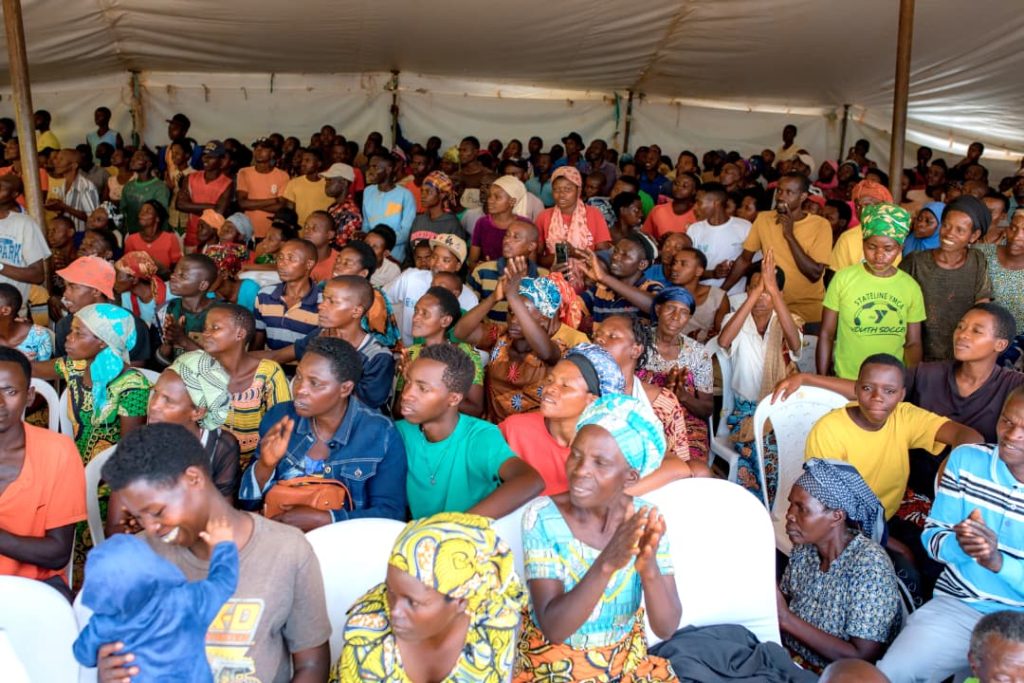
According to project figures, the initiative reached 415,960 beneficiaries, including women and youth who accounted for more than 60 percent of participants. The project also generated 100,000 green jobs while supporting environmental restoration and climate resilience efforts across the region.
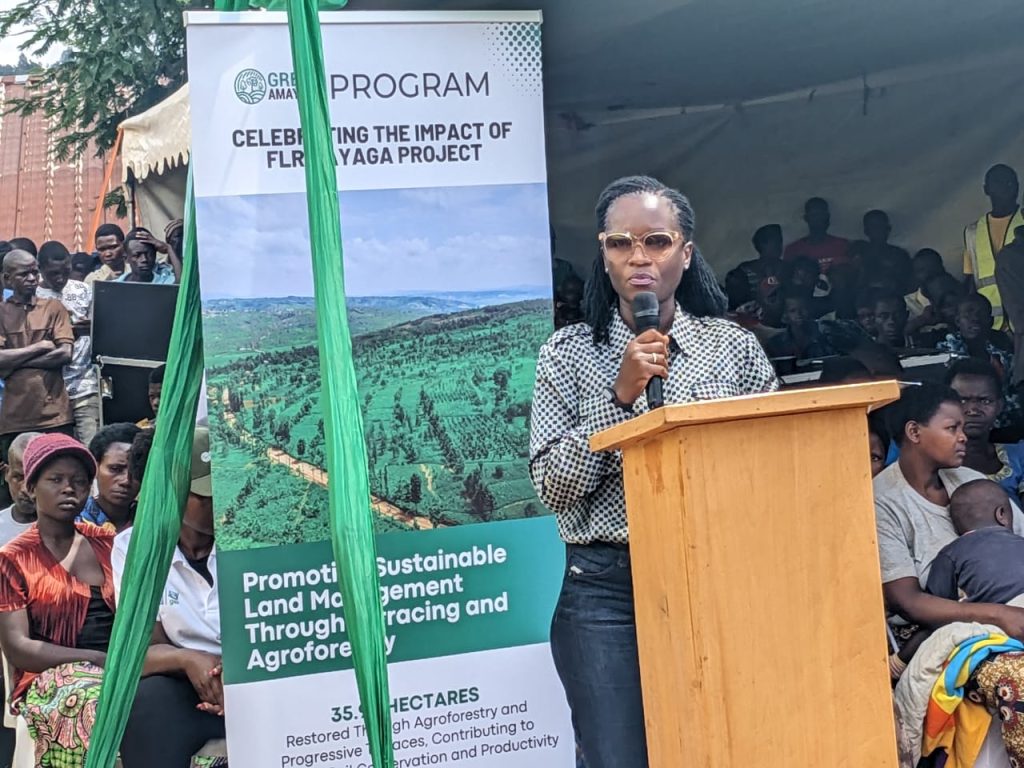
Speaking at the event, Minister of Environment, Dr. Bernadette Arakwiye said the project had delivered significant environmental and socio-economic benefits.
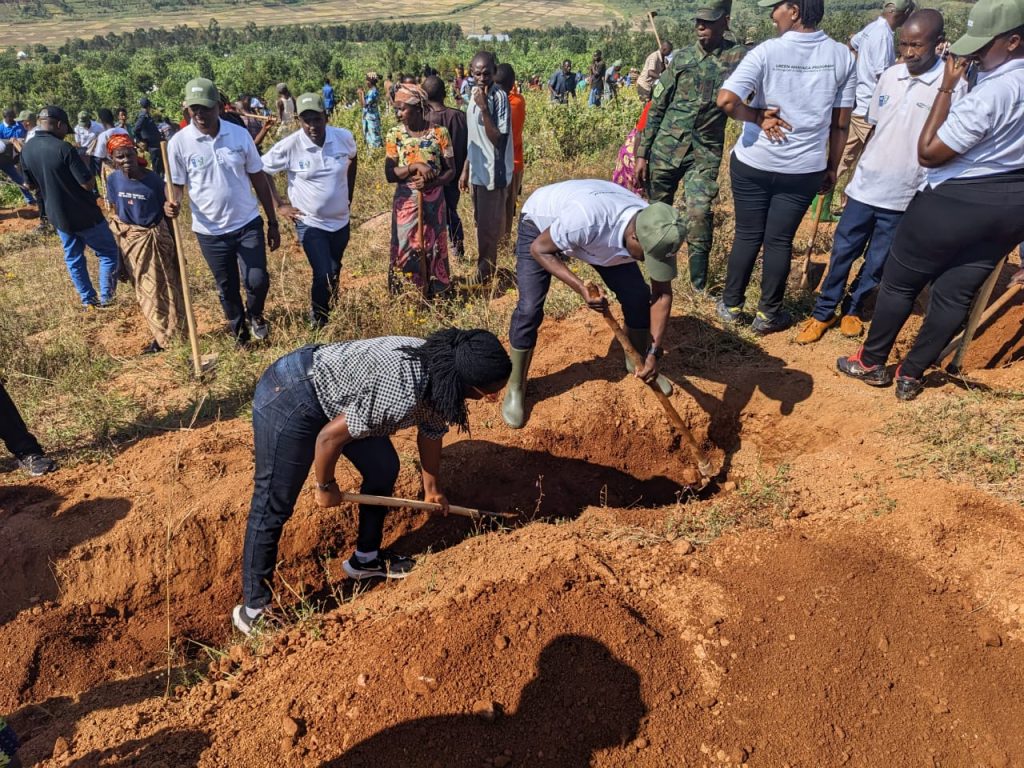
“Thousands of hectares have been restored through afforestation, agroforestry and progressive terraces. Millions of seedlings have been planted, riverbanks protected and clean cooking technologies introduced to households and schools,” she said.
Beyond restoring degraded ecosystems, she noted that the project improved community livelihoods through climate-smart agriculture, livestock distribution and income-generating activities.
“It has empowered women and youth with knowledge and skills while strengthening food security and resilience among vulnerable households,” she added.
Minister Arakwiye described the new phase as an opportunity to consolidate achievements and prevent environmental gains from being reversed.
“A new journey is beginning. The second phase we are launching today will help us preserve the achievements already made so that they do not deteriorate,” she said.
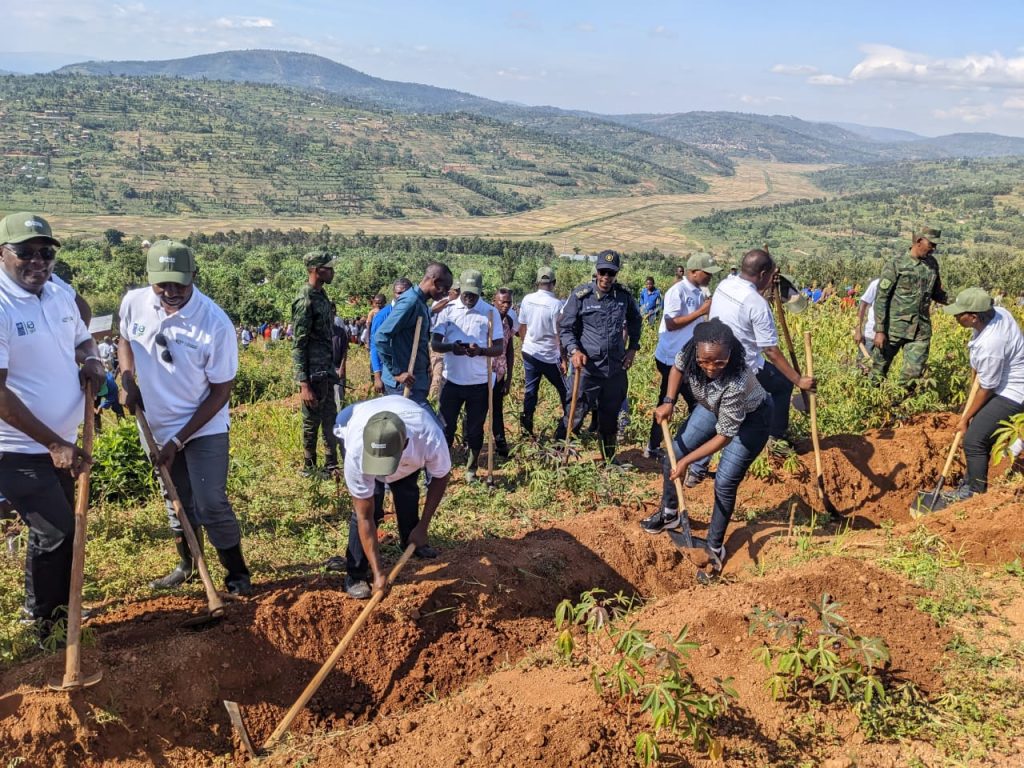
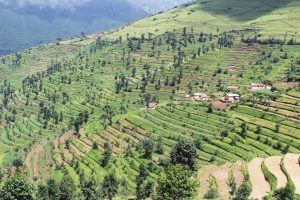
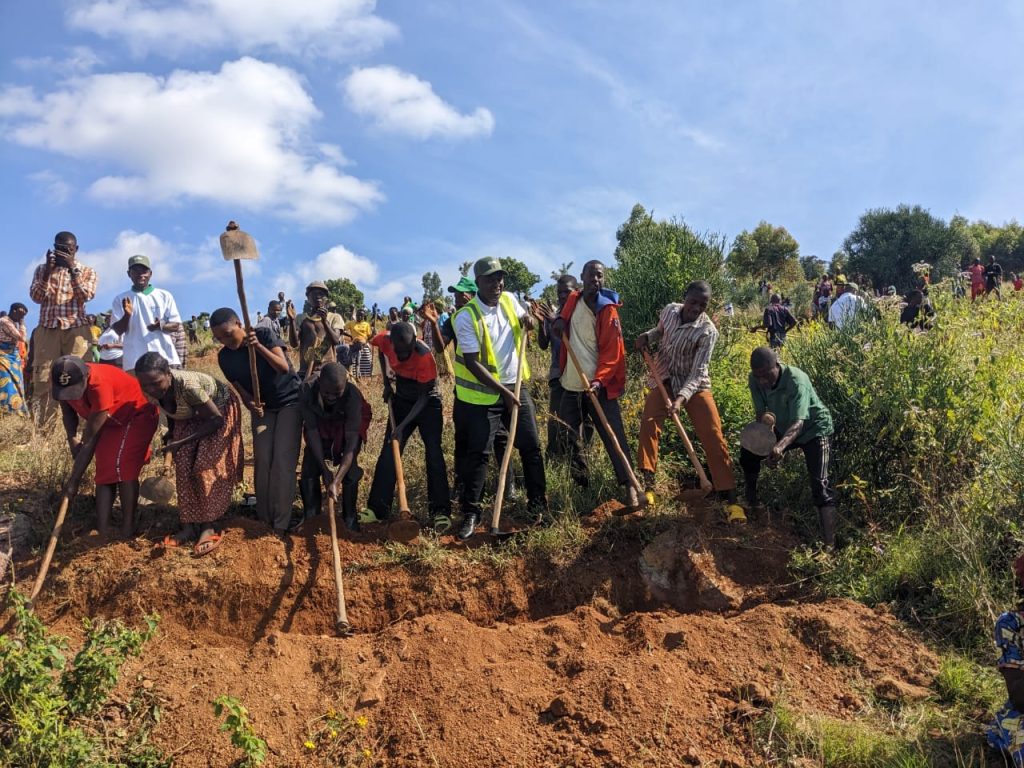
The project restored 1,838 hectares through afforestation woodlots, roadside tree planting, buffer zone protection and the establishment of a live fence around Kibirizi–Muyira Natural Forest. More than 35,900 hectares were also placed under agroforestry and sustainable land management practices, including radical and progressive terraces.
In addition, over 243,800 fruit trees, including avocado, mango, orange and macadamia trees, were distributed and planted to improve nutrition and household incomes.
The project further supported 14,000 vulnerable households with livestock, including cows, goats and pigs, while 21,000 households received improved cookstoves and 20 schools were equipped with liquefied petroleum gas (LPG) cooking systems.
Officials said the interventions helped avoid nearly 626,000 tonnes of carbon dioxide equivalent emissions over the past six years.
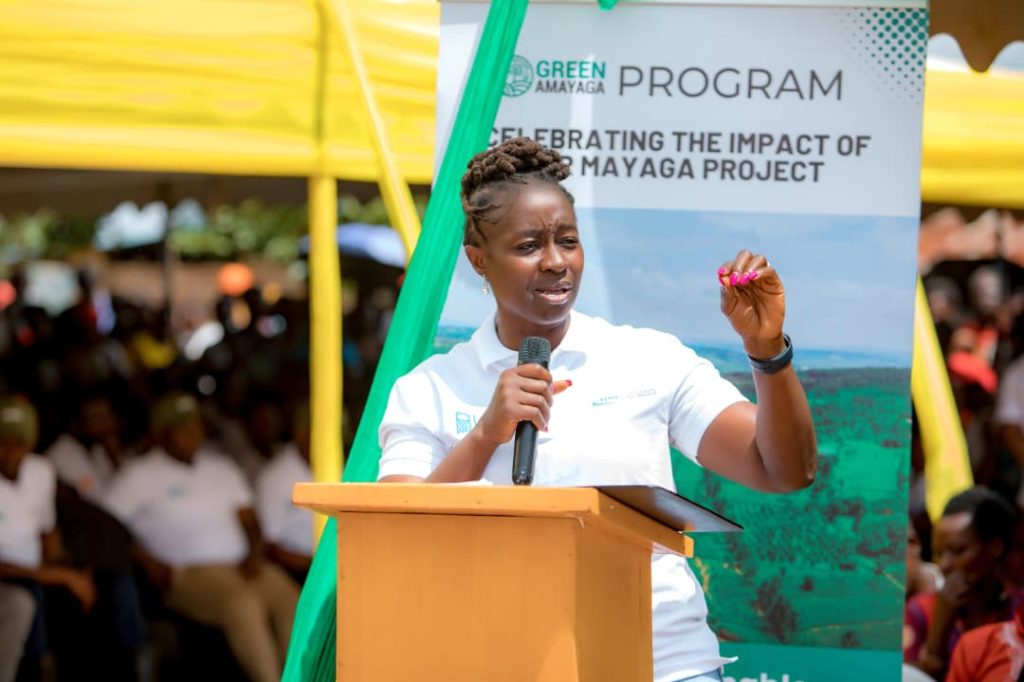
UNDP Resident Representative in Rwanda, Dr. Fatmata Lovetta Sesay, praised Rwanda’s commitment to financing and implementing the project, noting that national contributions significantly exceeded external grant funding.
“Today is important because we are celebrating, but at the same time we are marking a new beginning,” she said.
She highlighted the strong link established between environmental restoration and livelihood improvement, citing increased milk production from livestock distribution, growing fruit harvests from recently planted orchards and improved health outcomes through clean cooking technologies.
“We have shown that we can increase livelihoods while still protecting the environment,” she said.
Sesay also emphasized that the project’s achievements belonged to local communities.
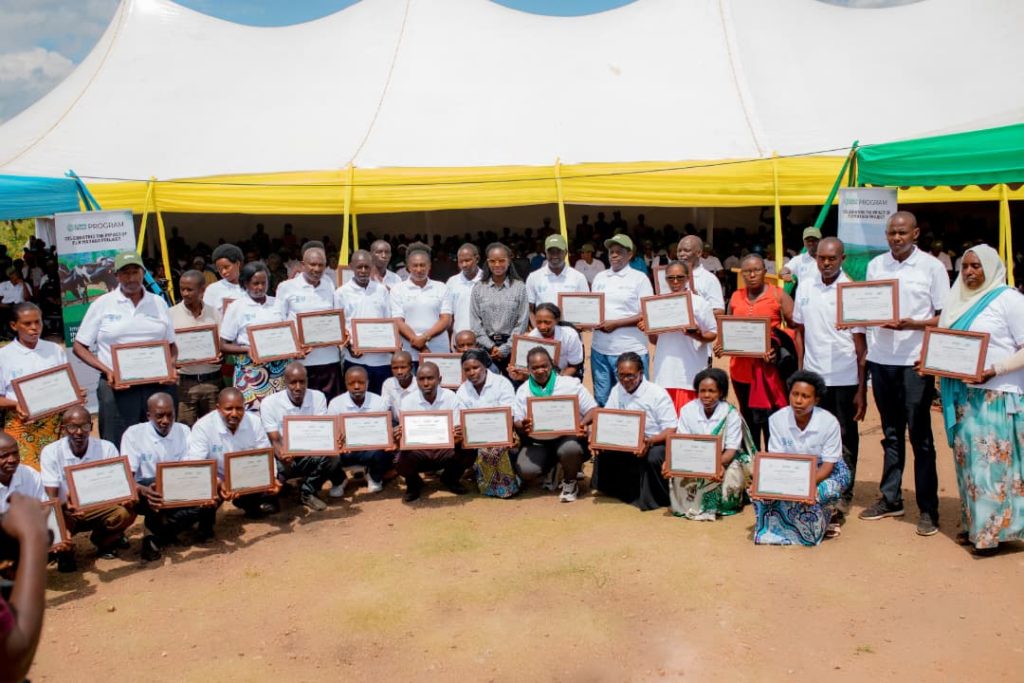
“The achievements we celebrate today are really achievements of the communities. You have translated what looks like activities on a spreadsheet into concrete results and achievements,” she told beneficiaries.
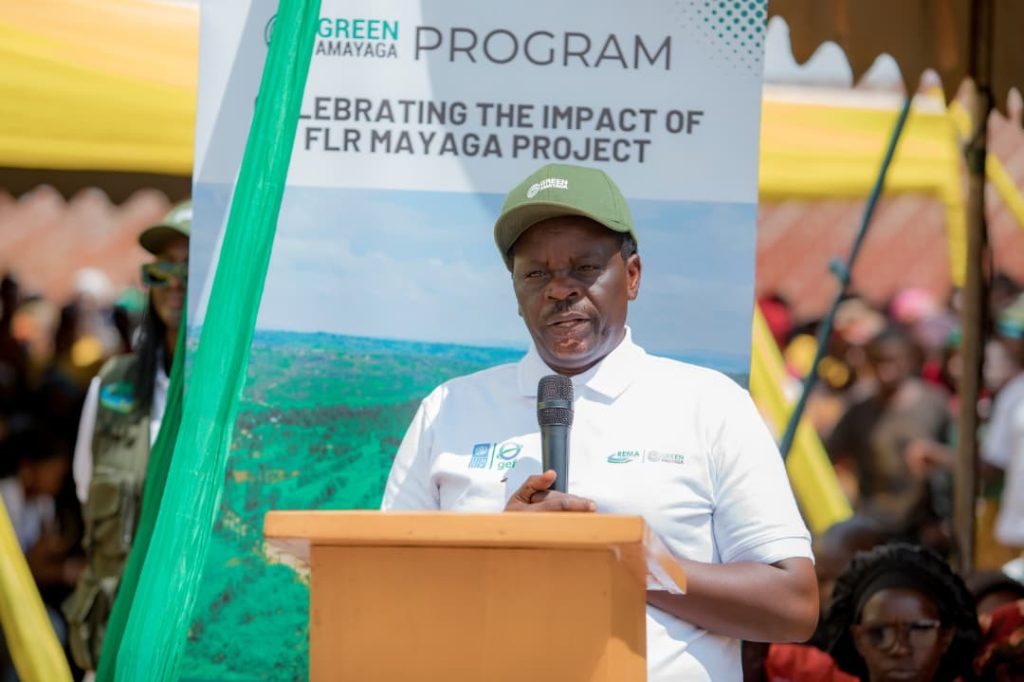
Among them is Jean Paul Birindwa, an avocado farmer from Mamba Sector in Gisagara District, who said the project transformed local agriculture despite challenging weather conditions.
“Since we started growing avocados with Green Amayaga in December 2022, we have faced difficult climatic conditions, but farmers continued to find solutions. Today, fruit growers in Gisagara are grateful for the project,” he said.
“The value of my farmland has increased. I urge project partners to continue supporting community initiatives.”
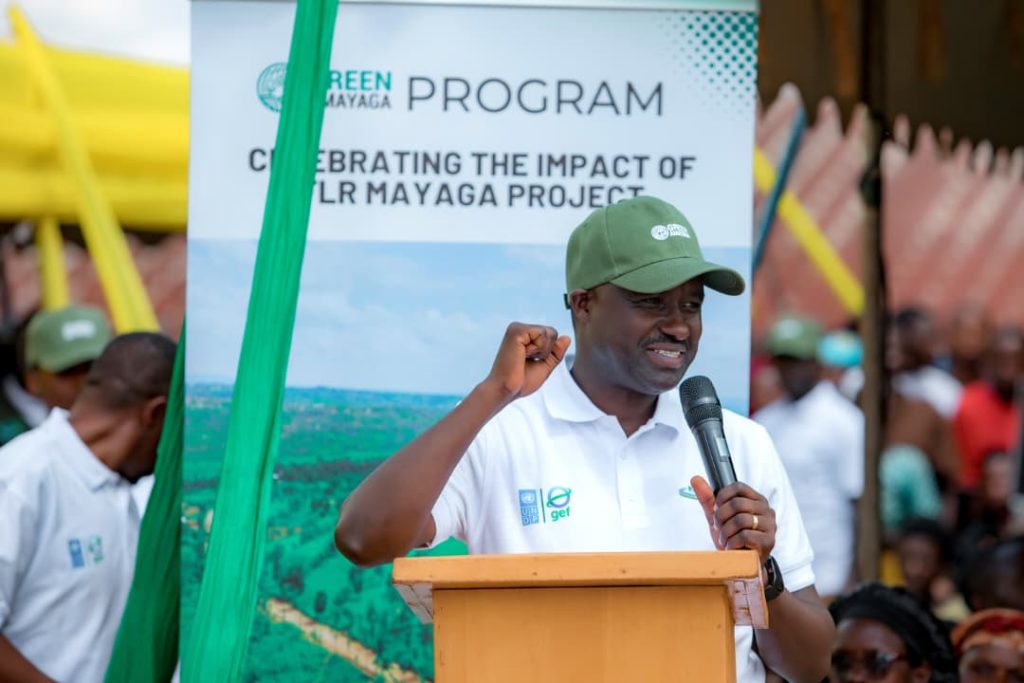
Gisagara District Mayor Jérôme Rutaburingoga said the project’s impact was visible across the district through increased tree cover and environmental improvements.
“Green Amayaga has transformed the lives of Gisagara residents in ways that can clearly be seen, starting with the trees that have been planted,” he said.
He called on residents to safeguard the gains achieved under the first phase and fully support the implementation of the new programme.
Officials announced that Green Amayaga Phase II will invest approximately $20 million over the next six years. While continuing activities in Kamonyi, Ruhango, Nyanza and Gisagara, the project will expand to include Huye and Muhanga districts.
The new phase is expected to deepen landscape restoration efforts while placing greater emphasis on value addition, job creation, climate resilience and sustainable economic opportunities for communities across the expanded project area.

About The Author


SUBSCRIBE TO OUR NEWSLETTER