Karongi Surpasses Agricultural Insurance Targets as Farmers Strengthen Climate Resilience
Karongi district has exceeded its agricultural and livestock insurance targets for the 2025–2026 season, signaling growing confidence among farmers and livestock keepers in the Government’s flagship insurance scheme, “Tekana Urishingiwe Muhinzi Mworozi.”
As climate change, animal diseases, and extreme weather continue to threaten agricultural production, hundreds of farmers in the district are increasingly turning to insurance as a critical tool for protecting their investments, securing their livelihoods, and building resilience against unforeseen losses.
The achievement was highlighted on Friday, May 29, 2026, during a large-scale awareness campaign organized by the Ministry of Agriculture and Animal Resources through the Rwanda Agriculture and Animal Resources Development Board (RAB) under its Single Project Implementation Unit (SPIU), in collaboration with the Western Province and Karongi district.
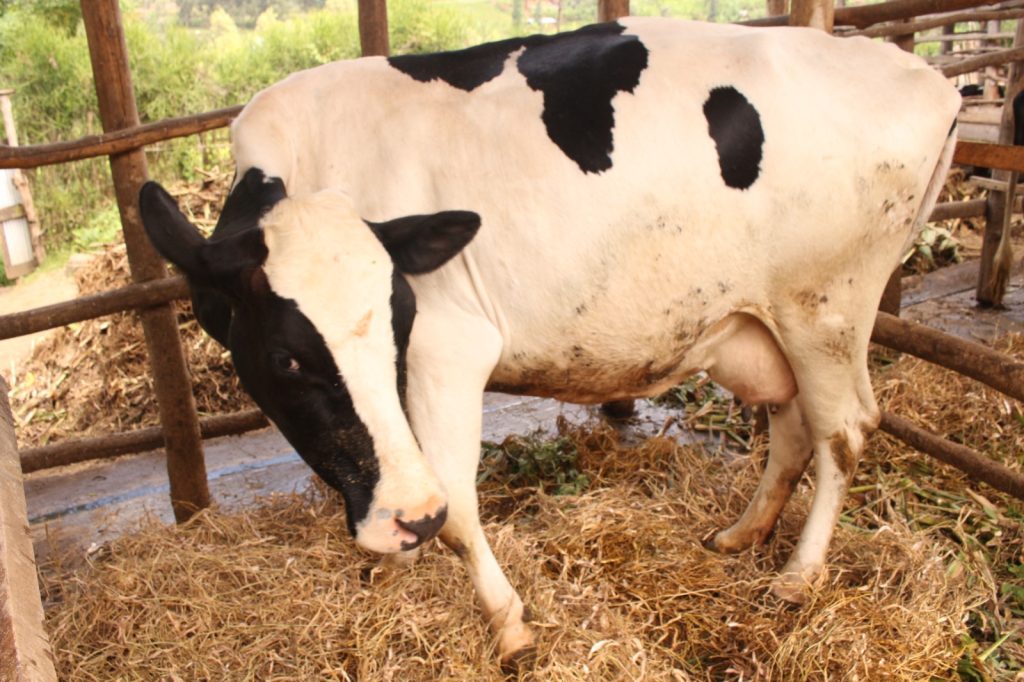
According to the district’s 2025–2026 agricultural and livestock insurance performance report, Karongi recorded remarkable progress across both crop and livestock insurance categories. Maize insurance coverage increased from 30 hectares to 39 hectares, representing 130 percent of the target, while rice insurance expanded from 20 hectares to 20.4 hectares, achieving 102 percent. In the livestock sector, insured cattle increased from a target of 793 to 810 animals, poultry insurance reached its target of 2,000 chickens, while insured pigs rose dramatically from 224 to 476, representing an impressive 213 percent achievement. Overall, the district attained 116 percent of its crop insurance target and 138.3 percent of its livestock insurance target.
Officials say these results reflect the growing trust farmers have placed in the National Agricultural Insurance Scheme (NAIS), commonly known as TEKANA Urishingiwe Muhinzi Mworozi.
The campaign brought together farmers from different sectors of Karongi to learn more about the benefits of agricultural insurance and how it can help protect them against losses caused by drought, floods, storms, pests, diseases, and other risks.
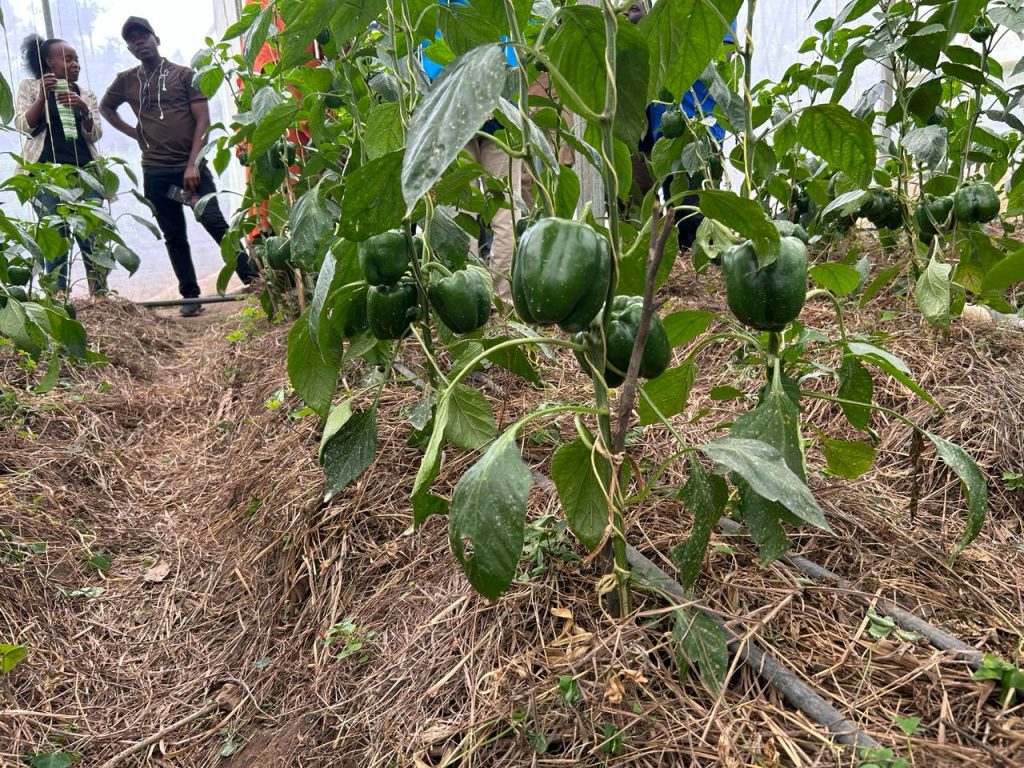
One of the major highlights of this year’s campaign was the introduction of expanded insurance coverage for greenhouse farming, one of Rwanda’s fastest-growing agricultural investments.
For years, greenhouse farming has been recognized as a highly productive and profitable agricultural practice. However, greenhouse operators have remained vulnerable to numerous risks, including strong winds, storms, pests, diseases, and damage to greenhouse infrastructure.
Under the newly expanded TEKANA insurance package, farmers can now insure not only the crops growing inside greenhouses but also the greenhouse structures themselves, production equipment, and harvested produce during transportation to market.
The new coverage has been welcomed enthusiastically by greenhouse farmers who say it addresses long-standing gaps in agricultural risk management.
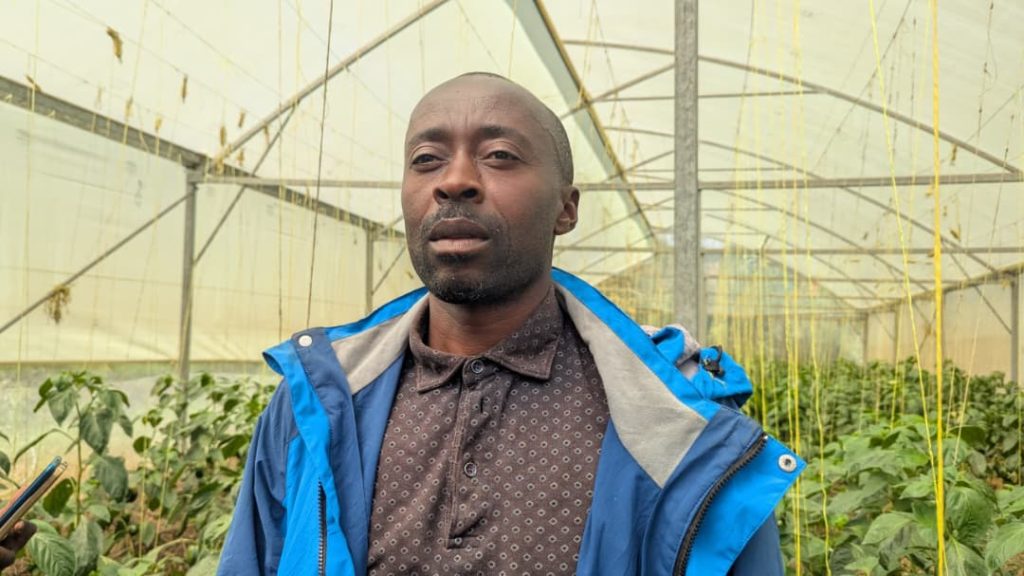
Among them is Kubwimana Jean Paul, a greenhouse farmer from Rubengera sector in Karongi district who manages a greenhouse covering more than five ares where he cultivates tomatoes, cucumbers, and capsicum. The greenhouse, provided through the Sustainable Agricultural Intensification and Food Security Project (SAIP), is valued at approximately RWF 12 million.
He explained that before the introduction of greenhouse insurance under TEKANA, available commercial insurance products mainly covered the greenhouse structure itself, leaving crops inside largely unprotected.
“Previously, we could insure the greenhouse itself, but the crops inside were not fully covered. Now we are happy because TEKANA allows us to protect the greenhouse structure, the equipment, the crops, and even the produce until it reaches the market,” Kubwimana said.
His appreciation for the new insurance package comes from personal experience.
Before greenhouse insurance was introduced, strong winds severely damaged his greenhouse, causing substantial losses. While the structure sustained damage, the destruction of the crops inside represented the greatest financial setback.
According to farmers attending the awareness campaign, greenhouse production requires significant investment, making effective risk management essential for sustainability and profitability.
They believe the new insurance product will encourage greater investment in climate-smart agriculture while reducing the financial burden caused by disasters.
Beyond crop farming, livestock farmers in Karongi are also experiencing the benefits of agricultural insurance.
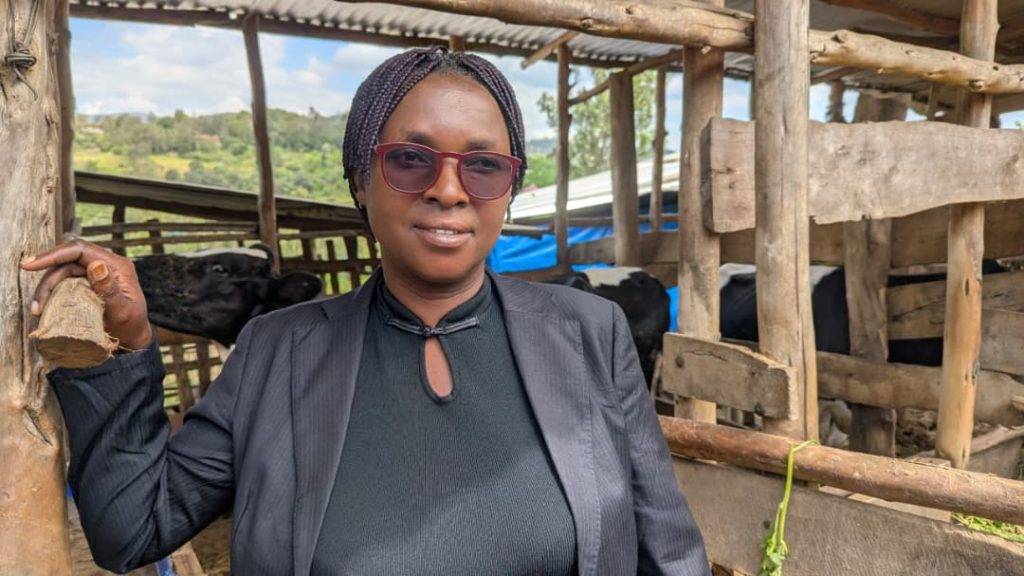
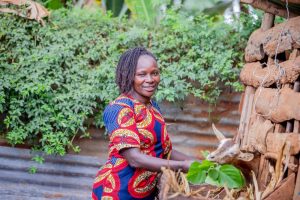
Among the beneficiaries is Josiane Nyiramisago, a progressive dairy farmer from Rubengera sector in Karongi district whose success story demonstrates how insurance can support agricultural transformation.
Her farming journey began in 2016 with a single dairy cow. Through commitment, hard work, and reinvestment of income generated from milk sales, she gradually expanded her herd to eight cows.
In 2019, she upgraded her farming operation by moving her livestock into modern cattle sheds designed to accommodate eight dairy cows. Her ambition was to earn at least RWF 1 million per month from milk production.
Recognizing the risks associated with livestock farming, she decided in 2021 to enroll her animals in the Government’s agricultural insurance scheme.
“I wanted to practice livestock farming professionally, and that is why I chose to insure my animals through the TEKANA program. Insurance protects us from financial losses when animals become sick or die. Today, I own 17 cattle, including 10 dairy cows that produce approximately 100 litres of milk every day,” she explained.
Under the livestock insurance scheme, the Government subsidizes 40 percent of insurance premiums while livestock keepers contribute the remaining 60 percent, making coverage affordable and accessible.
The insurance protects dairy cows, breeding bulls, heifers, calves older than three months, and cattle up to eight years of age against a range of covered risks.
Nyiramisago recalled an experience that strengthened her confidence in the program.
“Insuring livestock gives you peace of mind. At one point, I had a cow worth about RWF 800,000 that died unexpectedly. The insurance company compensated me within less than 14 days. As soon as I received the payment, I purchased another cow. That experience convinced me that insurance is an essential part of modern livestock farming,” she said.
Her story reflects the experiences of many livestock keepers who view insurance as a critical safeguard that enables them to invest confidently and expand their operations without fear of devastating losses.
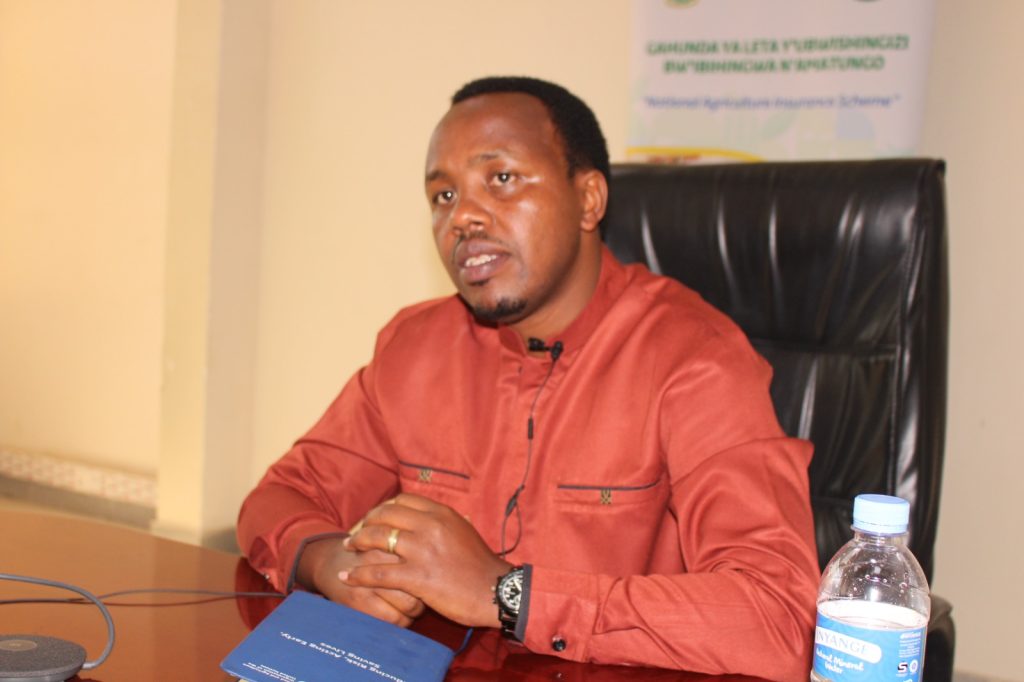
Speaking during the campaign, Museruka Joseph, Project Manager of TEKANA Urishingiwe Muhinzi Mworozi, emphasized the significant impact the program has had since its launch in 2019.
“Since the program began in 2019, steady progress has been recorded. Each year, around 50,000 cattle, over 15,000 pigs, nearly 400,000 chickens, and more than 32,000 hectares of crops are insured,” he said.
He noted that more than 200,000 farmers and livestock keepers participate in the program annually, contributing over RWF 17 billion in insurance premiums.
According to Museruka, insurance providers have already paid approximately RWF 9.5 billion in compensation to farmers affected by disasters and insured risks, demonstrating the program’s effectiveness in safeguarding agricultural investments.
He urged farmers who have not yet joined the scheme to enroll, stressing that disasters can occur unexpectedly and that insurance remains one of the most reliable tools for reducing vulnerability.
Rwanda continues strengthening agricultural resilience and promoting climate-smart farming practices, Karongi’s performance offers a clear indication of the growing acceptance of agricultural insurance among farmers and livestock keepers.
With insurance coverage expanding to protect crops, livestock, greenhouses, equipment, and harvested produce, farmers are increasingly viewing TEKANA not merely as a compensation mechanism but as a strategic investment in the future of their enterprises.
The district’s impressive achievement of surpassing both crop and livestock insurance targets demonstrates how awareness, government support, and farmer participation are combining to build a more resilient agricultural sector one capable of withstanding shocks while creating opportunities for sustainable growth and prosperity.
About The Author


SUBSCRIBE TO OUR NEWSLETTER