U.S. Signals Major Policy Pivot on Africa: New Strategy Prioritizes National Interests, Sovereignty, and Commercial Deals
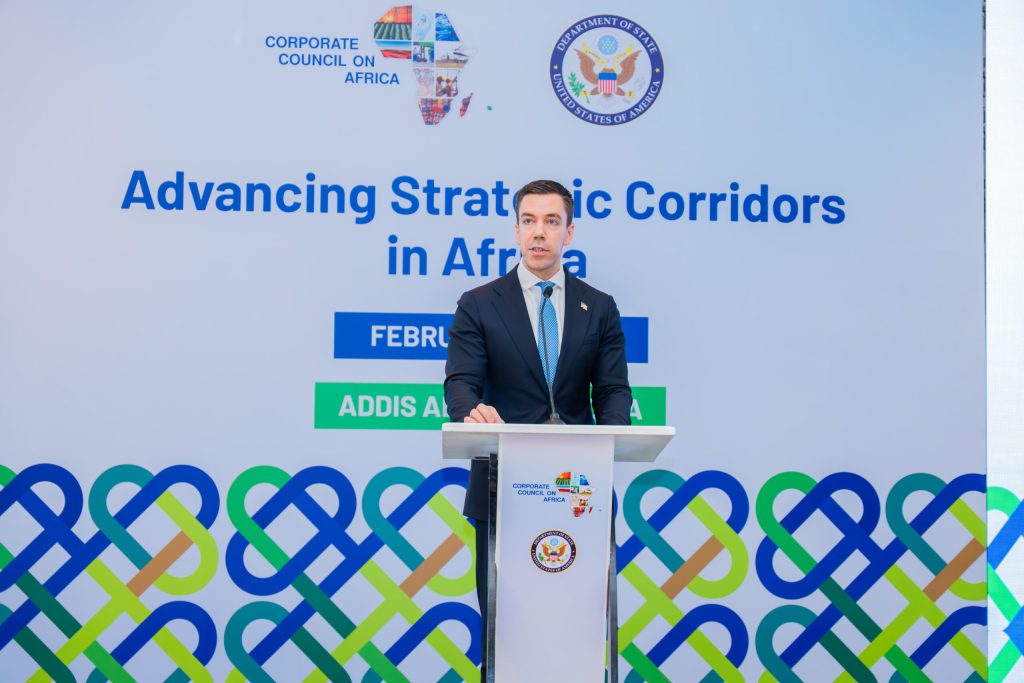
WASHINGTON, DC—The United States has fundamentally reset its engagement with Africa, shifting away from inherited frameworks that previously viewed the continent primarily through a “development only lens”. This was the core message delivered by Nick Checker, Deputy Assistant Secretary for the Bureau of African Affairs, in his opening remarks at the Africa Day Forum on June 1, 2026.
In what he stated would be his final engagement as Senior Bureau Official, Checker outlined a new U.S. approach under President Trump and Secretary Rubio, defined by a “disciplined, pragmatic, and interest-driven strategy rooted in flexible realism”. This strategy focuses on advancing concrete U.S. national interests—security, commercial, and migration—and is grounded in the principle of reciprocity and mutual respect.Critique of Past U.S. Engagement
Checker sharply criticized the last 30 years of U.S. policy in Africa, arguing that previous administrations often “chose to impose divisive ideology in place of strategy” and provided “conditions and lectures where partners expected investment, trade, and infrastructure”. This approach was characterized by “high-minded rhetoric, low conversion into stability, growth, or durable influence”.
He asserted that this policy, by frequently announcing new initiatives “devoid of any resourcing,” led to “apathy from the African continent” and caused U.S. words to “ring hollow”.Core Pillars of the New Strategy
The Deputy Assistant Secretary detailed the specific principles guiding the Trump Administration’s engagement:
- Sovereignty: National sovereignty is “at the core” of the new approach, reflecting a rejection of “arrogant paternalism” and the idea that the U.S. should moralize the domestic politics of foreign nations without a direct benefit to U.S. interests.
- Commercial Diplomacy and Investment: The new strategy recognizes Africa’s enormous economic potential, including a projected purchasing power exceeding $16 trillion in just over 20 years. The U.S. is seeking a partnership based on trade, investment, and mutually beneficial cooperation, prioritizing resources in critical minerals, strategic infrastructure, and markets offering commercial opportunities for U.S. firms. Since the start of the administration, U.S. teams have directly supported over 60 deals worth more than $25 billion. A specific collaboration is the Strategic Infrastructure and Investment Working Group, launched with the African Union Commission (AU Commission).
- Security: The U.S. is moving away from “open-ended interventions” and is now narrowly focused on preventing catastrophic attacks against the U.S. Homeland. Future security assistance will prioritize cooperating with African nations demonstrating the commitment and capacity to lead in addressing their own security gaps.
- Foreign Assistance: Assistance is now viewed not as “charity,” but as a “tool of American diplomacy and statecraft,” where every taxpayer dollar must be “directly justified” on the terms of advancing U.S. interests.
- Strategic Competition: The U.S. is prepared to accept Africa’s strategic choice to “hedge” rather than engage in “zero-sum competition everywhere” with actors like China and Russia. The focus will instead be on showcasing the American value proposition—reliability, transparency, and follow-through—to win through predictable, transactional cooperation.
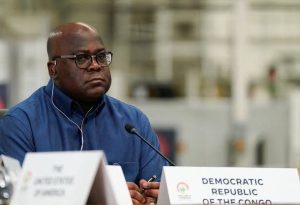
- Peace Efforts: Checker highlighted the administration’s deal-making agenda, citing the signing of the Washington Accords between the DRC and Rwanda in December and Senior Advisor Boulos’s “concerted effort” to end the conflict in Sudan.
Checker concluded his remarks by urging Africans to reject “Third-Worldist logic” which he claimed “flattens” complex societies into symbolic categories and displaces “internal accountability” with “external blame”.
About The Author


SUBSCRIBE TO OUR NEWSLETTER