The Importance of Effective Communication in Public Relations and Communication professionals

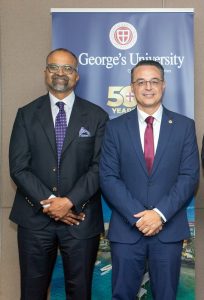
HABIMANA Jean Claude is Science Communications Expert.
Effective communication is the process of exchanging ideas, thoughts, opinions, knowledge, and data so that the message is received and understood clearly and purposefully.
There are a numerous of reasons and benefits of effective communication.
🍁 Effective communication ensures that everyone is on the same page and that there is no confusion about tasks, goals, or expectations.
🍁 Effective communication reduces wasted time and resources.
🍁 Effective communication promotes collaboration and cooperation among team members, leading to a more cohesive and effective team.
🍁 Effective communication enables individuals to share information, ideas, and perspectives, which leads to better and more informed decision-making.
🍁 Effective communication helps build trust and mutual understanding, which leads to stronger relationships within the organization.
Effective communication remains one of the most critical competencies for public relations and communication professionals, particularly in a media environment where information spreads rapidly and public perception can shift within minutes.
Unlike many other fields, PR professionals operate at the intersection of organizations and their audiences, acting as the primary channel through which messages are shaped, delivered, and interpreted. In this role, clarity, consistency, and credibility are not optional qualities but essential requirements for maintaining trust and protecting reputation.
At the core of public relations practice is the ability to communicate effectively across diverse audiences, including clients, journalists, employees, stakeholders, and the general public. Every message issued by an organization contributes to how it is perceived, meaning that communication must be intentional and strategically aligned with organizational goals. When communication is effective, it strengthens relationships, builds trust, and enhances public understanding.
However, when communication is poorly managed or inconsistent, it can lead to confusion, reputational damage, and in some cases, long-term loss of public confidence. In crisis situations especially, delayed or unclear messaging can escalate issues and amplify negative attention, demonstrating how essential timely and accurate communication is in professional practice.
Successful communication in public relations also depends heavily on interpersonal skills.
Professionals must be able to listen actively to clients and stakeholders in order to fully understand concerns, expectations, and emerging issues. This ability to listen and interpret feedback is central to shaping appropriate responses and crafting messages that resonate with target audiences. In addition, verbal communication must be adapted to different contexts, whether addressing the media in a formal press briefing, engaging in internal organizational discussions, or responding to public inquiries.

Tone, language choice, and delivery all influence how messages are received and interpreted.
Nonverbal communication also plays a significant role in shaping perceptions. Body language, facial expressions, posture, and vocal tone can reinforce or undermine spoken messages, particularly in high-pressure environments such as interviews or crisis announcements. A composed and confident presence can help establish credibility, while inconsistency between verbal and nonverbal cues may create doubt or misinterpretation.
As communication increasingly takes place through digital platforms, written communication has become equally important. Press releases, official statements, reports, and social media content must be carefully crafted to ensure accuracy, clarity, and alignment with organizational voice. Errors or ambiguities in written communication can quickly escalate, especially in environments where content is widely shared and scrutinized.
Another essential aspect of professional communication is the ability to educate and frame messages in ways that are accessible to different audiences. Public relations professionals often translate complex organizational information into clear, relatable narratives that the public can understand. This requires not only technical writing ability but also a strong sense of audience awareness and storytelling. When audiences understand a message clearly, they are more likely to engage positively and trust the organization behind it.
Building and maintaining relationships is also central to the profession. Whether working with journalists, influencers, or internal teams, communication professionals must establish consistent and authentic engagement over time. Trust is not built through isolated interactions but through sustained transparency, reliability, and accountability. In this sense, credibility becomes one of the most valuable assets in public relations, as it determines how messages are received and whether they are believed.
Cultural awareness further strengthens communication effectiveness in an increasingly globalized environment. Public relations professionals often work across different regions and cultural contexts, requiring sensitivity to language, values, and social norms. Messages that are effective in one context may be misunderstood or even offensive in another, making cultural intelligence an essential component of modern communication strategy. Alongside this, emotional intelligence and empathy help professionals anticipate how audiences may feel in response to messages, particularly during sensitive situations or organizational crises.
Despite these competencies, communication barriers remain a constant challenge. Technical issues, information overload, and fragmented communication channels can distort messages before they reach intended audiences. Social and cultural differences may also lead to varying interpretations of the same message, while psychological factors such as bias, stress, or misinformation can further complicate how communication is received. For communication professionals, addressing these barriers requires not only technical solutions but also strategic foresight, consistency in messaging, and a commitment to transparency.
Ultimately, effective communication in public relations is not simply about transmitting information but about shaping understanding, building trust, and managing relationships in a complex and rapidly evolving information landscape.
The professionals who excel in this field are those who can combine clarity of message with adaptability of approach, ensuring that communication remains effective even under pressure and uncertainty.
About the writer
Jean Claude Habimana is a science communication expert specializing in nature-based solutions, One Health, clean water, renewable energy, sustainable agriculture, gender and youth development, food systems, biotechnology, the circular economy, and policy brief development.
About The Author


SUBSCRIBE TO OUR NEWSLETTER