Rwanda Increases Water Budget as Ageing Infrastructure Continues to Challenge Access
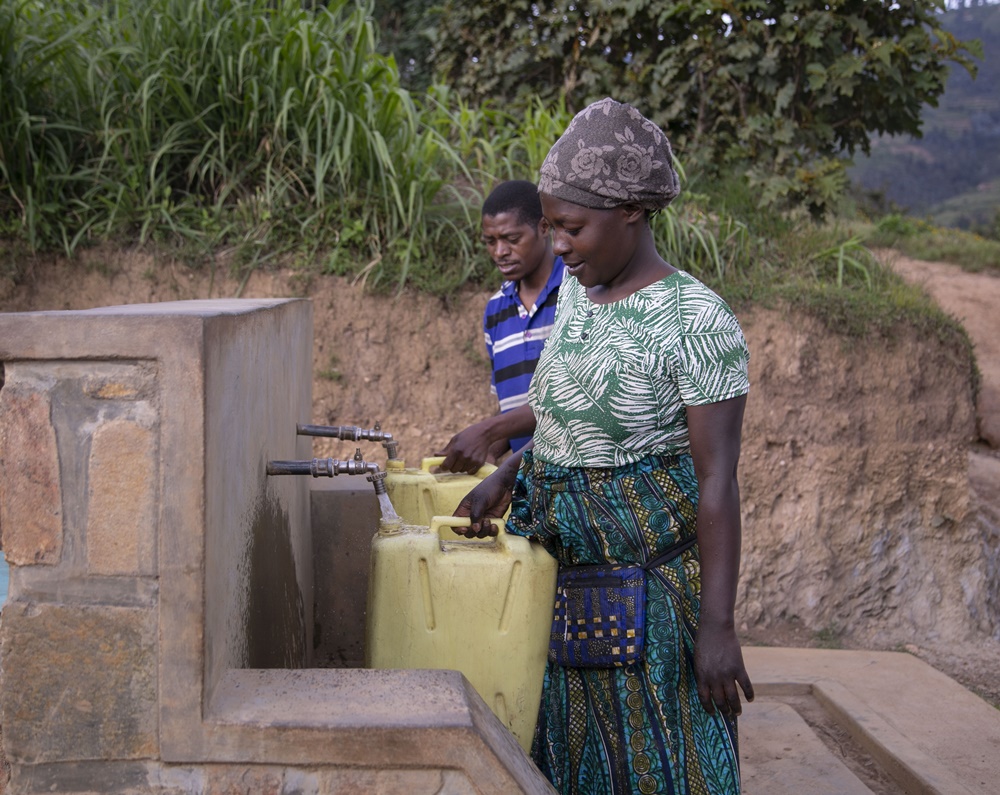
Despite increasing government investment in water and sanitation infrastructure, many Rwandan communities continue to face water shortages, ageing pipelines, and inconsistent supply.
The challenge persists even as the government has steadily increased funding for the sector, allocating Rwf138 billion to water and sanitation in the 2026/27 fiscal year, up from more than Rwf126 billion in 2025/26 and Rwf107.9 billion in 2024/25. The funding is intended to expand water production, rehabilitate ageing infrastructure, extend supply networks, and improve sanitation services across the country.
However, findings from parliamentary field visits indicate that many communities still struggle with insufficient water supply, deteriorating infrastructure, limited storage capacity, and irregular distribution.
For residents like Claudette Mukanabana, a 43-year-old farmer from Kamegeri Sector in Nyamagabe District, the challenge goes beyond statistics and budgets.
“For years, we walked over two hours to fetch water from a stream that would often dry up during the dry season. I have lost count of how many times my children fell sick because the water was not clean. Hearing that they are fixing our pipeline gives me so much hope because we had waited for too long to access clean water, and it could also save me so much time,” she said.
Marie Claire Nyinawayezu, a Community Health Worker from Kamabuye Sector in Bugesera District, said reliable access to clean water remains critical for improving public health.
“Fixing the water system and everyone getting access to clean water would actually save lives, especially children who are most vulnerable to diseases like diarrhoea,” she said.
Their experiences reflect concerns raised by Members of Parliament during a recent parliamentary session on issues identified through field visits across the country.

Lawmakers reported widespread challenges in water distribution systems, including ageing pipelines that require rehabilitation or replacement, insufficient water reaching households, limited storage capacity at treatment facilities, and inconsistencies in water distribution.
Progress Recorded, Challenges Remain
The difficulties persist despite notable progress in access to water and sanitation services.
According to the National Institute of Statistics of Rwanda (NISR), access to improved drinking water sources increased nationally from 87 percent in 2016/17 to 90 percent in 2023/24. Access to improved sanitation facilities rose from 86 percent to 94 percent during the same period.
The data shows that urban areas continue to enjoy better access than rural communities. Access to improved drinking water sources stands at 97 percent in urban areas compared to 87 percent in rural areas.
Nationally, 27 percent of households are within a four-minute walk of an improved drinking water source, while 61 percent are within a 14-minute one-way walking distance.
However, NISR data also points to persistent obstacles. The most common reason households do not use the nearest drinking water source is the non-functionality of water facilities, accounting for 45 percent of reported cases. The cost of water follows at 21 percent, while the Eastern Province records the highest proportion of non-functioning water sources at 60 percent.
The figures suggest that while access has expanded over time, reliability and functionality remain major concerns in several communities.
Causes Behind Persistent Water Supply Challenges
According to water sector officials, ageing infrastructure remains one of the biggest barriers to reliable water service delivery.
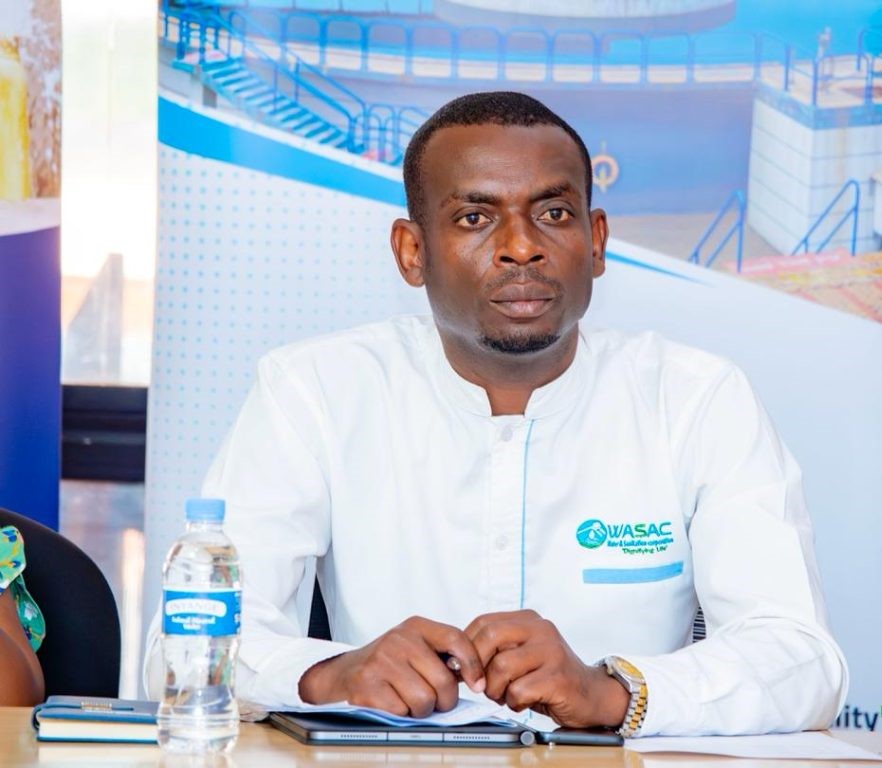
Robert Bimenyimana, the Water and Sanitation Corporation (WASAC) Group Spokesperson, said many underserved communities are being prioritised under the government’s strategy to achieve universal access to clean water by 2030 through the Second National Strategy for Transformation (NST2).
“The aim is to extend clean water access to all citizens, especially in underserved rural communities,” Bimenyimana said.
He noted that many rural water systems have historically suffered from poor maintenance, ageing infrastructure, and weak management systems.
“Historically, rural water supply systems were managed by private operators under the supervision of local governments, while WASAC’s mandate was limited primarily to urban areas,” he explained.
According to Bimenyimana, many systems were built decades ago and have not been upgraded to meet growing demand. Other contributing factors include shortages of spare parts and skilled technicians, environmental shocks such as floods, landslides and droughts, as well as illegal connections and vandalism.
These challenges, he said, have contributed to water losses and service interruptions in various parts of the country.
Government Steps Up Investment
To address the challenges, the government has significantly increased spending on water and sanitation infrastructure over the past three years.
The Rwf138 billion allocated to the sector in the 2026/27 budget forms part of the government’s broader Rwf7.8 trillion national budget.
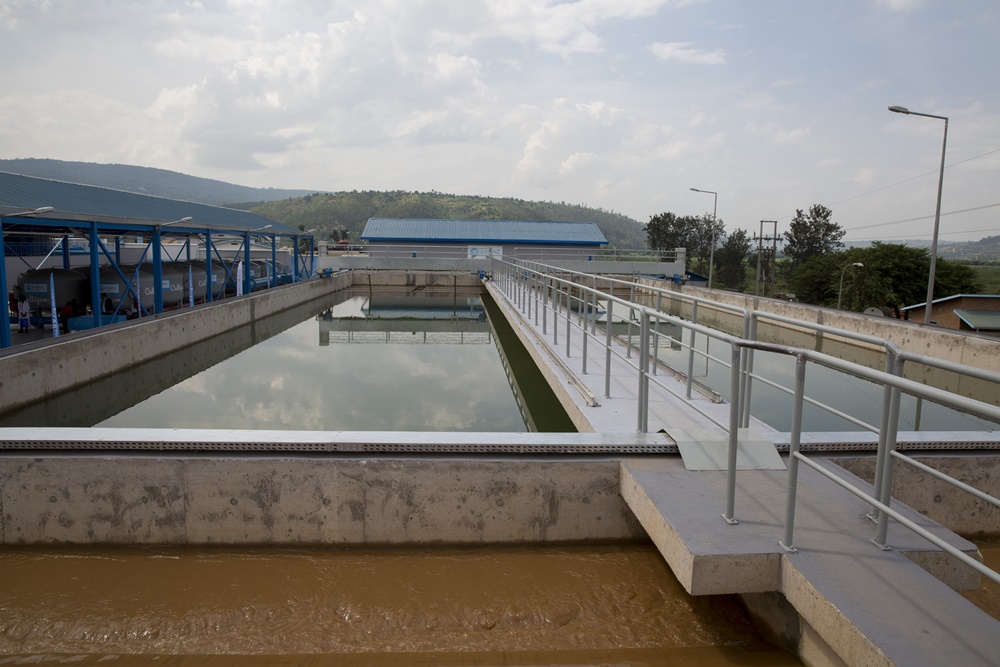
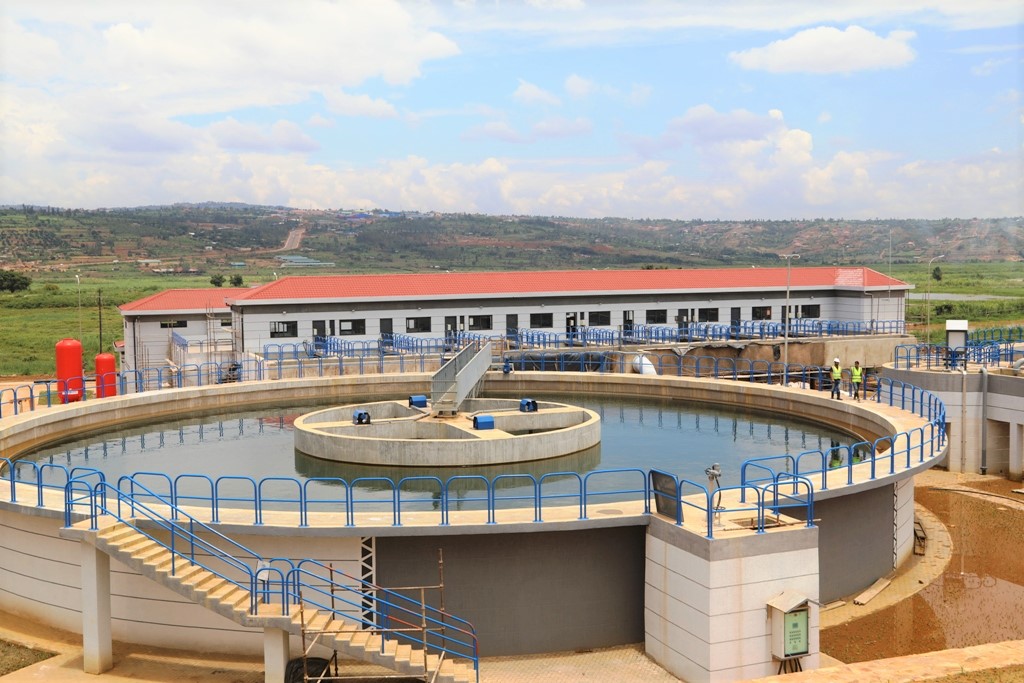
The funding will support major projects including the expansion of the Kanzenze and Karenge water treatment plants, rehabilitation of rural water systems, extension of water supply networks, improvement of the Kigali Centralized Sewerage System, and development of the Nduba modern landfill.
During the parliamentary session, former Minister of Infrastructure Jimmy Gasore said the government had already embarked on extensive rehabilitation and expansion works through WASAC.
“We have identified areas where infrastructure is old or insufficient, and restoration is ongoing. A total of 67 water channels in 11 districts are being rehabilitated, prioritising areas with the most ageing and non-operational systems,” Gasore told Parliament.
He also revealed that 55 additional water channels are being developed in 11 districts with high stunting rates through a partnership involving WASAC and the Rwanda Biomedical Centre (RBC).
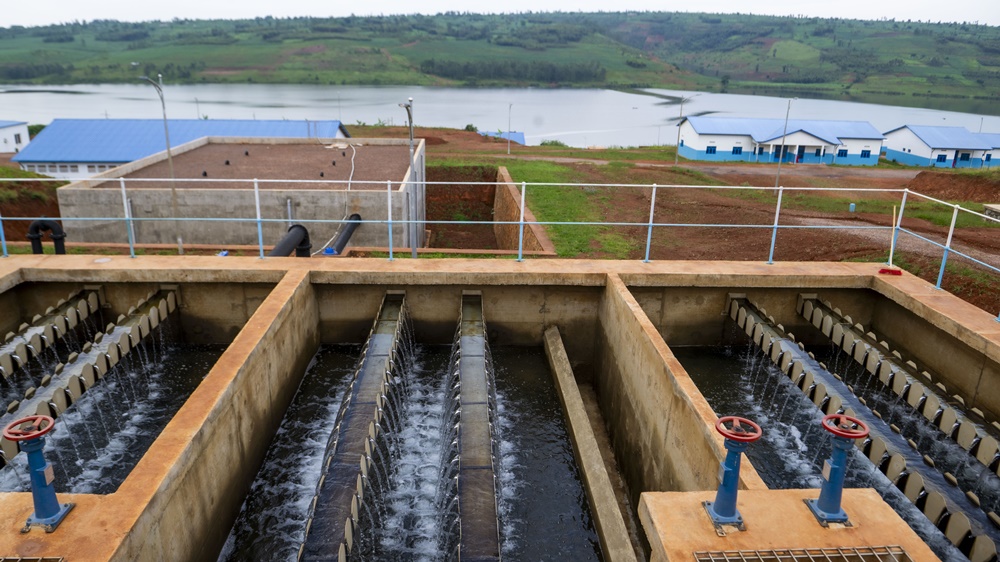
Several large-scale projects are currently underway. These include the Sake Water Treatment Plant in Ngoma District, expected to produce 11,000 cubic metres of water per day, the expansion of the Mutobo Water Treatment Plant in Musanze District, the Muhazi II project in Rwamagana District, and the Musogoro project in Karongi District.
The rehabilitation of the Karenge Water Treatment Plant is expected to increase production capacity from 12,000 cubic metres to 48,000 cubic metres per day, while the Nzove Water Treatment Plant is expected to help ease water shortages in Kigali upon completion.
MPs Raise Concerns Over Sustainability
Despite the ongoing investments, lawmakers questioned whether current interventions are sufficient to address long-standing challenges.
Some MPs expressed concern about connecting households to water systems that already have limited supply capacity, warning that new connections could worsen shortages in certain areas.
Others raised concerns about water losses caused by ageing infrastructure, leaks and inefficiencies within the network, arguing that reducing non-revenue water should remain a priority.
The concerns underscore the importance of ensuring that increased public spending translates into reliable services for citizens rather than simply expanding infrastructure on paper.
Beyond Water Supply
Government investment is also targeting sanitation and waste-management infrastructure.
According to Gasore, WASAC has constructed 382 public toilets in markets, schools, health facilities and commercial centres since 2019.
An additional 32 public toilet facilities comprising 400 rooms are planned across eight districts, including Karongi, Rutsiro, Kayonza, Gatsibo, Huye, Gisagara, Gicumbi and Nyaruguru.
The government is also developing modern landfill facilities in Kigali’s Nduba Sector as well as in Musanze, Rubavu, Rusizi and Karongi, while waste-treatment facilities are being established in several districts to strengthen environmental protection and public health.
From Budget Allocations to Better Services
For many households, the true value of increased public investment will not be measured by the size of the budget or the number of projects announced.
Instead, it will be measured by whether clean water becomes consistently available closer to their homes, whether children are protected from waterborne diseases, and whether communities spend less time searching for water and more time on productive activities.
As Rwanda continues investing billions of francs in water and sanitation infrastructure, the challenge now is ensuring that every franc spent translates into reliable services that improve citizens’ daily lives.
About The Author


SUBSCRIBE TO OUR NEWSLETTER