Kirehe Farmers Hail SAIP II Knowledge-Sharing session for Unlocking New Irrigation and Cooperative Management Skills
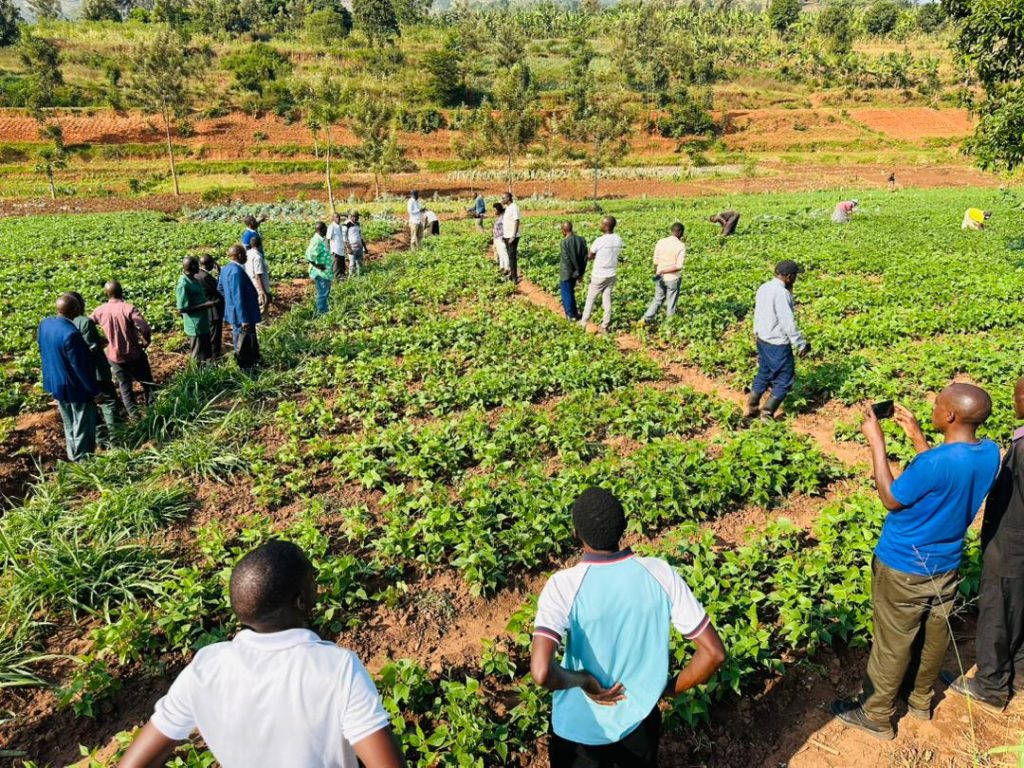
Farmers from Kirehe District have expressed satisfaction and renewed optimism after participating in a knowledge-sharing organized under the Second Sustainable Agricultural Intensification and Food Security Project (SAIP II), saying the experience equipped them with practical skills that could significantly improve irrigation management, agricultural productivity, and cooperation among farmers back home.
They highlighted it during a knowledge-sharing sessions organized on June 23, 2026, which brought together farmers, cooperative leaders, and Water User Association representative through RAB in collaboration with Eastern Province, Rwamagana and Kirehe district to learn from the experiences of the Cyaruhogo and Kanyonyomba Irrigation Schemes.
The knowledge-sharing is part of SAIP II’s broader objective of promoting the exchange of experiences and best agricultural practices among farmers through study tours, workshops, and field demonstrations. Through such initiatives, the project aims to strengthen farmers’ capacities to adopt modern agricultural technologies and climate-smart farming practices.
Among the participants was Nkurunziza Vincent, a farmer from Kirehe District, who described the tour as an eye-opening experience that provided valuable lessons on irrigation management and collaboration between cooperatives and Water User Associations.
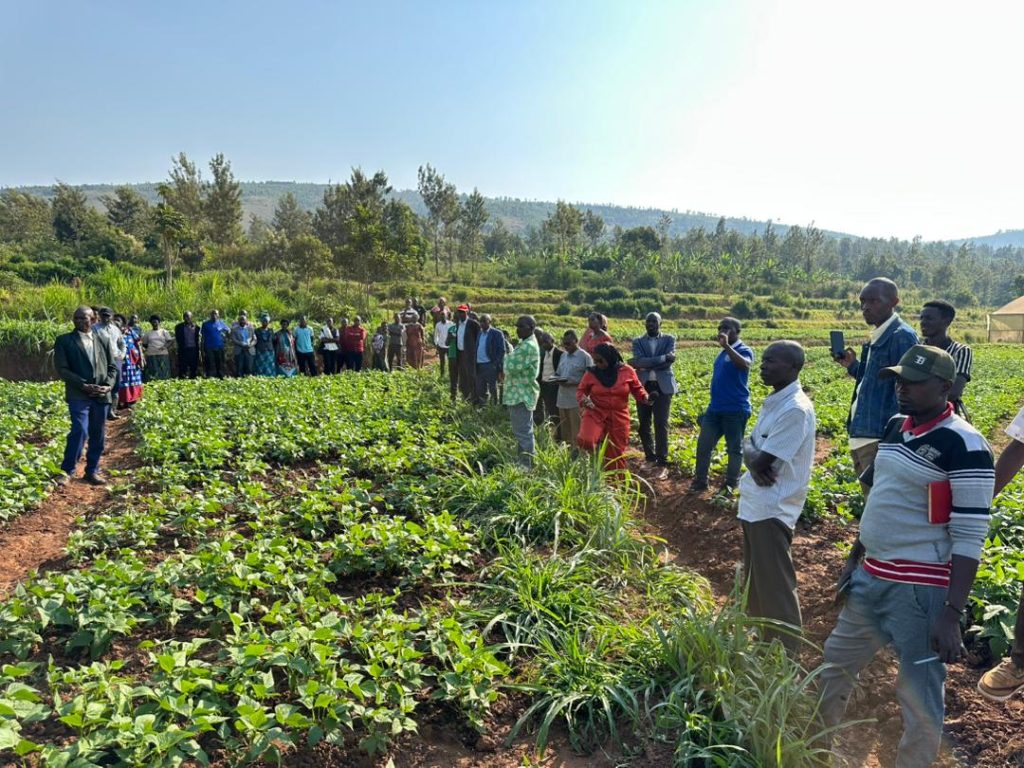
According to him, one of the most important lessons learned was the strong partnership between cooperative members and water management committees in the host irrigation schemes.
“I am impressed by the way cooperative members work closely with Water User Association committees. This has given me a responsibility to encourage farmers in my community to work together and actively contribute the resources needed to support irrigation activities. When people unite around a common goal, progress becomes easier to achieve,” he said.
Nkurunziza added that he was particularly inspired by the integration of fish farming within irrigation systems, noting that it provides an additional source of income and food production, especially during dry seasons when agricultural activities can be challenging.
The study tour also highlighted the importance of collective planning and cooperation in ensuring fair and efficient water distribution among farmers.
For Nyiranzimenshi Angelique, a member of the IMBARAGA MU ITERAMBERE Cooperative in Kigarama Sector, Kirehe District, the experience revealed the benefits of stronger coordination between cooperatives and Water User Associations.
She explained that in her area, cooperatives and Water User Associations often operate independently, resulting in poor coordination and unequal access to irrigation water. Consequently, some farmers fail to receive sufficient water for their crops, leading to production losses.
“We learned here that cooperatives and Water User Associations should regularly sit together, discuss common challenges, and make joint decisions. In some cases, every farmer irrigated according to their own preferences, and this sometimes prevented others from accessing water. Cooperation is essential if everyone is to benefit,” she said.
Angelique believes that adopting the collaborative model observed during the tour will help improve water management and strengthen relationships among farmers in Kirehe.
The significance of irrigation in boosting agricultural productivity and building resilience against climate change was also emphasized by Mporana Jules, a Rwanda Agriculture and Animal Resources Development Board (RAB) specialist responsible for Water User Associations under SAIP.
He noted that irrigation has become one of the most important agricultural innovations, particularly in Eastern Rwanda, where prolonged dry spells and changing weather patterns continue to affect crop production.
“Irrigation is a critical program that farmers need to understand and embrace, especially in the Eastern Province where climate variability has become a major challenge. Irrigation helps communities achieve food security while also producing surpluses for local and regional markets,” he said.
Mporana explained that the creation of Water User Associations was introduced as a practical solution to water management challenges that many cooperatives previously faced, particularly in hilly areas where access to irrigation water was limited.
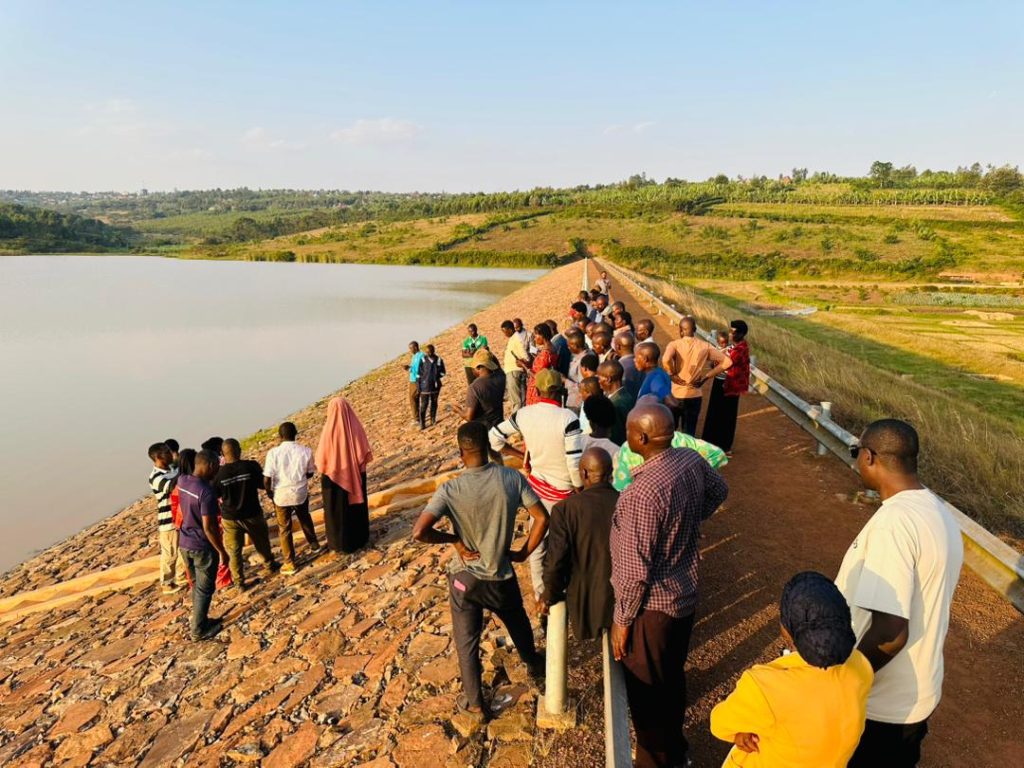
Effective irrigation management requires strong institutions, transparent leadership, and active participation from farmers. He noted that knowledge-sharing initiatives such as study tours allow farmers to learn directly from successful schemes and adapt proven solutions to their own communities.
In addition to irrigation management, participants also learned about modern greenhouse farming techniques and how different irrigation technologies can be used to increase production while conserving water resources. The exposure to greenhouse agriculture generated significant interest among farmers, many of whom viewed it as an opportunity to diversify production and increase profitability throughout the year.
The visit demonstrated how effective water management, community ownership, and strong farmer organizations can transform agricultural production and improve rural livelihoods. Participants witnessed firsthand how irrigation schemes can remain sustainable when farmers actively contribute to maintenance, participate in decision-making processes, and work collectively to address
About The Author


SUBSCRIBE TO OUR NEWSLETTER