Irrigation Doubles Farmers’ Harvests in Rwamagana as Yields Rise from 3 to 6 Tonnes per Hectare
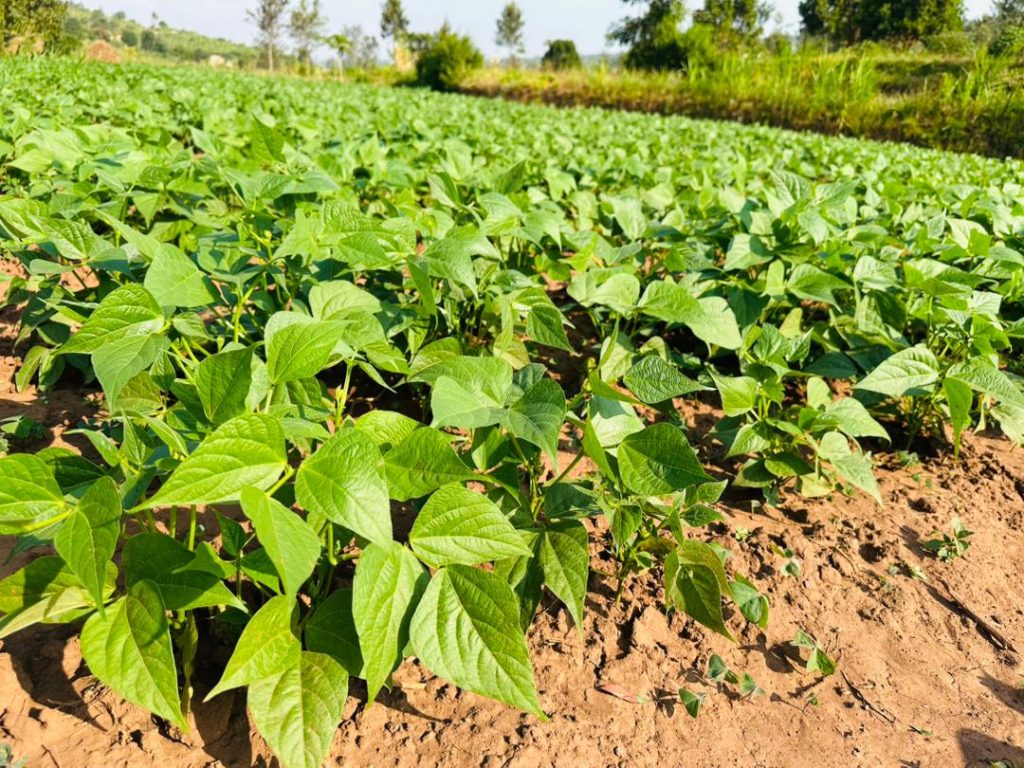
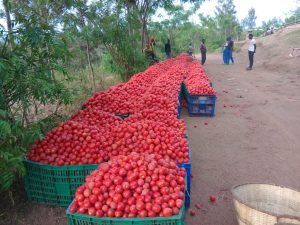
Rwamagana district’s farmers who previously harvested only three tonnes per hectare due to prolonged dry spells are now producing up to six tonnes per hectare after the development of irrigation infrastructure, a remarkable achievement that is strengthening food security and boosting household incomes.
Their success story was highlighted during a knowledge-sharing sessions organized by the Second Sustainable Agricultural Intensification and Food Security Project (SAIP II) on June 23, 2026, which brought together farmers, cooperative leaders, and Water User Association representative through RAB in collaboration with Eastern Province, Rwamagana and Kirehe district to learn from the experiences of the Cyaruhogo and Kanyonyomba Irrigation Schemes.

Speaking during the visit, the President of ABAHIZI BA RWAMAGANA Water Users Association, Mukashema Olive, explained that before the marshlands were developed and equipped with irrigation facilities, farmers faced enormous challenges caused by water shortages and excessive sunshine.
“Farming in these marshlands started in 1980, but before they were developed, farmers suffered heavy losses due to drought and insufficient water. At that time, a farmer could harvest only three tonnes per hectare. Today, after the development of irrigation infrastructure, production has doubled to six tonnes per hectare,” she said.
According to Mukashema, the transformation has not only increased agricultural production but has also changed the economic outlook of farming communities. To ensure sustainability, farmers established savings mechanisms dedicated to supporting irrigation activities and maintaining infrastructure.
She noted that farmers contribute financially to irrigation services, while additional revenues are generated through activities such as the sale of grass cultivated around water reservoirs. These collective efforts have enabled the association to maintain irrigation systems and invest in new infrastructure projects, including the construction of a small dam worth more than RWF 10 million.
The growing success of irrigation has encouraged more farmers to embrace modern agricultural practices and actively participate in Water User Associations. Community ownership of irrigation facilities has become a key factor behind the sustainability of the project.
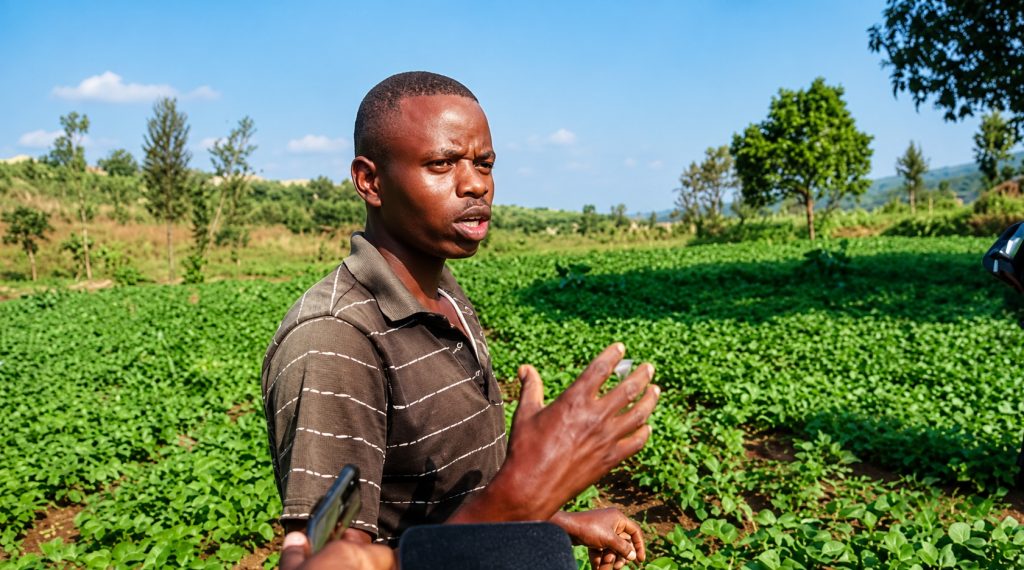
For farmers such as Niyomugabo Eliezel, access to irrigation has completely transformed farming from a subsistence activity into a profitable business.
“In the past, I was not farming professionally. I used to work as a motorcycle taxi operator, but I discovered that agriculture offers better opportunities when done properly,” he said.
Niyomugabo revealed that by investing RWF 450,000 in agricultural production, he generated approximately RWF 1.6 million in returns, illustrating the financial benefits of irrigated farming.
He also praised SAIP II for helping farmers acquire practical knowledge through study tours and training programs.
“SAIP has been like a parent to us. Through these learning visits, we have gained valuable knowledge that continues to improve our farming activities,” he said.

The importance of irrigation in addressing climate-related challenges was further emphasized by Mporana Jules, a Water Users Organization Specialist working under SAIP who explained that irrigation has become an essential tool for ensuring food security, particularly in Rwanda’s Eastern Province where rainfall is often unpredictable.
“Irrigation is one of the most important agricultural solutions for farmers in this region. As climate change continues to affect rainfall patterns, irrigation allows farmers to maintain production, achieve food security, and supply markets with surplus produce,” he said.
He added that the creation of Water User Associations has played a crucial role in solving water management challenges that many cooperatives previously faced, particularly in areas vulnerable to water shortages.
Today, the Rwamagana Water Users Association manages irrigation across 300 hectares within four cooperatives and serves 1,179 farmers, including 400 women.
About The Author


SUBSCRIBE TO OUR NEWSLETTER