Olympic Champion Sir Mo Farah Leads Global Call for Sport as a Critical Enabler for Youth Mental Health
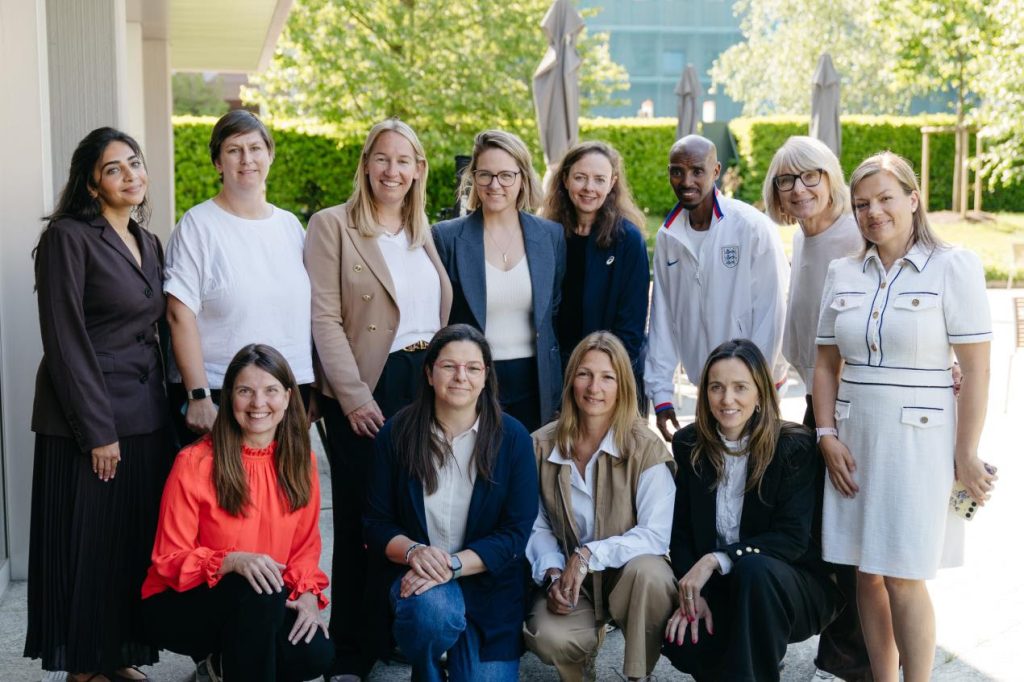
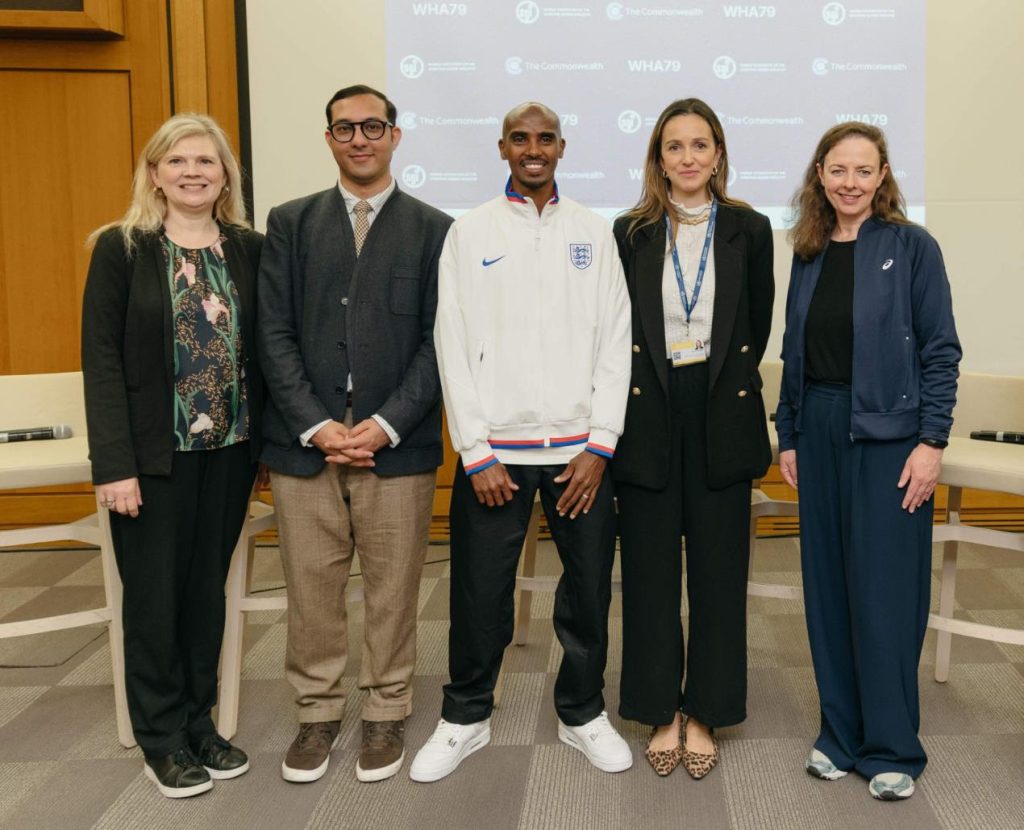
GENEVA, 20 MAY 2026 – Four-time Olympic gold medallist Sir Mo Farah headlined a high-level side event at the 79th World Health Assembly (WHA) today, joining government ministers and global health leaders to present an evidence-based case for integrating sport and physical activity into youth mental health policy.
The event, co-hosted by the Commonwealth Secretariat and the World Federation of the Sporting Goods Industry (WFSGI), focused on the theme “Building Resilient Futures: Unlocking the Power of Sport and Physical Activity for Youth Mental Health in the Commonwealth”.
Drawing on his own experience and his work through Mo’s Mission, Sir Mo Farah emphasized the profound impact of physical activity, stating: “Being physically active isn’t just about fitness or sport – it’s about mental strength, confidence and feeling you belong. Sport gives young people confidence, connection and a positive outlet – and that’s never been more important for their mental health”.
The summit highlighted the urgent public health challenge facing the Commonwealth, where 60% of the 1.5 billion people are under 30. Globally, mental health conditions affect at least 13% of young people aged 10–19, with anxiety and depression having risen by 25% following COVID-19. The crisis is compounded by the fact that 81% of adolescents worldwide fail to meet recommended physical activity guidelines.
However, compelling evidence was presented showing sport as a scalable solution. Research demonstrated that regular physical activity can reduce depression symptoms by up to 30%, while also improving cognitive function, building social connectedness, and fostering resilience.
Dr. Janneth Mghamba, Health Adviser at the Commonwealth Secretariat, noted that sport and physical activity offer “trusted, supportive environments” where young people can “build resilience, enhance their wellbeing and connect to the support they need”. Emma Zwiebler, CEO of the WFSGI, echoed this, calling sport and physical activity “proven, scalable tools that can form a critical part of a holistic support system for youth mental health”. Speakers from the sporting goods industry, including ASICS, also presented case studies on advancing sport-based mental health initiatives.
The event positioned sport-based interventions as a cost-effective, high-impact extension of the health system, especially in settings where formal mental health services are scarce or inaccessible.
The session concluded with a call for co-sponsoring member states to commit to integrating sport for development and physical activity into national youth mental health strategies, with measurable targets. This commitment aims to build on the foundations of the 2022 CHOGM Dhaka-Kigali Mental Health Compact and lead into the 12th Commonwealth Sports Ministers Meeting in July 2026.
About The Author


SUBSCRIBE TO OUR NEWSLETTER