UNESCO Expands Global Network, Designating 14 New Biosphere Reserves on World Environment Day
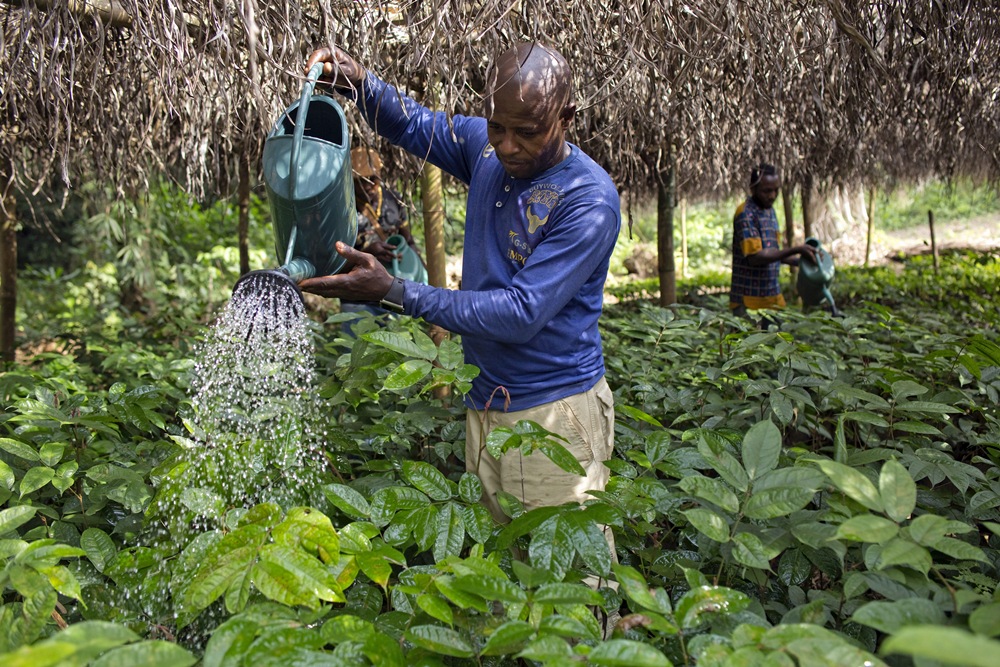
Nursery
PARIS – On World Environment Day, 5 June 2026, UNESCO announced the designation of 14 new biosphere reserves across 14 countries, expanding the World Network of Biosphere Reserves to 797 sites in 145 countries.
The new designations mark several milestones for the global conservation effort. Three countries welcomed their very first biosphere reserves: Montenegro, Timor-Leste, and Aruba. Notably, Aruba is the second country to have its entire territory designated as a biosphere reserve. For the first time, an entire city, Québec City in Canada, was designated as a biosphere reserve.
Khaled El-Enany, Director-General of UNESCO, commented on the importance of the designations, stating, “Biosphere reserves prove every day that protecting nature and improving human lives are not competing goals”. He added that this year’s designations “span every continent showing the full range of what it means to live in harmony with nature”.
New biosphere reserves were designated in the following countries:
- Albania – Shkodër Lake
- Algeria – Theniet El Had
- Aruba – Aruba Island
- Azerbaijan – Great Caucasus
- Cameroon – Takamanda – Cross River Gorilla
- Canada – Québec City
- Islamic Republic of Iran – Dalankuh – Qamishlou
- Mongolia – Tost Toson Bumbiin Nuruu
- Montenegro – Skadar Lake Watershed
- Paraguay – Sur del Alto Paraná
- Philippines – Matibay na Bayan ng Sablayan
- Portugal – Serra da Estrela
- Timor-Leste – Nino Konis Santana
- Viet Nam – Phong Nha – Ke Bang
UNESCO biosphere reserves are defined as territories of outstanding ecological value where communities and nature coexist harmoniously, working to conserve biological and cultural diversity while advancing sustainable development. These sites, alongside natural World Heritage sites and Global Geoparks, contribute to protecting over 13 million km² of terrestrial and marine ecosystems, advancing the global Kunming-Montreal target of conserving 30% of land and sea by 2030.
In a related announcement, UNESCO and the OSCE also launched Reporting the Environment: A Practical Manual for Journalists on World Environment Day. The manual provides practical tools for journalists to cover environmental stories accurately and safely, including guidance on navigating climate misinformation and content generated by AI.
About The Author


SUBSCRIBE TO OUR NEWSLETTER