Rwanda’s 2026/27 National Budget Increases by 12% to Rwf 7.8 Trillion
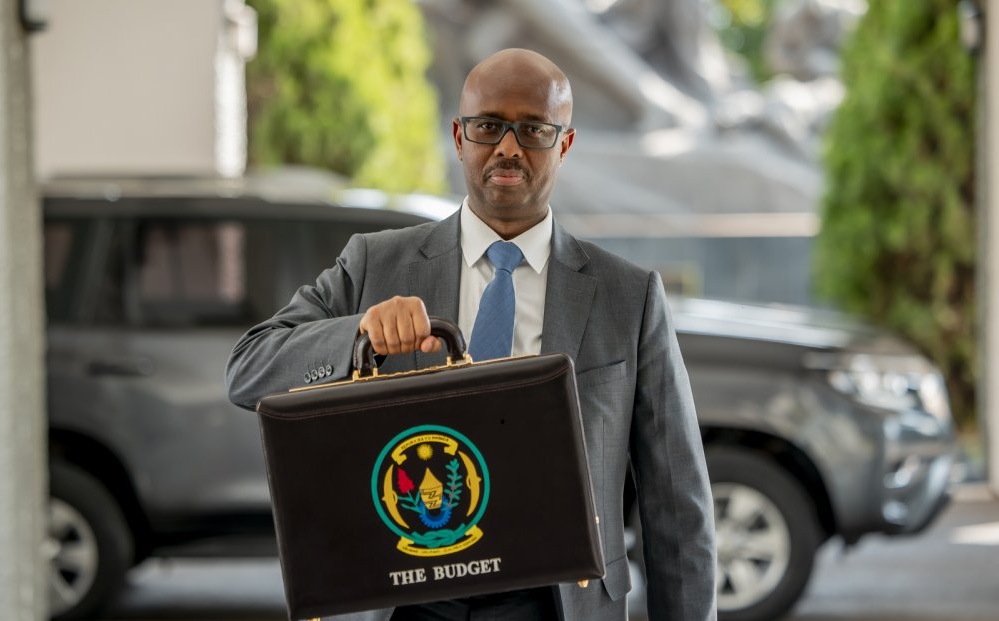
KIGALI, Rwanda – Rwanda’s national budget for the 2026/2027 fiscal year has reached Rwf 7.796 trillion, representing a 12 percent increase compared to the revised budget of Rwf 6.952 trillion for the 2025/2026 fiscal year.
The budget, which will take effect in July 2026, reflects the government’s continued focus on economic resilience, agricultural productivity, infrastructure development, and strategic investments amid global economic uncertainties.
According to the Minister of Finance and Economic Planning, Yusuf Murangwa, domestic revenues are projected to contribute Rwf 5.274 trillion, including Rwf 4.429 trillion from tax revenues and Rwf 582.4 billion from non-tax sources.
External grants are expected to amount to Rwf 548.3 billion, while foreign loans are projected to reach Rwf 1.974 trillion.
Of the total budget, Rwf 4.789 trillion will be allocated to recurrent expenditure, including public service salaries and operational costs. Meanwhile, Rwf 3.011 trillion will be directed toward development projects and public investments.
Minister Murangwa noted that the 2026/2027 budget and the medium-term fiscal framework have taken into account the economic implications of ongoing geopolitical tensions in the Middle East, as well as the government’s revenue mobilization and expenditure priorities.
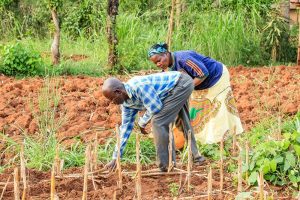
Among the key priorities is continued investment in agriculture, particularly in the provision of agricultural inputs and irrigation infrastructure, alongside support for the national carrier, RwandAir.
The minister emphasized that the government has significantly increased subsidies for agricultural inputs to ensure food security and shield farmers from the impact of rising global fertilizer prices linked to the conflict involving Iran and broader instability in the Middle East.
“The government has allocated substantial additional resources to support the agricultural sector. Last year, we earmarked Rwf 39 billion to subsidize fertilizers. In the 2026/2027 budget proposal, that amount has increased to approximately Rwf 64 billion,” Murangwa said.
“The allocation is close to doubling because we want to ensure that fertilizers remain available to farmers. We are aware that international fertilizer prices have risen due to conflicts in the Middle East. To ensure that citizens continue to access fertilizers at affordable prices, the government has increased its support to this sector,” he added.
The increased investment is expected to boost agricultural productivity, strengthen food security, and help protect Rwanda’s economy from external shocks while sustaining the country’s long-term development agenda.
About The Author


SUBSCRIBE TO OUR NEWSLETTER