New 28,396.53m³ Valley Tank to Ease Water Shortages for 3,000 Cattle in Matimba, Nyagatare
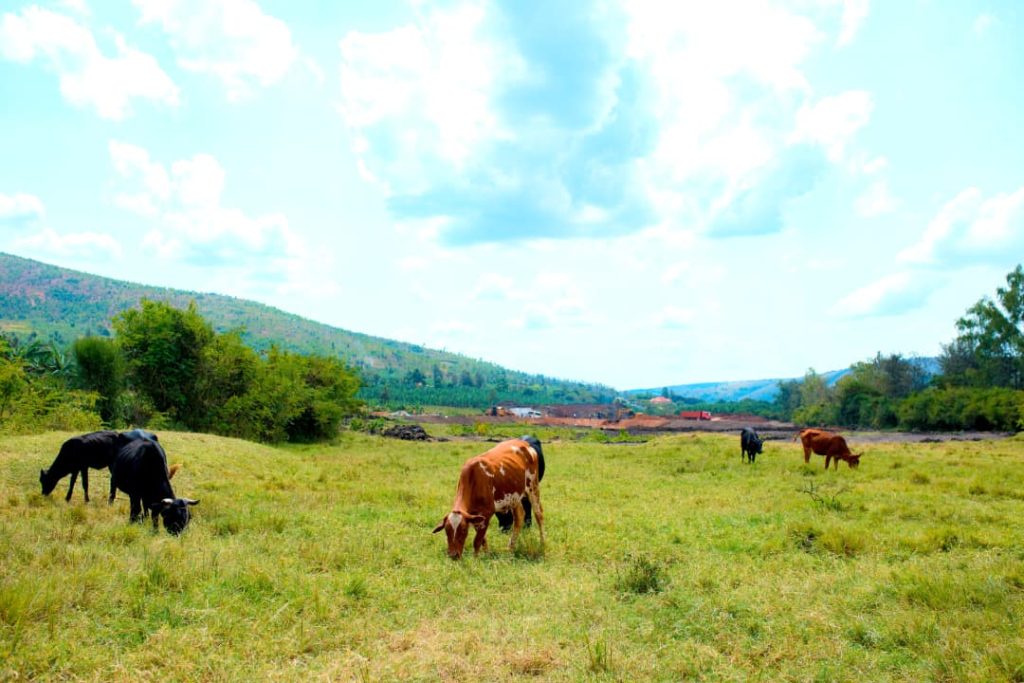
For years, livestock farmers in Bwera, Byimana and Matimba cells in Matimba Sector, Nyagatare District, have struggled with recurring water shortages during the dry season, forcing thousands of cattle to travel long distances to the Akagera River in search of water.
The situation has often resulted in livestock diseases, reduced milk production and increased costs for farmers. But local livestock keepers say a new valley tank under construction in Bwera Cell could soon change that reality.
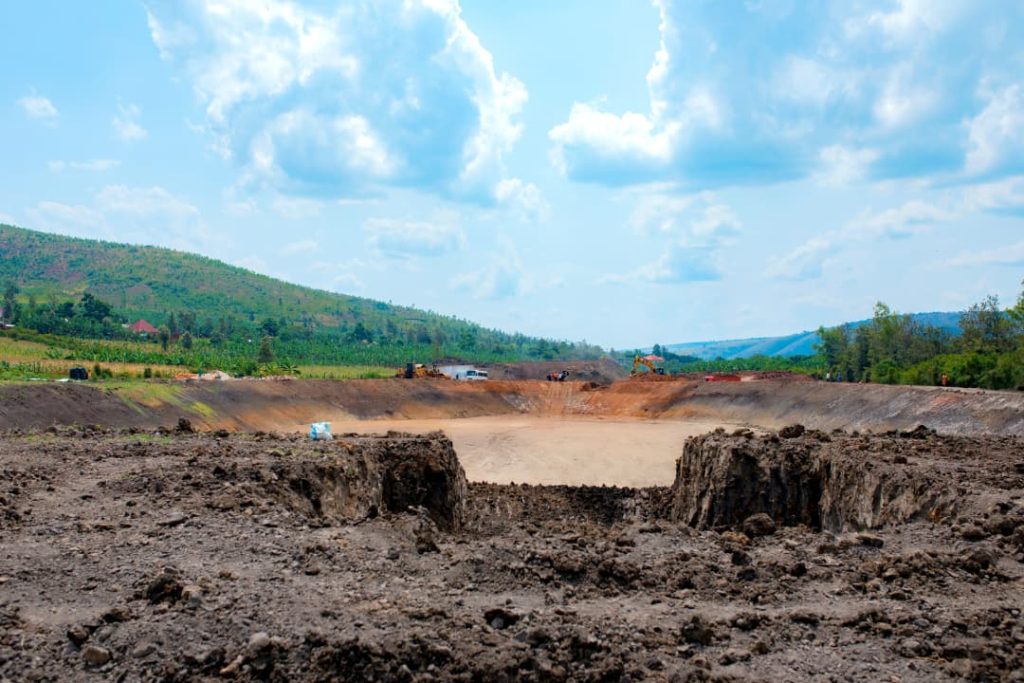
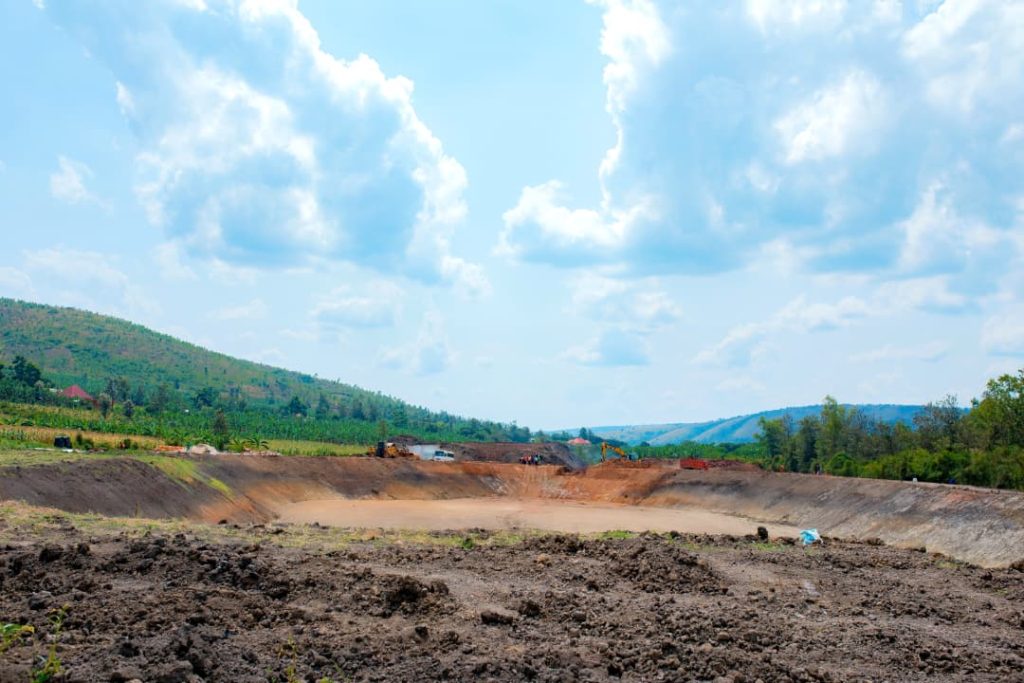
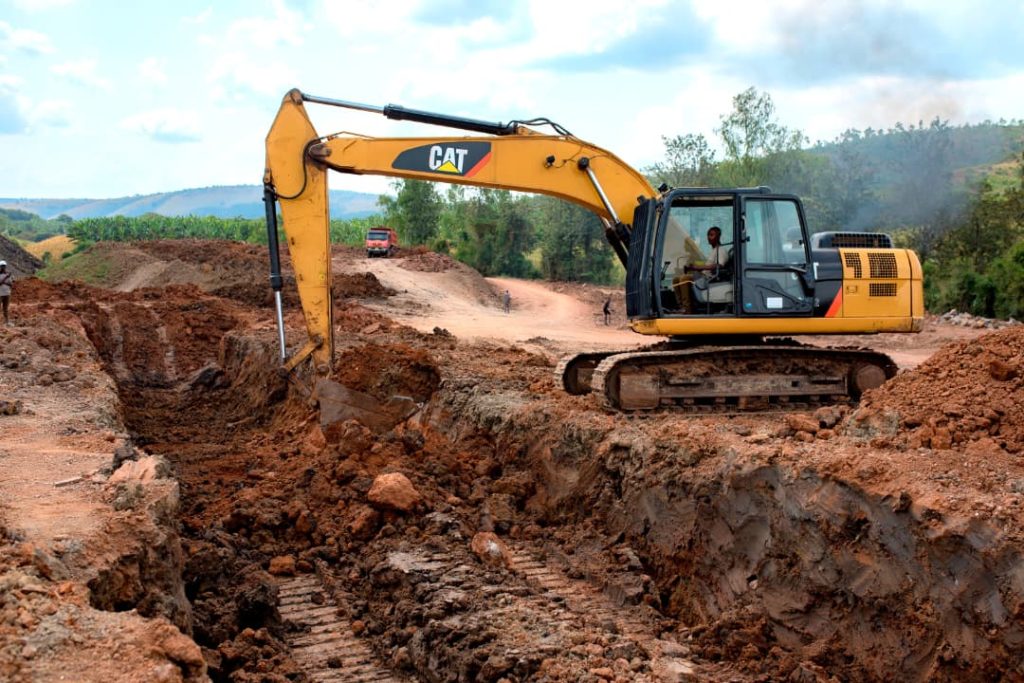
The Bwera Valley Tank, being constructed under the Rwanda Dairy Development Project Phase II (RDDP II), is expected to provide a reliable water source for more than 3,000 cattle and surrounding communities once completed.
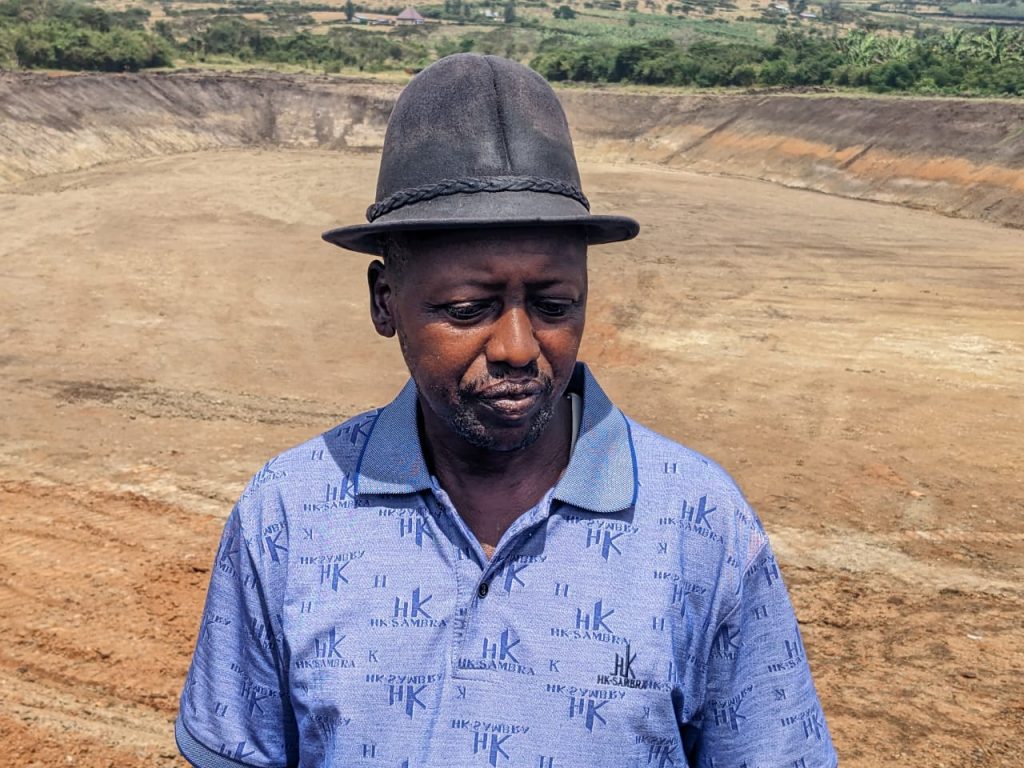
James Mutabazi, a livestock farmer from Bwera Cell, said water scarcity has long been one of the biggest challenges facing livestock keepers in the area.
“During the dry season, water sources would dry up and we had no option but to take our cattle to the Akagera River or fetch water from there,” he said.
According to Mutabazi, cattle from Bwera, Byimana and Matimba cells converge in the area, with more than 3,000 cattle depending on the available water sources.
He explained that taking cattle to the river exposed them to diseases and other risks.
“The journey to the Akagera River affected our animals. Some became sick after being exposed to diseases from across the border, while others died. Veterinary officers were constantly treating sick cattle,” he said.
Farmers previously relied on several small dams established after the 1994 Genocide against the Tutsi. Over time, however, these became insufficient to meet growing demand.
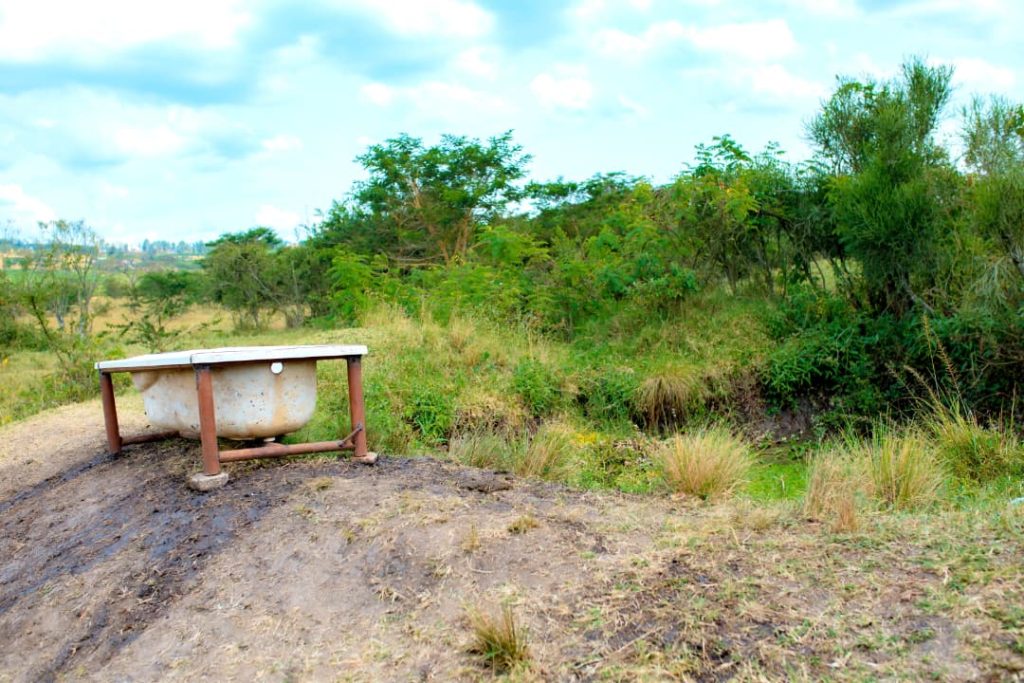
“We used to pump water into dam sheets installed at our homes, but obtaining water was difficult and expensive. The lack of water also reduced milk production because cattle sometimes drank only once a day after travelling long distances,” Mutabazi said.
He noted that during the dry season a cow capable of producing around eight litres of milk per day could see production drop to as little as three litres.
“We believe this valley tank will help solve that problem because cattle will have access to water twice a day,” he added.
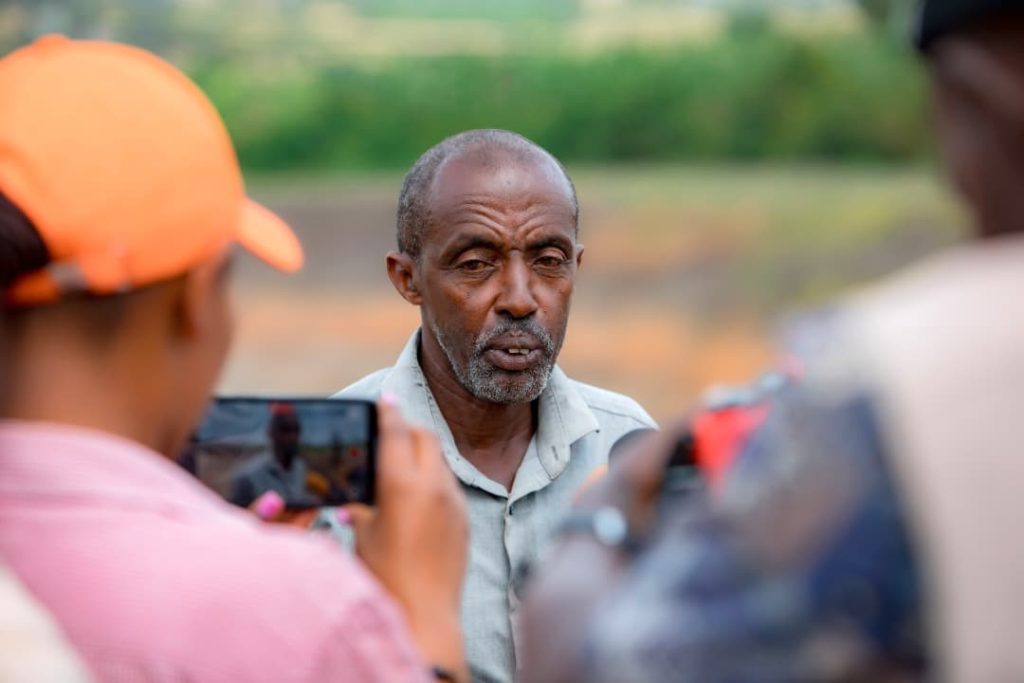
Another farmer, Aimable Kimenyi from Bwera Cell, said existing small dams often dried up during drought periods, forcing cattle owners to seek alternative water sources.
“This valley tank will be a huge opportunity for us. The small dams would dry up, and cattle would end up going to the Akagera River where they were exposed to challenges such as tsetse flies and diseases,” he said.
Kimenyi added that maintaining water supplies through household dam sheets is costly because transporting water often requires vehicles, while some dam sheets eventually leak or dry out completely.
The new valley tank is designed to provide a more sustainable solution.
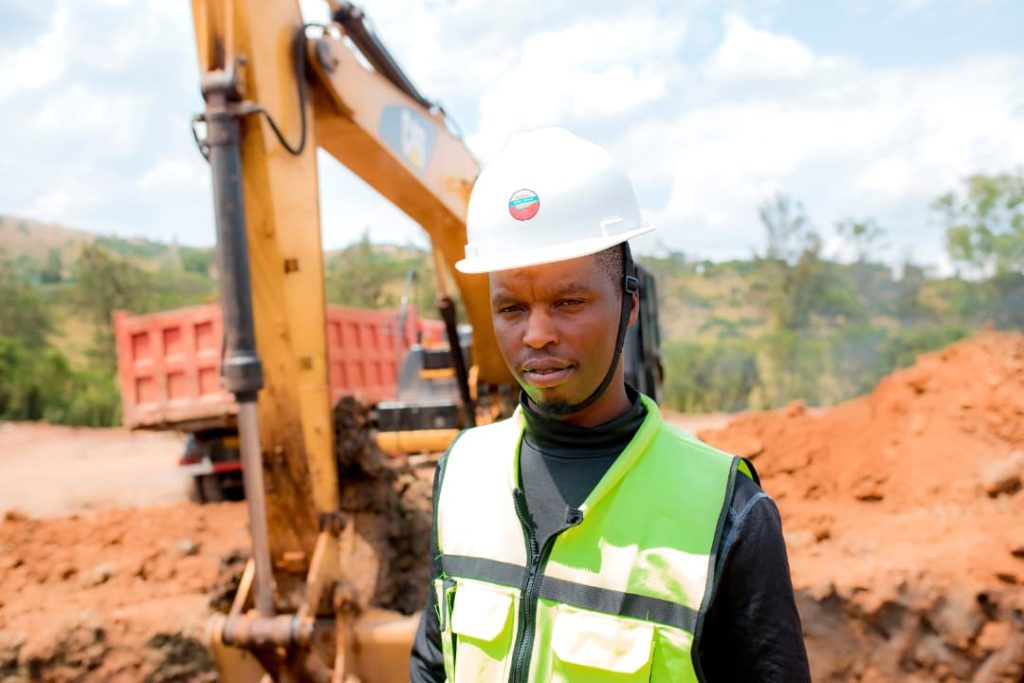
Wellars Ntawukuriryayo, Site Engineer for the Bwera Valley Tank, said the facility will have a storage capacity of 28,396.53 cubic metres of water.
“This storage capacity will ensure a permanent reserve of water. During periods of excess water, the overflow will be channelled through a spillway so it can continue serving other purposes downstream,” he explained.
The project also includes safety and community access measures.
“We are constructing fencing around the tank to prevent accidents, particularly involving children, and a public water point will also be installed for nearby residents,” Ntawukuriryayo said.
He said the facility will primarily benefit residents and livestock keepers in Bwera and Byimana cells.
Construction is currently about 85 percent complete and is expected to be finished within the next 40 days.
“The tank structure itself is complete. What remains is water filling and final works. We expect it to be fully operational by September when the rainy season begins,” he said.
The project is valued at approximately Rwf486 million.
To improve water distribution, solar-powered pumps will be used to deliver water to designated livestock watering points.
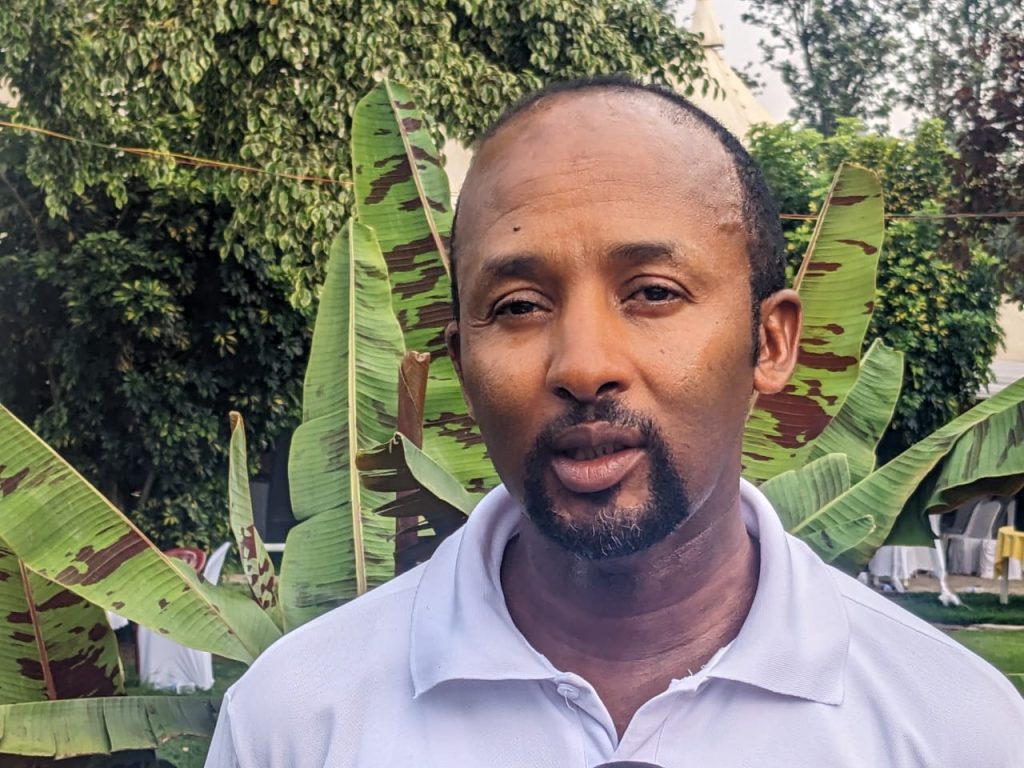
John Kayumba, Station Manager for the Rwanda Agriculture and Animal Resources Development Board (RAB) in Gatsibo and Nyagatare districts, said Bwera Valley Tank is one of three valley dams being constructed in Nyagatare District under RDDP II.
“All three valley dams are nearing completion. Although we are currently in the dry season, we expect them to be full once the rains return in September,” he said.
Kayumba explained that the reservoirs are intended to serve as backup water sources for livestock farmers.
“Farmers who use household dam sheets will be able to fetch water from these reservoirs whenever their own reserves run low. The valley dams are designed to function as strategic water reservoirs that strengthen resilience during drought periods,” he said.
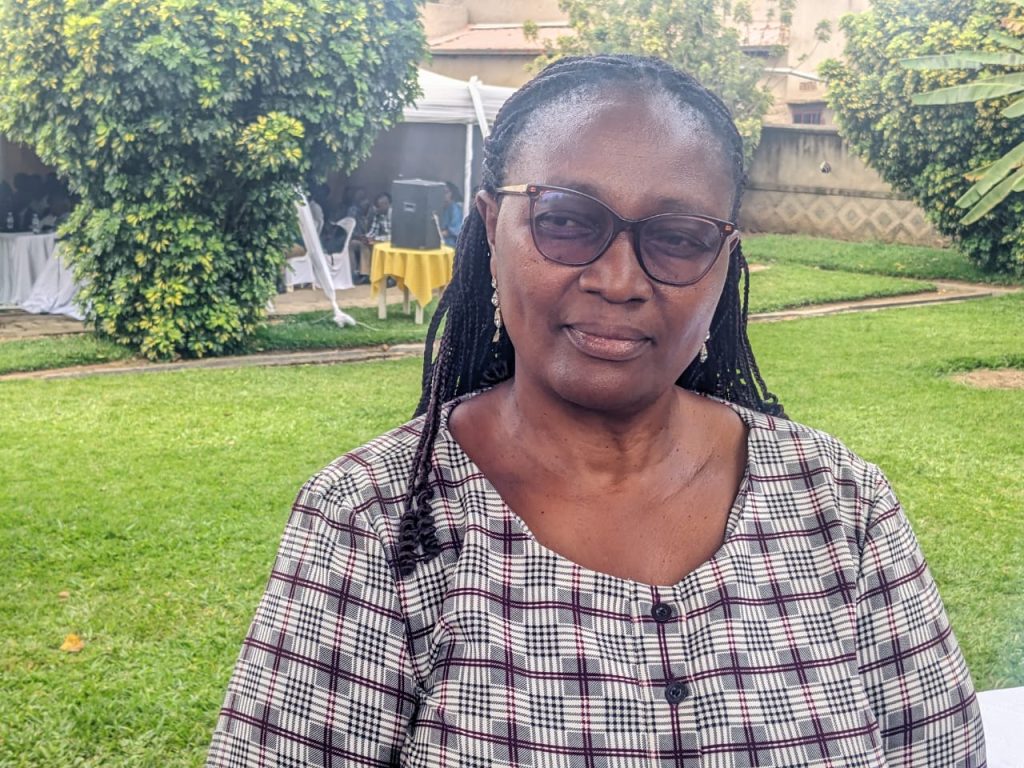
Nyagatare District Vice Mayor in charge of Social Affairs, Juliette Murekatete, urged beneficiaries to properly maintain the infrastructure once it becomes operational.
“We encourage livestock farmers to take good care of these valley tanks and dam sheets. Like any infrastructure, they require maintenance. Water sources should be kept clean and protected from siltation and degradation,” she said.
The Bwera Valley Tank forms part of the broader Rwanda Dairy Development Project Phase II (RDDP II), a six-year initiative running from 2024 to 2030 with a budget of $100.37 million (approximately Rwf127 billion).
Co-funded by the International Fund for Agricultural Development (IFAD) and the Government of Rwanda and implemented through RAB, the project aims to improve the productivity, resilience and profitability of smallholder dairy farmers across 27 districts.
The initiative is expected to benefit around 175,000 rural households, equivalent to about 700,000 people, with a particular focus on women, youth and vulnerable groups.
Through investments in climate-smart agriculture, digital technologies, access to finance, animal health services, improved breeding, feed and water systems, as well as milk collection, storage and marketing infrastructure, the project seeks to strengthen Rwanda’s dairy value chain.
About The Author


SUBSCRIBE TO OUR NEWSLETTER