Nyagatare Dairy Farmers Secure Rwf516 Million Matching Grant to Tackle Drought
As recurrent droughts continue to threaten livestock production in Rwanda’s Eastern Province, 253 dairy farmers in Nyagatare District have secured support to invest in water storage infrastructure and feed-processing technologies aimed at protecting cattle, increasing milk production and strengthening household incomes.
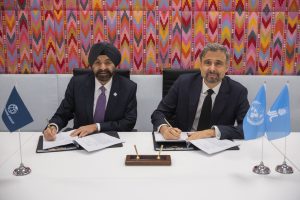
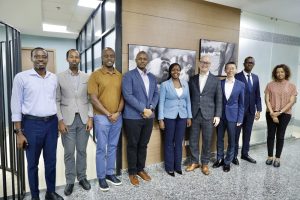
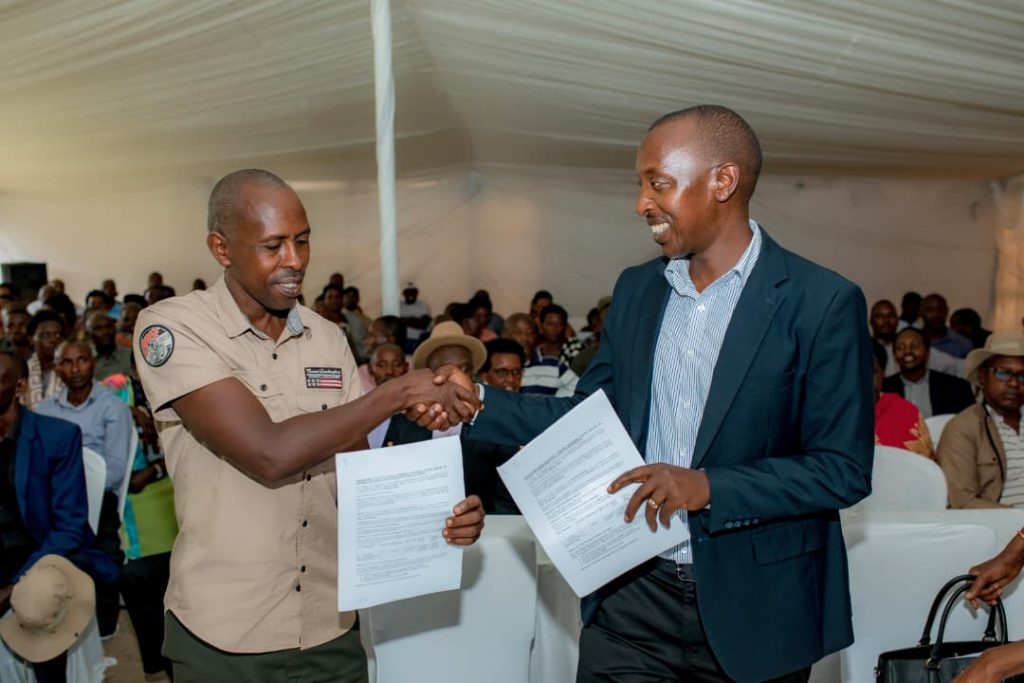
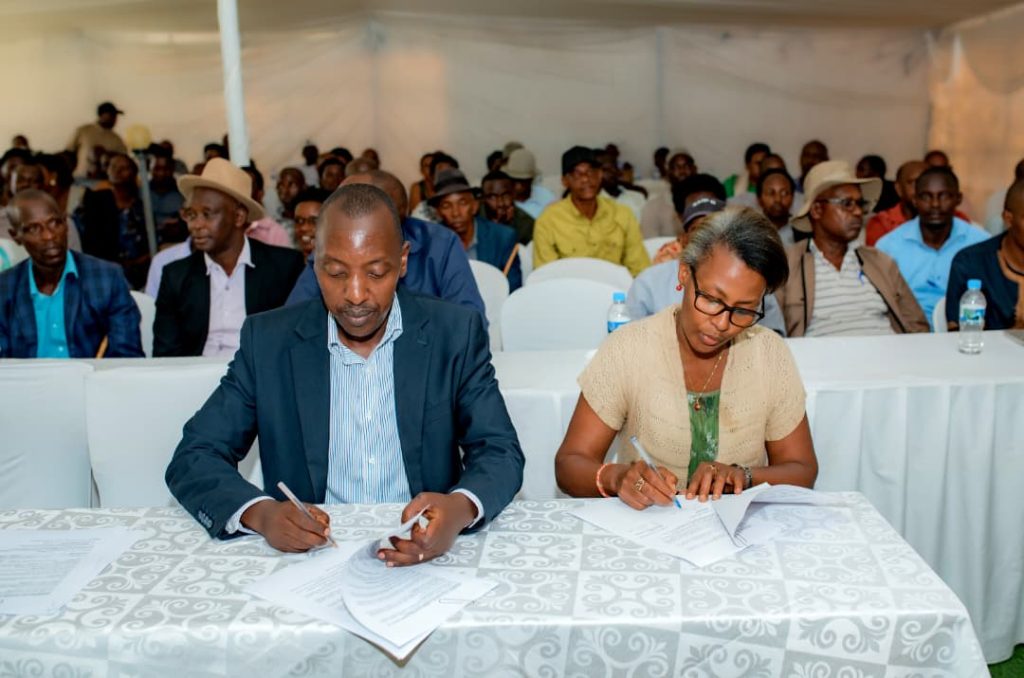
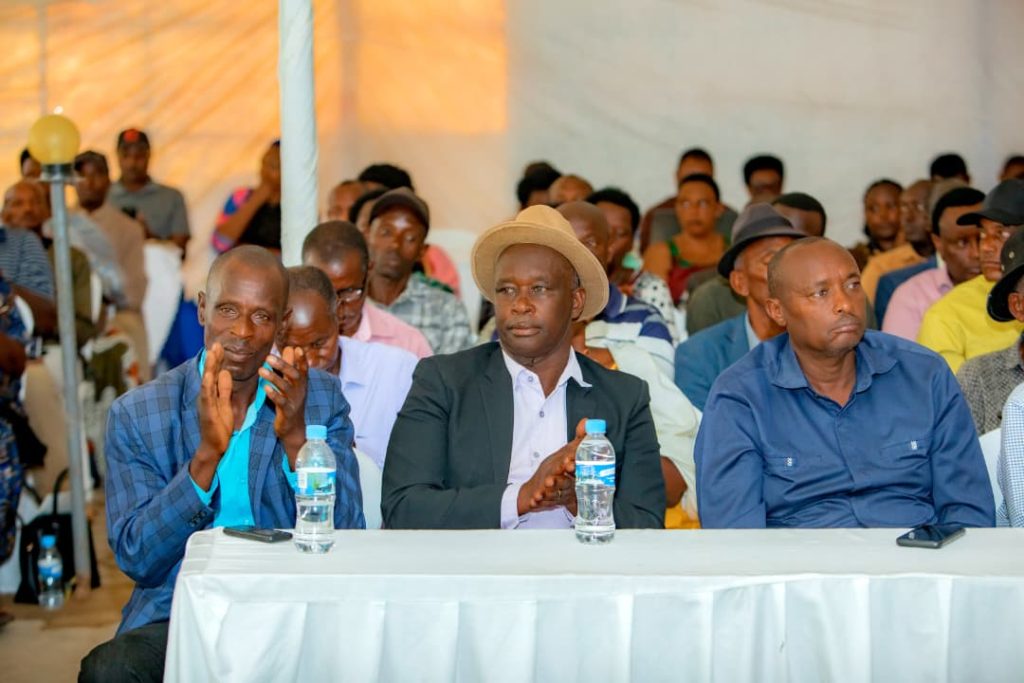
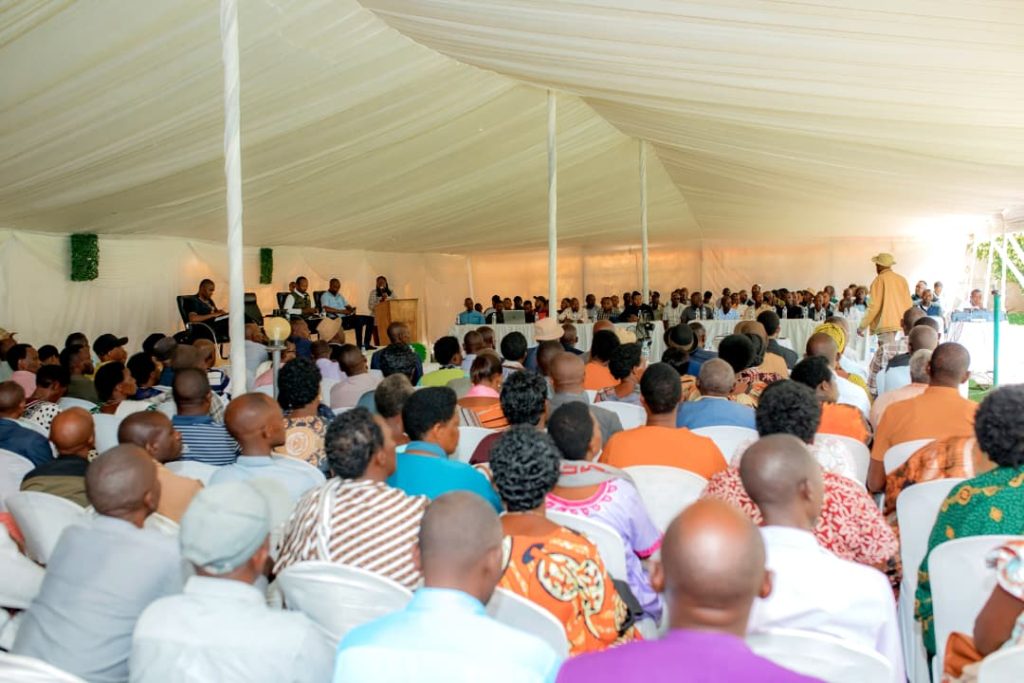
The support was formalized on June 11, 2026, through the signing of Matching Grant agreements under the Rwanda Dairy Development Project Phase II (RDDP II), bringing together dairy farmers, officials from the Ministry of Agriculture and Animal Resources (MINAGRI), the Rwanda Agriculture and Animal Resources Development Board (RAB), Nyagatare District and development partners.
The initiative seeks to address two of the biggest challenges facing dairy farmers in the district: inadequate water availability during dry seasons and limited access to modern feed-processing equipment.
Under the programme, selected farmers will receive support to acquire dam sheets for water harvesting and storage as well as chopper machines used to process livestock feed.
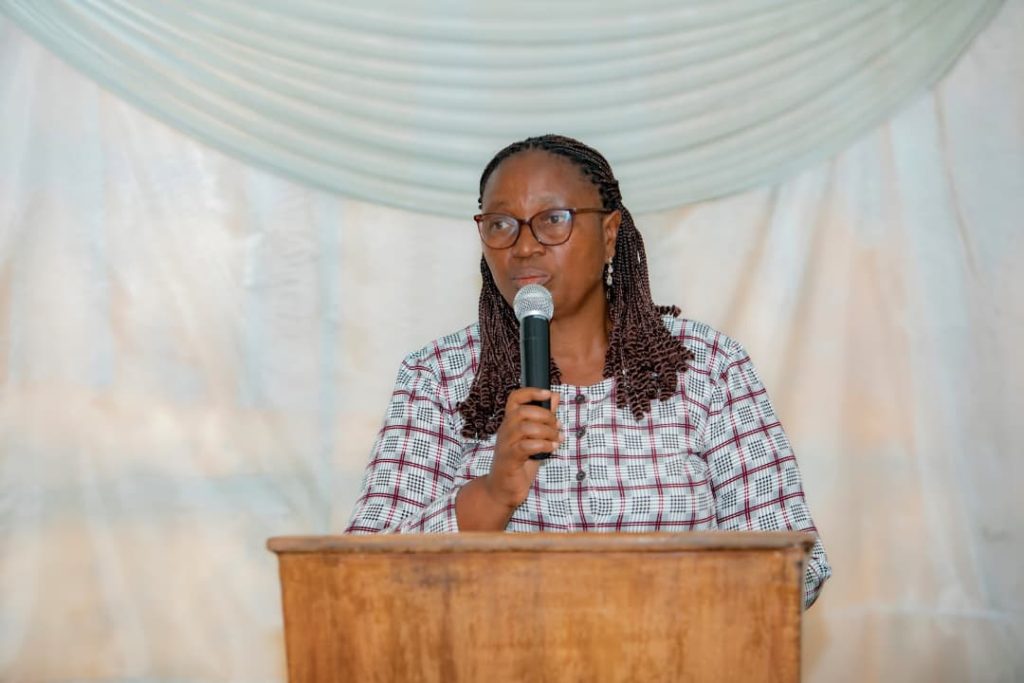
Speaking during the signing ceremony, Juliet Murekatete, Vice Mayor of Nyagatare District in charge of Social Affairs, said the intervention comes at a critical time for a district where water scarcity remains a persistent challenge for livestock farmers.
“In Nyagatare District, water scarcity remains a major challenge during the dry season, particularly for livestock farmers. This project will help us address that challenge, especially for dairy cattle that require reliable access to water to maintain productivity,” she said.
Nyagatare, which hosts more than 208,000 cattle, is Rwanda’s leading livestock district and a major contributor to national milk production. However, prolonged dry spells, especially during July and August, often reduce water availability, affecting animal health and lowering milk yields.
Murekatete noted that improving access to water and feed would directly contribute to higher milk production, increased incomes and improved nutrition among farming households.
“When cows have enough water and adequate feed, milk production increases. This means farmers can supply more milk to milk collection centres and processors while also improving household nutrition and incomes,” she said.
The support is being provided through a Matching Grant scheme that requires beneficiaries to contribute part of the investment cost. Under the arrangement, adult male farmers contribute 50 percent, while women and youth contribute 30 percent, an approach designed to encourage broader participation by groups that often face barriers to accessing productive agricultural assets.
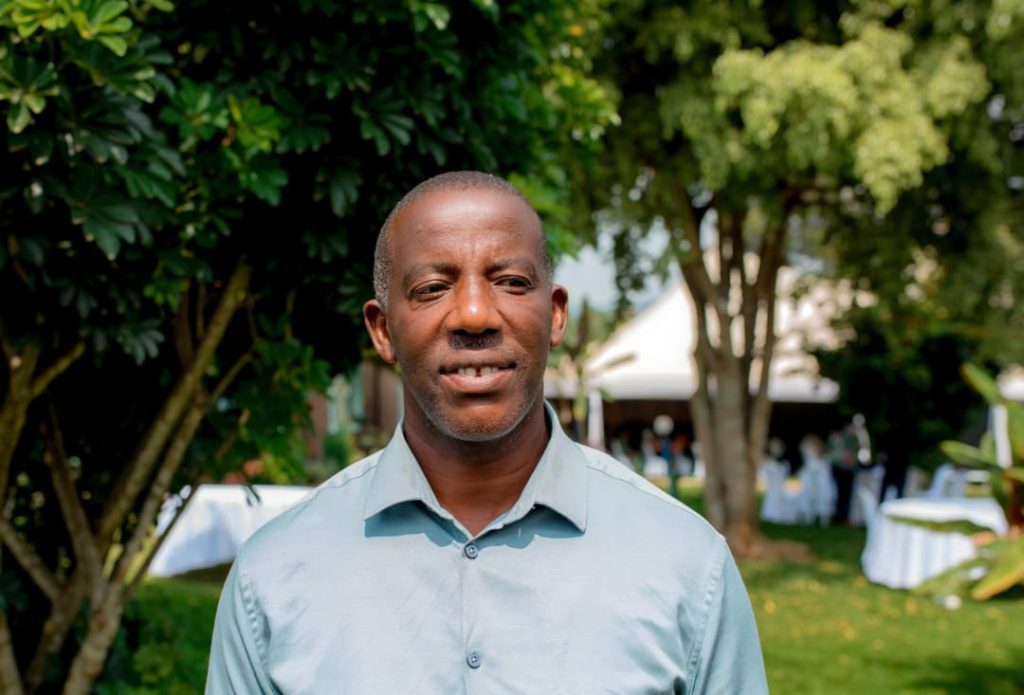
Among the beneficiaries is Peter Twahirwa, a dairy farmer from Karangazi Sector, who applied for a chopper machine to improve feed management on his farm.
“I expect milk production to increase significantly. The chopper machine will help us prepare and utilize fodder more efficiently. When cows receive enough quality feed and water, they remain healthy and productive,” he said.
Twahirwa explained that acquiring such equipment would have been difficult without project support, noting that chopper machines typically cost between Rwf1.5 million and Rwf2.5 million.
“We are grateful to the Government of Rwanda and development partners for supporting us. These machines are expensive, and many farmers would struggle to purchase them without this subsidy programme,” he said.
Livestock specialists say chopper machines play an important role in improving animal nutrition by reducing feed wastage and increasing digestibility. Properly processed fodder enables farmers to make better use of forage crops and crop residues, helping maintain feed supplies during dry periods.
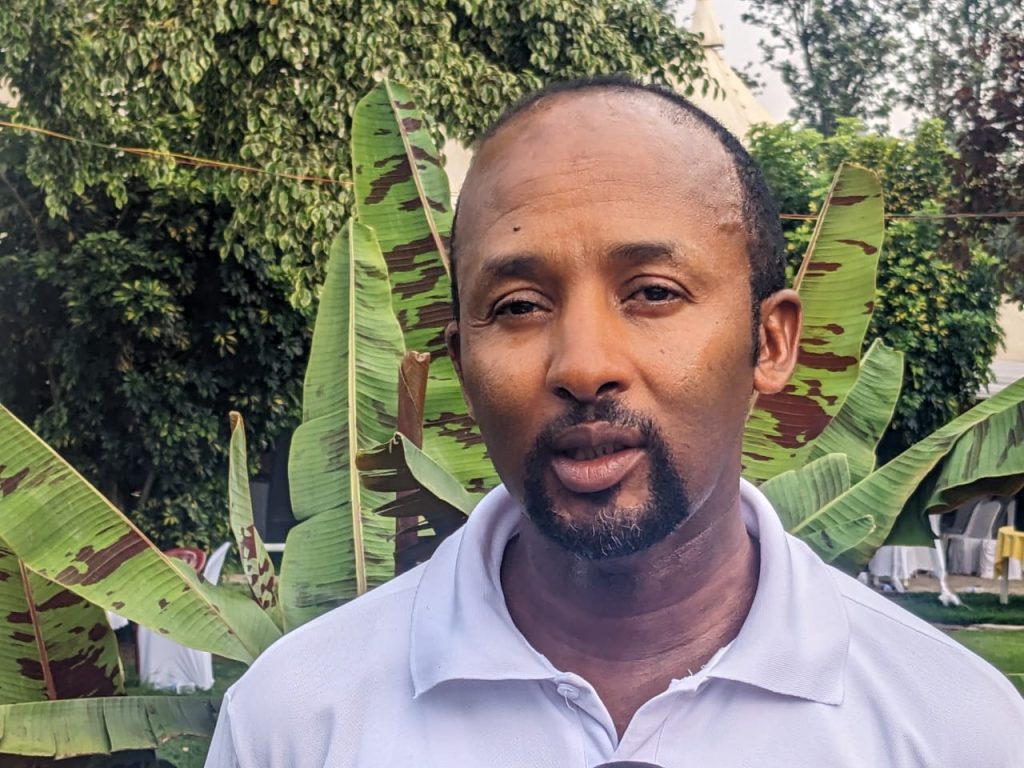
John Kayumba, RAB Station Manager for Nyagatare and Gatsibo districts, said the agreements represent a commitment by both farmers and government to ensure that the infrastructure contributes to long-term improvements in dairy production.
“Every cow needs adequate feed and sufficient water to produce milk. Without these two essentials, farmers cannot achieve the productivity they expect from their livestock,” he said.
According to Kayumba, the dam sheets will enable farmers to harvest and store water closer to their farms, reducing the distance cattle travel to access water and minimizing exposure to unsafe water sources.
Each supported dam sheet has the capacity to store approximately 480 cubic metres of water, providing farmers with a reliable reserve during periods of scarcity.
The intervention complements larger investments currently underway in the district. Under RDDP II, three major valley dams are also being constructed in Nyagatare and are expected to be completed by September this year, further strengthening water availability for livestock farmers.
Kayumba said the project is also promoting improved utilization of crop residues for animal feed. Nyagatare farmers cultivate about 37,000 hectares of maize during the main season, 17,000 hectares during the dry season and more than 22,000 hectares of beans, generating substantial quantities of residues that can be converted into nutritious livestock feed.
“When maize stalks, bean residues and fodder are properly processed using chopper machines, they become more digestible and are utilized more efficiently by livestock,” he said.
Beyond infrastructure support, RDDP II has trained 47 farmer facilitators and 95 dairy farmers in improved livestock management, fodder production, feed conservation and dairy farming techniques. Plans are also underway to establish veterinary clinics in Nyagatare and Ryabega to strengthen animal healthcare services.
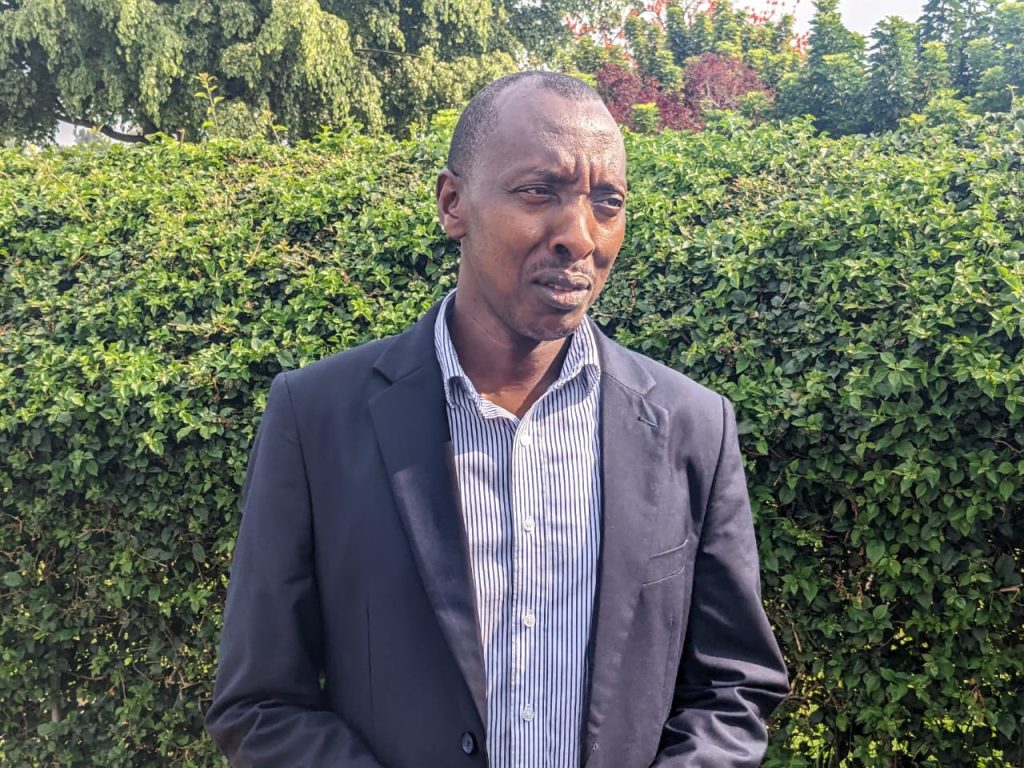
Andrew Gashayija, Country Team Leader for Kilimo Trust Rwanda, said the programme remains open to more farmers in future phases and encouraged those who did not qualify this time to prepare for upcoming opportunities.
“In livestock farming, opportunities are still available because this is an ongoing programme. Working together with MINAGRI and RAB, we expect additional opportunities to be announced, allowing more farmers to apply in the future,” he said.
Gashaija revealed that investments in dam sheets and chopper machines in Nyagatare amount to approximately Rwf516 million, including more than Rwf311 million in government subsidies, while farmers themselves will contribute near Rwf200 million.
For dam sheets, the subsidy covers up to 60 percent of the investment cost for men and 70 percent for women and youth. For chopper machines, men receive a 50 percent subsidy while women and youth receive 70 percent.
The support forms part of the Rwanda Dairy Development Project Phase II (RDDP II), a six-year initiative running from 2024 to 2030 with a budget of $100.37 million (about Rwf127 billion). Co-financed by the International Fund for Agricultural Development (IFAD) and the Government of Rwanda and implemented through RAB, the project aims to improve the productivity, resilience and profitability of smallholder dairy farmers across 27 districts.
The programme is expected to benefit about 175,000 rural households, equivalent to nearly 700,000 people, with a particular focus on women, youth and vulnerable groups.
About The Author


SUBSCRIBE TO OUR NEWSLETTER