Kayonza: SAIP’s Irrigation Innovation Turns Smallholder Farmers into Year-Round Producers
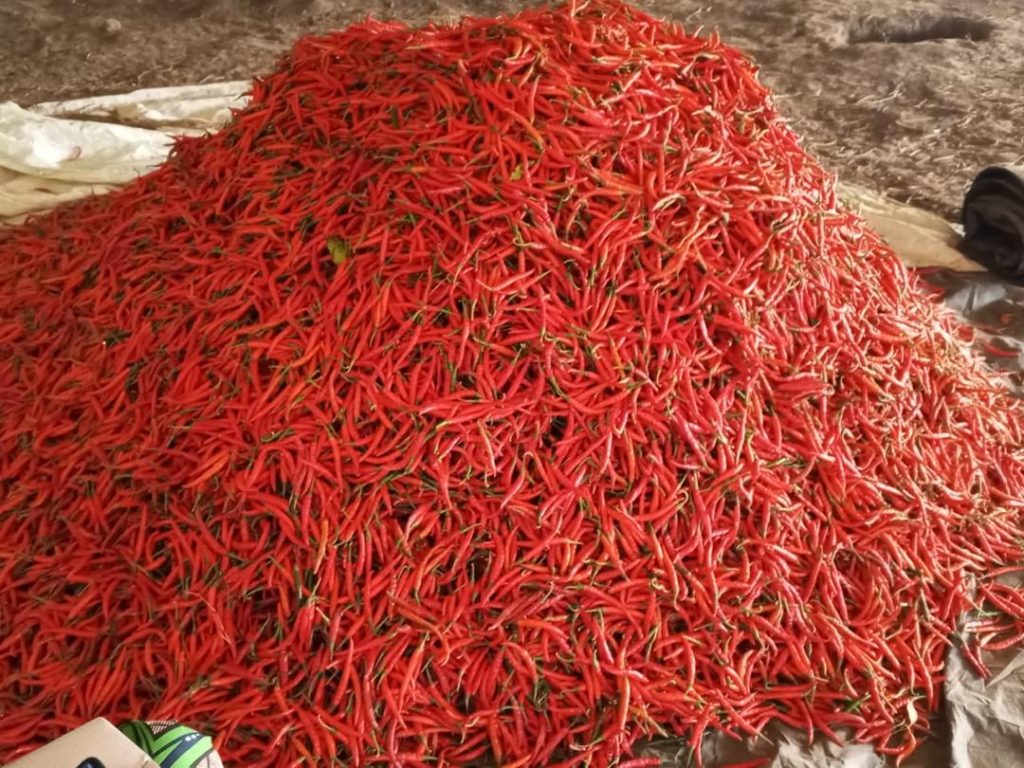
The Sustainable Agricultural Intensification and Food Security Project (SAIP) is transforming rain-fed agriculture into a resilient, market-oriented farming system, empowering rural communities with modern irrigation technologies that are boosting production, creating jobs, and improving household incomes.
The Sustainable Agricultural Intensification and Food Security Project (SAIP II), implemented by the Rwanda Agriculture and Animal Resources Development Board (RAB), is playing a pivotal role in reshaping the future of agriculture across Rwanda. By expanding access to Small-Scale Irrigation Technologies (SSIT), the project enables farmers to cultivate crops throughout the year, increase productivity, improve food security, access profitable markets, and build resilience against climate change.
Currently operating in 20 districts, SAIP II supports Rwanda’s broader agricultural transformation agenda by improving agricultural productivity while strengthening farmers’ economic opportunities.
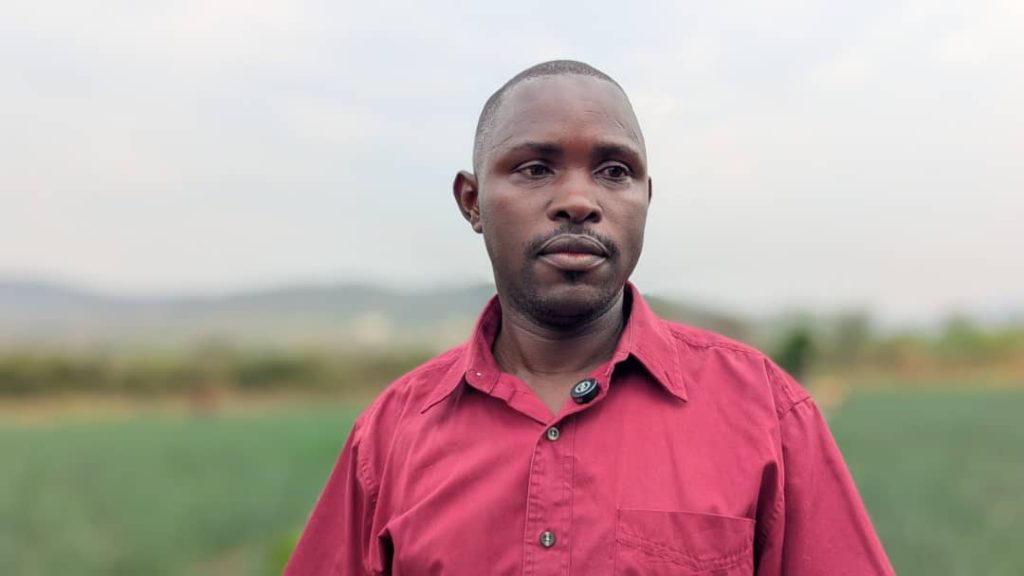
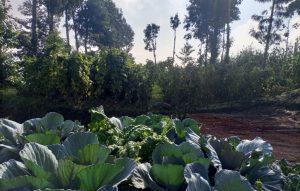
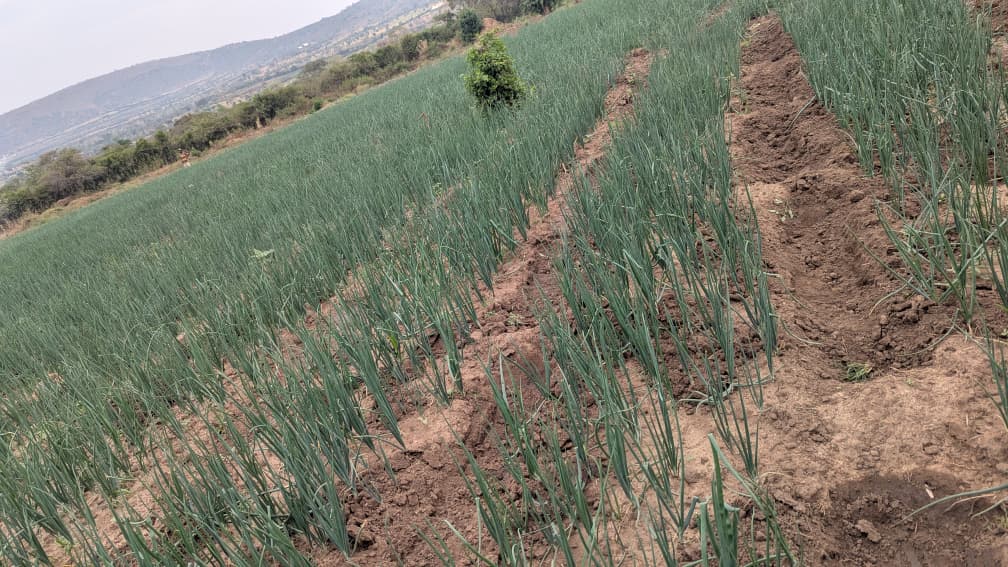
Among the beneficiaries is MBARAGA Potien, manager of BARINDA Joseph’s farming enterprise located in Gakomo I Village, Murundi Sector, Kayonza District. The farm specializes in the production maize and different vegetables including onions, watermelons, etc
According to Mbaraga, the support received through SAIP II has transformed not only agricultural production but also the livelihoods of many families in the surrounding community.
“We no longer struggle during the dry season because we now have a reliable irrigation system provided through SAIP II,” he said. “The project covered 75 percent of the investment while we contributed only 25 percent. This support has dramatically increased our production and enabled us to employ many people from nearby communities. Today, around 100 people earn a living through jobs created on this farm.”
He commended Rwanda’s Ministry of Agriculture and Animal Resources (MINAGRI) and RAB for continuously introducing initiatives that directly improve farmers’ welfare and agricultural productivity.
Before benefiting from SAIP II, he explained, farming activities depended entirely on rainfall, making production highly vulnerable to prolonged dry spells caused by climate change.
“Today we are no longer afraid of drought,” he added. “Whenever rainfall delays, we simply irrigate our crops. As a result, harvests remain impressive. A single hectare of watermelon can now generate between RWF 7 million and RWF 8 million in revenue something we could never have imagined before.”
The irrigation investment itself was valued at more than RWF 98 million, with the farmers contributing over RWF 20 million, while SAIP II financed more than RWF 70 million, significantly reducing the financial burden on the beneficiaries.
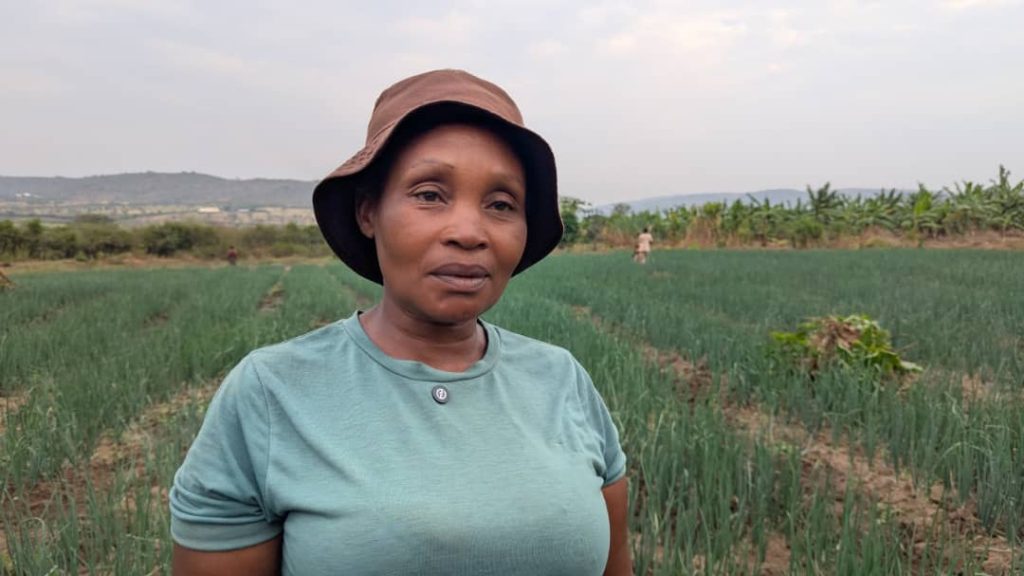
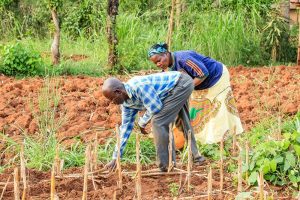
KAKUZE Anastasie, one of the workers employed on the farm, says the opportunity has completely transformed her family’s standard of living after working there for four consecutive farming seasons.
“I have worked here through all four farming seasons from planting and weeding to harvesting,” she said. “Everything I have achieved over the past four years has come from this job.”
She recalls arriving at the farm while facing severe financial hardship, struggling to provide even basic necessities for her family.
“Life was extremely difficult before I found this opportunity,” she explained. “Today my children are in school, I can afford community health insurance, and I have even started saving money. My family’s life has changed tremendously.”
Beyond earning an income, Anastasie says she has acquired practical skills in modern irrigation farming, knowledge she believes will benefit her wherever she works in the future.

Meanwhile, Innocent Nzabamwita, Irrigation Engineer Specialist at RAB-SPIU, says the Government of Rwanda has introduced several financing mechanisms to make irrigation technology affordable for smallholder farmers.
“Government subsidies are available for farmers cultivating between 0.5 and 10 hectares,” he explained. “Farmers contribute only 50 percent of the cost of irrigation equipment, while the Government finances the remaining 50 percent.”
He added that additional incentives are available for farmers investing in solar-powered irrigation systems.
“For farmers cultivating between 5 and 10 hectares using solar-powered pumps, the farmer contributes only 25 percent, while the Government subsidizes the remaining 75 percent.”
According to Nzabamwita, these subsidies significantly reduce the financial barriers that have traditionally prevented many farmers from investing in irrigation, ultimately helping them increase production and improve household incomes.
The initiative also aligns with Rwanda’s National Strategy for Transformation (NST2) 2024–2029, which targets annual agricultural growth exceeding six percent while expanding irrigated farmland from 74,375 hectares to 132,171 hectares nationwide.
Another defining feature of SAIP II is its emphasis on farmer groups and cooperatives. By promoting collective action, the project ensures that modern irrigation technologies reach larger numbers of farmers while strengthening collaboration in production, value addition, and market access
About The Author


SUBSCRIBE TO OUR NEWSLETTER