Rwanda Braces for Above-Normal Rains as Meteo Rwanda Forecasts Wetter-than-Usual September–December Season
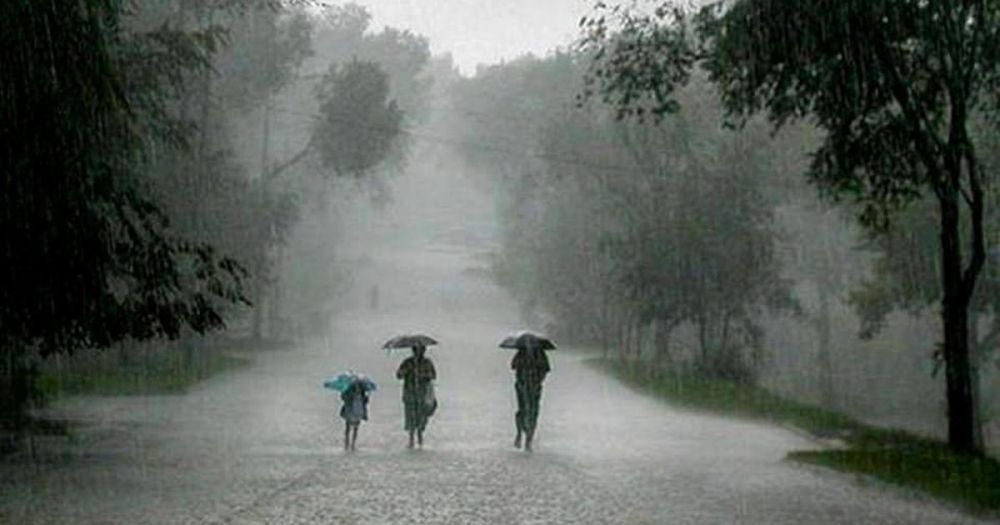
Rwanda is expected to experience an unusually wet September–December 2026 rainfall season, with the Rwanda Meteorology Agency (Meteo Rwanda) forecasting rainfall levels above the long-term average across the country.
According to the seasonal rainfall outlook, the September–October–November–December period, commonly associated with the Umuhindo rainy season, is expected to receive between 300 and 1,000 millimetres of rainfall.
The forecast represents an increase compared with the rainfall normally recorded during the same period. Meteo Rwanda estimates that the 30-year average rainfall for the season generally ranges between 279 and 962 millimetres, meaning that rainfall during the 2026 season could exceed the historical average in several parts of the country.
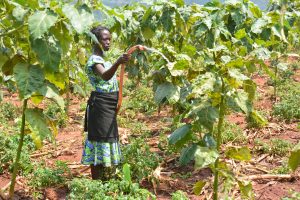
The forecast is particularly significant for Rwanda, where rainfall plays a critical role in agriculture, water availability, livestock production and the management of natural resources. Adequate rainfall could provide opportunities for farmers to improve crop production and replenish water sources, but excessive rainfall may also increase the risk of flooding, landslides, soil erosion and damage to infrastructure, particularly in areas vulnerable to heavy rains.
The expected above-normal rainfall therefore calls for increased preparedness among communities, farmers, local authorities and institutions responsible for disaster risk management.
Farmers are expected to benefit from timely weather information to guide decisions on land preparation, planting, crop management and harvesting. At the same time, communities living in flood- and landslide-prone areas need to remain alert and follow official weather and disaster-risk warnings.
The September–December period is one of the important rainfall seasons for Rwanda, making accurate seasonal forecasts crucial for planning across different sectors of the economy.
With rainfall projected to reach as high as 1,000 millimetres in some areas, the 2026 season could bring both opportunities and challenges. While sufficient rainfall could support agricultural productivity and water resources, unusually heavy rains could create significant hazards if not accompanied by adequate preparedness.
About The Author


SUBSCRIBE TO OUR NEWSLETTER