Proven Seeds, Training, and Markets Transform Ruhango Tomato Farming
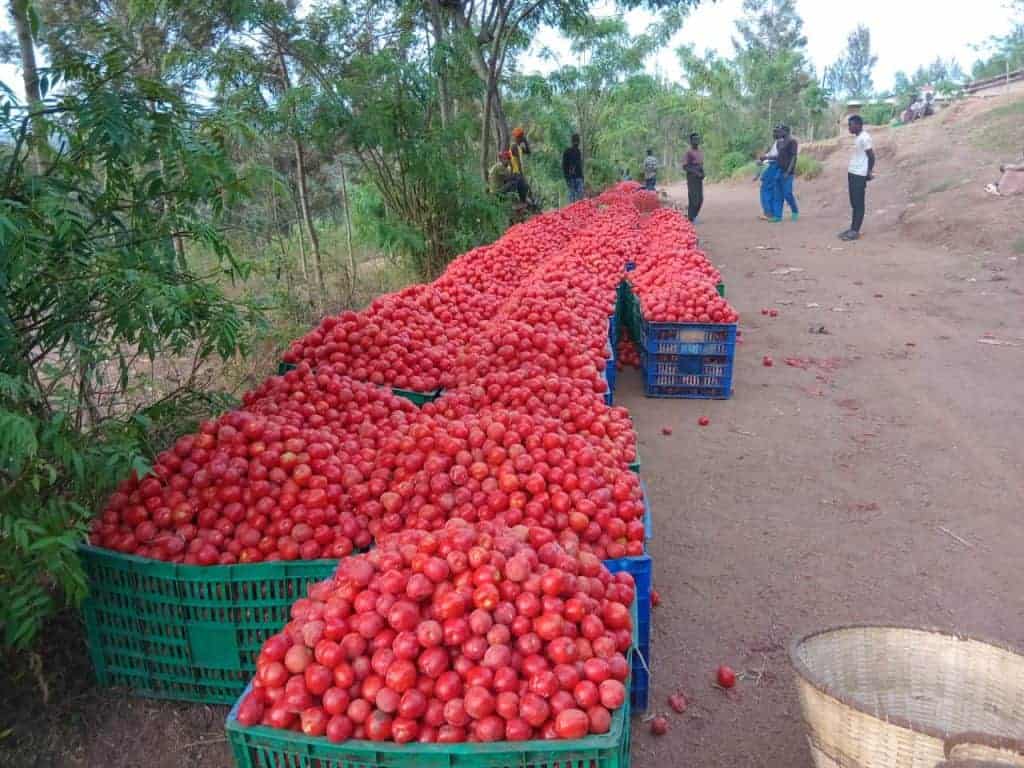
Tomato Farming in Ruhango District benefits from support from the Commercialization and De-risking for Agricultural Transformation (CDAT) project.
Additionally, it helps farmers access improved seeds, strengthen farming skills, and connect produce to markets, raising yields and household incomes.
For farmers in Ruhango district’s Kanyegenyege marshland, improved seeds, technical training and stronger market connections are changing the returns from Tomato Farming in Ruhango District and rice farming. Some farmers report higher yields, increased earnings and better household livelihoods.
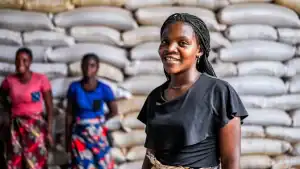
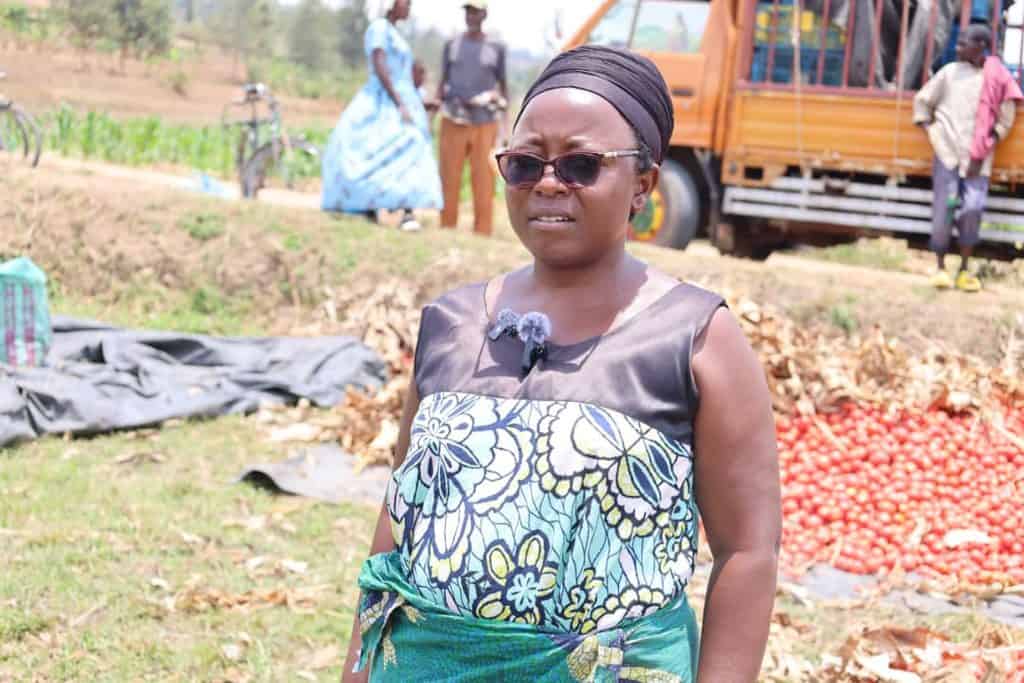
MUSABESE Felecite, a member of ABIYUNZE-KINAZI Cooperative, is among the farmers experiencing the change. She grows both rice and tomatoes and says farming used to generate limited returns because of low productivity and poor-quality planting materials.
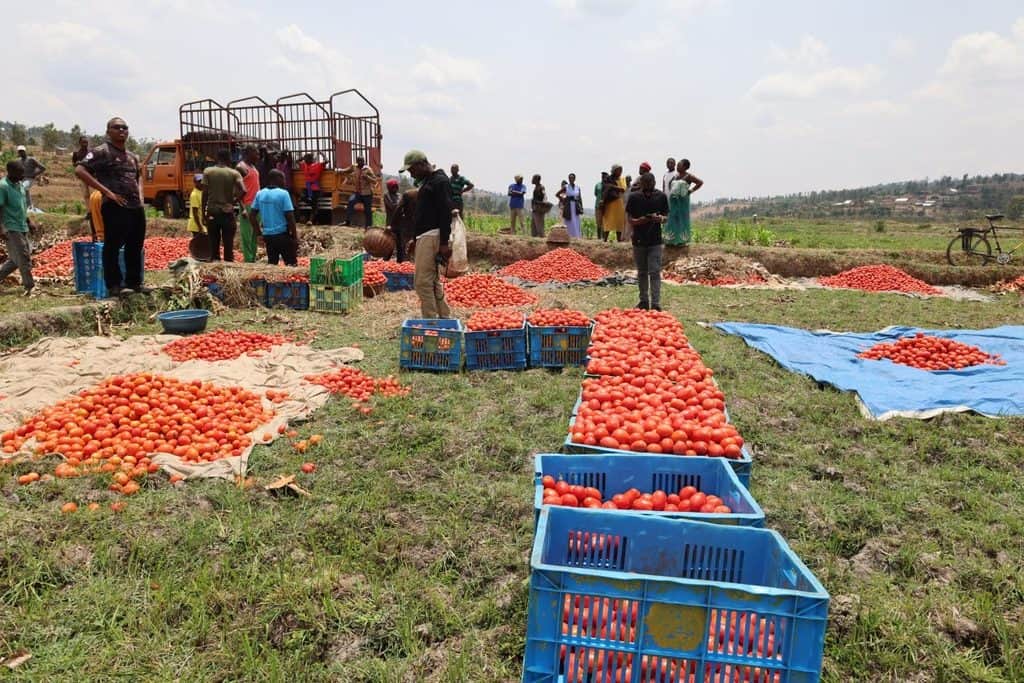
She says the training and improved seeds provided through the Commercialization and De-risking for Agricultural Transformation (CDAT) Project have enabled her to increase production and earn more from her crops.
“Before CDAT gave us training and improved seeds, I could not harvest more than 300 kilograms of rice. After receiving the training and improved seeds, I harvested 500 kilograms. With tomatoes, I earned only Rwf40,000 throughout the whole of last year, but today I have already earned Rwf100,000 from what I have harvested, while there are still tomatoes remaining in the field,” Musabese said.
The increase in income has enabled her to invest in livestock and support her children’s education, she said.
“Currently, I have been able to acquire livestock. I bought two pigs and I am raising them, and I have also been able to pay school fees for my children,” she said.
Musabese cultivates 7.5 ares and says the benefits of improved production are also reflected in her family’s diet.
“Our meals now include vegetables, and I also take some to the market and share them with my neighbors,” she said.
The impact of improved tomato production is also being noticed by traders who depend on farmers for their supply.
MUKANDAYISABYE Antoinette, who has been trading tomatoes from DUHARANIRE KWIGIRA-NYARUGENGE Cooperative, says the quality of tomatoes available to her has improved since farmers began accessing better planting materials through CDAT.
“This season, when I came to buy tomatoes, I found that the farmers’ produce was different from what they had in the previous season. They had good-quality tomatoes and told me that they were now working through cooperatives and had received improved seeds from the CDAT Project,” she said.
Mukandayisabye says poor-quality tomatoes had previously caused losses because some of the produce would deteriorate before it could be sold.
“There was a time when I bought tomatoes in bulk, but many of them ended up getting spoiled,” she said.
She says the improved quality has also strengthened the competitiveness of locally produced tomatoes, whose prices, according to her, are not significantly different from those of imported tomatoes.
At ABIYUNZE-KINAZI Cooperative, the changes are also reflected in tomato productivity.
BAVAKURE Boniface, President of ABIYUNZE-KINAZI Cooperative, which operates in Kanyegenyege marshland in Kinazi sector, Ruhango district, says poor-quality seeds were among the major constraints farmers faced before receiving support from CDAT.
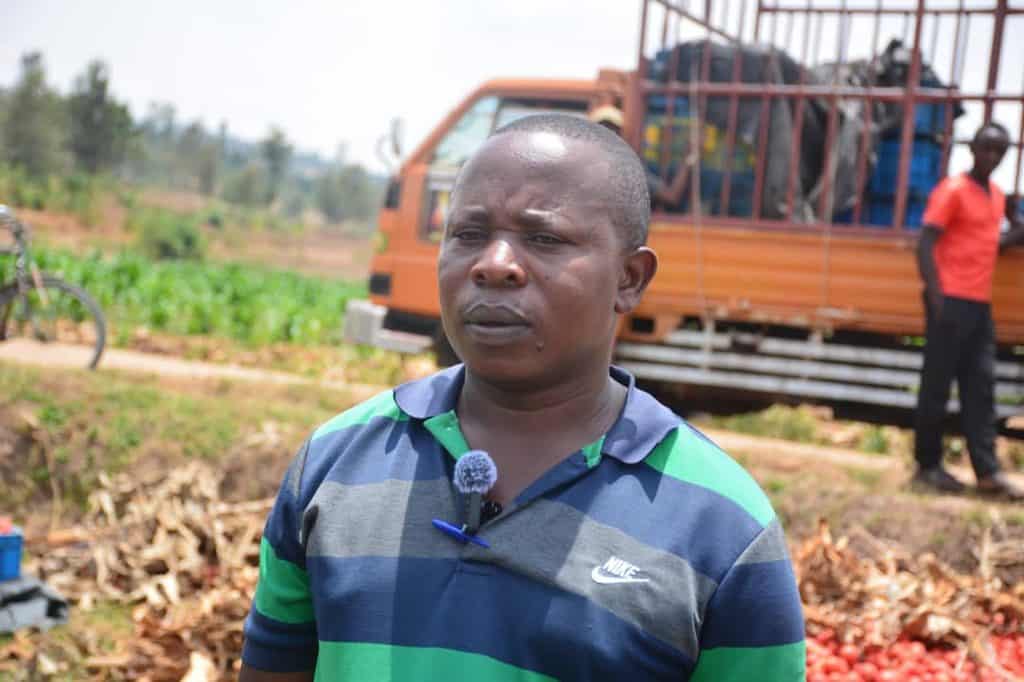
He says some farmers used to save seeds from tomatoes harvested in the previous season and plant them again in the following season. Although the practice reduced the immediate cost of purchasing new seeds, it contributed to low productivity.
“Before working with CDAT, we harvested around seven to eight tonnes per hectare. We were using poor-quality seeds, and sometimes farmers would save seeds from the tomatoes they had harvested and plant them again,” Boniface said.
He says the cooperative now expects to harvest between 13 and 14 tonnes per hectare, compared with the seven to eight tonnes recorded previously.
However, Boniface says increased production has only become more meaningful because farmers have also gained better access to buyers.
Tomatoes are highly perishable, meaning farmers can suffer losses when they harvest without having a ready market. Boniface says having a buyer connected to their production has helped reduce that uncertainty.
“When the tomatoes are ready for harvesting, the buyer comes directly to where we produce them and collects them,” he said.
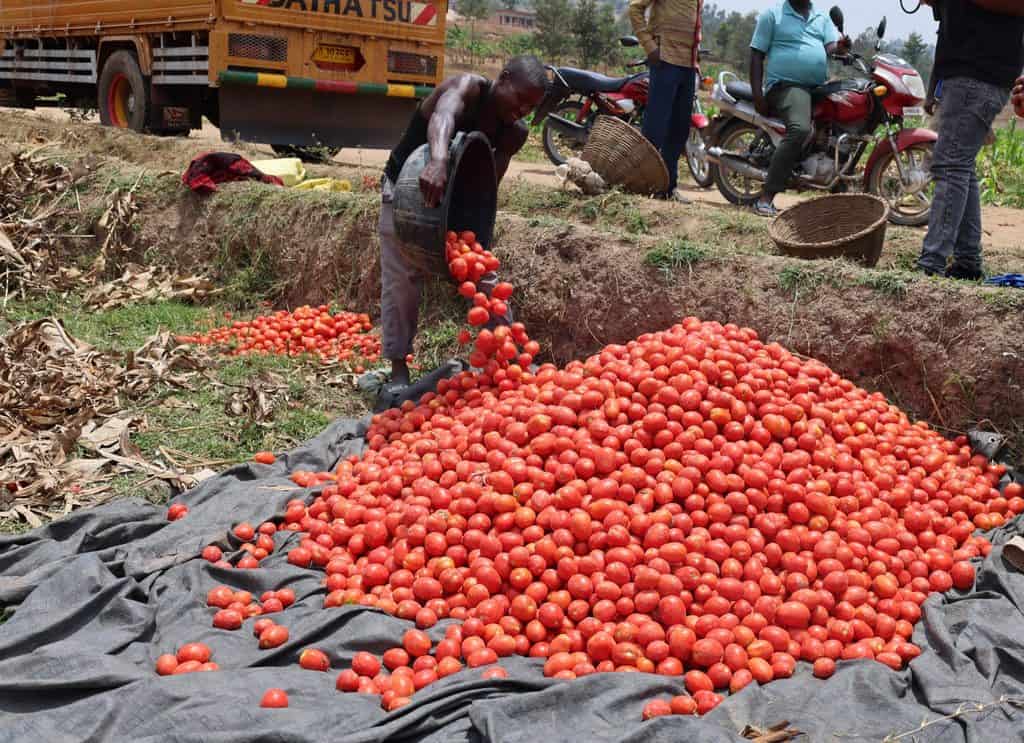
ABIYUNZE-KINAZI Cooperative has 610 members, including 320 women and 290 men, among them 80 young people. It operates in Kanyegenyege Marshland, which extends across parts of Ruhango and Nyanza districts.
The improvements recorded by the cooperative come amid broader gains in tomato productivity under CDAT’s horticulture interventions.
MUHOZA Chantal, Horticulture Specialist at RAB/CDAT, says tomato productivity increased from an estimated 14.9 tonnes per hectare in Season A of 2026 to 21.5 tonnes per hectare in Season B of 2026.
This represents an increase of 6.6 tonnes per hectare, equivalent to approximately 44.3 per cent between the two cropping seasons.
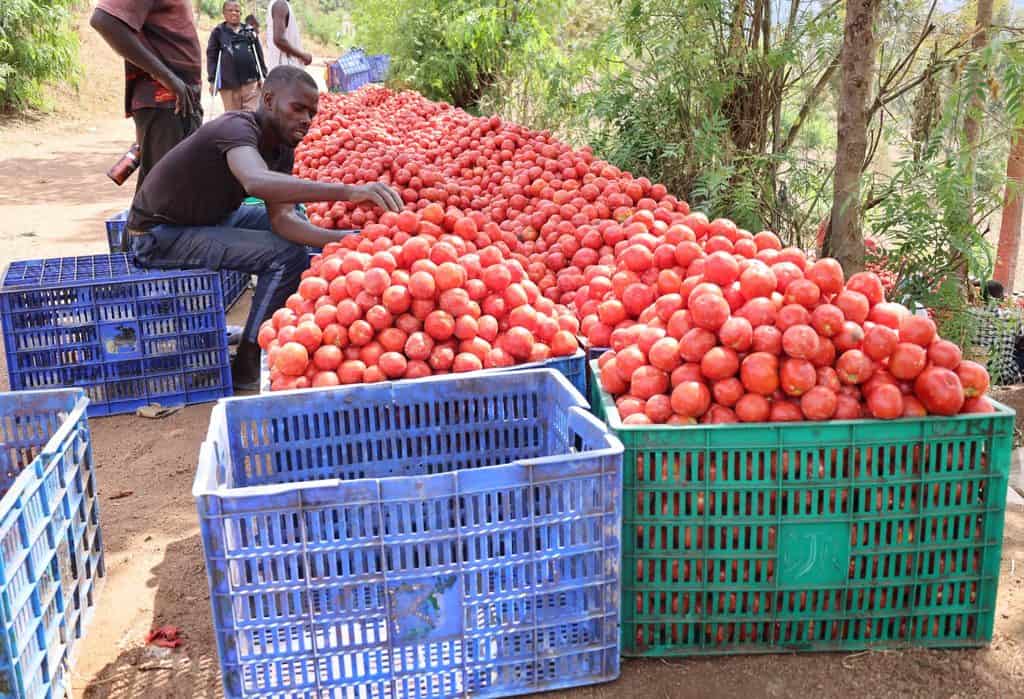
The figures represent the change in tomato productivity between Season A and Season B of 2026 at the level covered by the reported CDAT horticulture intervention. They should not be confused with the 13 to 14 tonnes per hectare expected by ABIYUNZE-KINAZI Cooperative, which is the cooperative’s own reported production estimate.
Muhoza says CDAT was established to promote commercial agriculture, particularly horticulture and fruit production, while addressing challenges affecting farmers, including climate change, soil erosion, limited technical knowledge and difficulties accessing markets.
She says farmers have received training designed to strengthen their ability to respond to these challenges, improve farming practices and raise productivity.
The project has also supported the establishment and implementation of horticultural enterprises, with the aim of helping farmers develop more commercially viable production systems.
“Another thing CDAT did was to establish support mechanisms to facilitate the implementation of horticultural and fruit production projects,” Muhoza said.
Tomato Farming in Ruhango District
CDAT promotes commercial and market-oriented agriculture in Rwanda. It focuses on horticulture and fruit production. The program supports farmers with inputs, technical training, capacity building, and better farming practices. It strengthens links between farmers and reliable buyers and markets, including export markets. CDAT also addresses climate change, soil erosion, limited technical knowledge, and inadequate market access. Tomato Farming in Ruhango District is part of the broader effort. Together these actions help farmers increase productivity and incomes.
About The Author


SUBSCRIBE TO OUR NEWSLETTER