Rwanda’s teenage pregnancy challenge goes beyond prevention
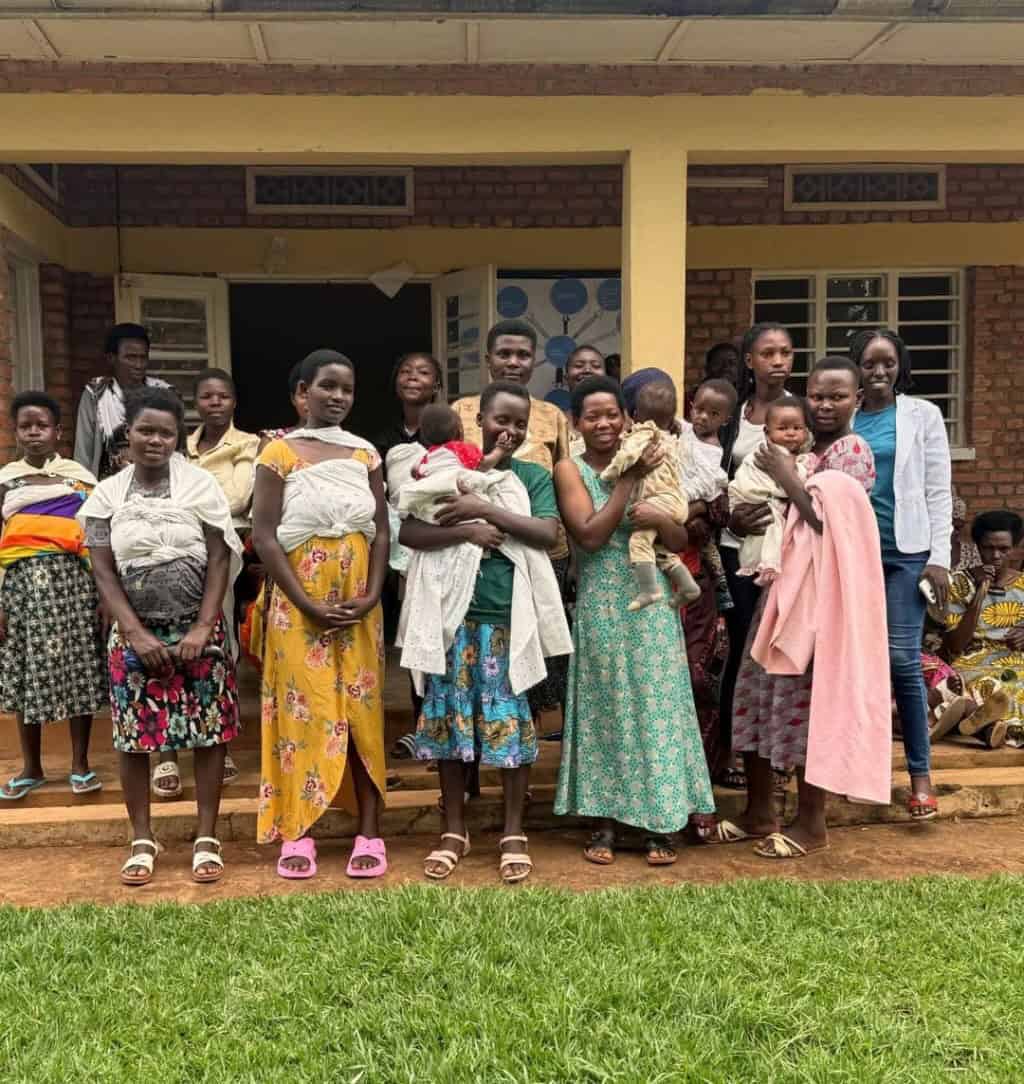
At 17, Angelique Nyirahagenima was raped and became pregnant, an experience that forced her to leave secondary school and put her education on hold.
The man who impregnated her disappeared, leaving her to face the consequences of the pregnancy. At home, her situation also became difficult as her parents initially treated her badly following what had happened.
Her child is now six years old, and she is pursuing technical and vocational training in tailoring, hoping to create her own employment or find a job.
The resident of Ngaru Cell in Nyarusange Sector, Muhanga District, says she previously lacked basic information about sexual and reproductive health, making her vulnerable to misleading claims about pregnancy.
She recalls being told that having sex while standing could not result in pregnancy, a misconception she did not know how to challenge.
“I was sexually abused and raped when I was 17. I gave birth, and my child is now six years old,” she said.
“Before, a boy could deceive me by saying that having sex while standing would not result in pregnancy, among other things,” she added.
She said information and support she has since received have improved her understanding of sexual and reproductive health and helped her recognise where survivors can seek assistance.
She now wants to share what she has learned with other girls so they can protect themselves and know where to turn if they experience sexual abuse.
Her experience illustrates how sexual violence, misinformation and inadequate support can combine to disrupt girls’ education and future opportunities.
Reflecting on the impact of her experience, Nyirahagenima said the pregnancy interrupted ambitions she had for her education and future.
“Unplanned and early pregnancies destroy girls’ dreams, as happened to me. I had dreams of completing secondary school and even going on to university,” she said.
Teenage pregnancy remains a concern
The challenge extends beyond individual experiences.
The 2025 Rwanda Demographic and Health Survey (RDHS), conducted by the National Institute of Statistics of Rwanda (NISR), found that 8 per cent of women aged 15–19 had ever been pregnant, compared with 5 per cent in the 2019–20 survey.
The survey also showed that the proportion of teenagers who had ever been pregnant increased with age, from less than 1 per cent among 15-year-olds to about 20 per cent among those aged 19.
In Muhanga District, the 2025 RDHS Southern Province profile recorded that 8.2 per cent of girls aged 15–19 had begun childbearing, down from 12 per cent in the 2019–20 survey.
However, the situation differs across districts. Ruhango recorded 15.1 per cent, followed by Huye at 8.9 per cent, while Nyaruguru recorded 1.3 per cent. The national estimate in the district profile was 8.1 per cent.
The figures show progress in Muhanga but also indicate that teenage childbearing remains a concern in parts of the country.
In Nyarusange, local officials selected the sector for a sexual and reproductive health awareness campaign held on October 8, 2026, after a district assessment ranked it first among Muhanga’s 12 sectors in the number of teenage girls who had given birth at home.
A separate study published in BMC Public Health in 2025 examined factors associated with adolescent pregnancy in Muhanga District.
The researchers surveyed 392 girls aged 15–19 and found that 42, or 10.7 per cent, had experienced pregnancy.
The study associated adolescent pregnancy with several factors, including educational status, financial support arrangements and peer pressure. Girls who were not attending school had higher odds of reporting pregnancy than those attending secondary school, although the findings describe associations rather than proving that school dropout causes pregnancy.
The findings suggest that addressing teenage pregnancy requires attention not only to individual behaviour but also to education, family circumstances and access to reliable information.
Misinformation, family challenges and access to services
Limited access to accurate information remains one of the concerns raised by health experts.
Dr Aline Uwimana, Maternal, Child and Community Health Division Manager at the Rwanda Biomedical Centre (RBC), said that cultural barriers often prevent parents from discussing sexual health with their children.
“Adolescents may consequently turn to peers and social media for information, where they can encounter misleading advice,” she said.
Uwimana also identified family conflict, school dropout and sexual abuse, including incest, as factors that can increase adolescents’ vulnerability to pregnancy.
Research published in February 2026 in Contraception and Reproductive Medicine similarly examined perceived drivers of teenage pregnancy and barriers to contraceptive use in Rwanda.
The study involved adolescents and healthcare providers and identified poverty, family conflict and alcohol consumption among the factors associated with teenage pregnancy in participants’ accounts.
It also documented barriers to contraceptive use, including misconceptions, limited knowledge of available methods and difficulties accessing contraceptives.
The findings suggest that providing information alone may not be sufficient if adolescents cannot access the services needed to put that information into practice.
The issue also extends to the legal and institutional environment surrounding adolescent healthcare.
The Ministry of Gender and Family Promotion said that 50 health facilities nationwide provide counselling, healthcare and legal support through Isange One Stop Centres.
The centres are among the services through which survivors of sexual violence can seek assistance.
However, access to information, reporting mechanisms and appropriate healthcare remains particularly important for children who face additional barriers because of disabilities.
Sexual abuse and the challenges facing children with disabilities
Samuel Kamangu, Muhanga District’s Disability Mainstreaming Officer, said some children with disabilities experience sexual abuse but struggle to report what happened or identify those responsible.
“There are children with disabilities, including those with visual, hearing and intellectual disabilities, who are sexually abused. Many are unable to speak out or identify the people who abused them,” he said.
His observations highlight the difficulties that children with communication and other support needs can face when seeking protection.
Children with hearing impairments, for example, may need appropriate communication assistance to explain what happened, while those with intellectual disabilities may require additional support to disclose abuse and access services.
Kamangu said families should pay closer attention to children’s welfare, communicate openly with them about adolescence and sexual health, and report suspected abuse.
The challenge is to ensure that protection mechanisms are accessible to all children, including those who may struggle to disclose abuse through conventional reporting channels.
Teenage mothers face interrupted education and economic difficulties
For girls who become pregnant, the consequences can continue long after childbirth.
A study published in February 2026 in the journal Reproductive Health, titled Exploring the lived socioeconomic experiences of teen mothers in Rwanda, examined the experiences of 23 women who had given birth to their first child between the ages of 14 and 19.
The researchers found that most participants had experienced disruptions to their education, with many leaving school after becoming pregnant.
The study also documented family rejection, discrimination, financial difficulties and limited employment opportunities.
Some participants said the men responsible for their pregnancies did not take responsibility or provide support, leaving them dependent on relatives, friends or other assistance to meet their children’s needs.
Although some had accessed vocational training and other support programmes, the researchers found that assistance available to teenage mothers was often limited and poorly coordinated.
The findings reflect the importance of supporting young mothers beyond childbirth, particularly by helping them continue their education, access healthcare and develop opportunities to earn a living.
Efforts to protect vulnerable girls
Efforts to address teenage pregnancy in Rwanda involve government institutions, health facilities, families and civil society organisations.
In Muhanga, the Rwanda Union of the Blind (RUB), working with the National Union of Disability Organizations in Rwanda (NUDOR) and other partners, has been conducting community activities under the Beyond Boundaries project, which targets vulnerable young people, including teenage mothers and survivors of gender-based violence.
Jeanne d’Arc Hyguette Nsabimana, a project officer for the initiative, said an initial identification exercise in Muhanga in 2026 had identified 151 beneficiaries, comprising 75 teenage mothers and 76 survivors of gender-based violence.
At the national level, health and child protection officials have also emphasised the importance of improving adolescent access to reproductive health information, counselling and support services.
Aline Umutoni, Director General in charge of Family Promotion and Child Protection at the Ministry of Gender and Family Promotion, said that teenage mothers face educational, social and economic difficulties, calling for stronger support and reintegration efforts.
Lambert Rangira, Country Programme Manager of AIDS Healthcare Foundation Rwanda, also highlighted youth corners, peer education, counselling and access to condoms as part of efforts to reduce teenage pregnancies.
However, research findings suggest that interventions need to address the wider circumstances that expose adolescents to pregnancy, including poverty, family conflict, sexual abuse, misinformation and barriers to healthcare.
About The Author


SUBSCRIBE TO OUR NEWSLETTER