Climate change is increasing heat-related deaths, new report warns
Climate change is causing increasingly severe health impacts worldwide, with heat-related deaths rising and drought and other climate risks intensifying, according to the 2026 Lancet Countdown on Health and Climate Change.
The report, released ahead of the COP31 climate summit, warns that the health consequences of climate change are accelerating faster than the global response, despite growing investments in clean energy and progress in protecting communities from climate-related risks.
Ten years after the Paris Agreement entered into force, the report finds that climate-related health threats continue to increase, highlighting the need for governments to make health protection a central part of climate policies.
Produced by an international collaboration led by University College London, in strategic collaboration with the World Health Organization (WHO), the report tracks 54 indicators linking climate change to human health.
One of its key findings is that annual average heat-related deaths increased by nearly 36% in the years following the Paris Agreement compared with the previous decade.
In 2023 alone, heat was linked to a record 710,000 deaths globally, with more than 70% of the burden attributable to human-caused climate change, according to the report.
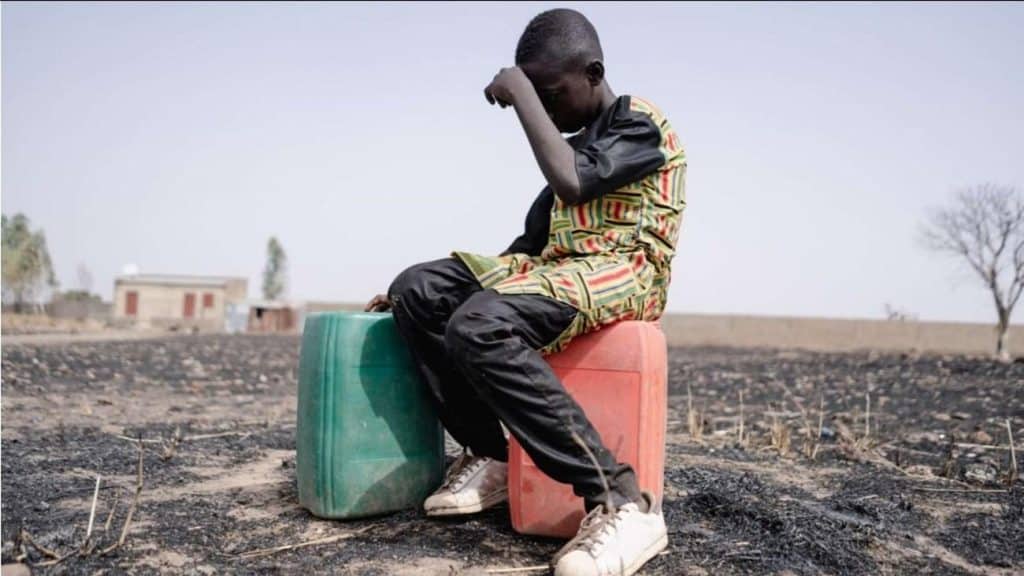
It also identifies worsening drought conditions, increasing exposure to extreme water-related events and substantial economic losses associated with heat exposure as growing threats to public health and livelihoods.
Dr Diarmid Campbell-Lendrum, head of WHO’s Climate Change, Air Quality and Energy and Health Unit, said the evidence showed that climate change was already harming people in every region.
“Climate change is already harming health in every region of the world, and the evidence shows that many of these impacts are accelerating,” he said.
However, the report highlights progress in climate action, particularly investments in clean energy and efforts to strengthen health systems against climate-related emergencies.
Global investment in clean energy reached a record US$2.1 trillion in 2025, while countries that have reduced fossil fuel-related air pollution are estimated to be preventing thousands of premature deaths each year.
Progress has also been made in developing national health adaptation plans and climate-informed early warning systems, which can help governments prepare for climate-related health risks and respond before they escalate.
Campbell-Lendrum said these measures demonstrated that climate action could deliver immediate health benefits alongside longer-term environmental gains.
“At the same time, this report demonstrates that climate action is a health intervention. Cleaner energy, stronger health systems and early warning systems are saving lives today,” he said.
He called on countries preparing for COP31 to place health at the centre of climate policies to protect communities, strengthen resilience and improve people’s well-being.
The report’s authors are calling for climate change to be formally recognised and addressed as a global health emergency. They also want health considerations incorporated into decisions on emissions reduction, climate adaptation and financing.
Among the priorities are faster reductions in greenhouse gas emissions, increased funding for climate adaptation and greater investment in health systems capable of withstanding climate-related shocks.
WHO is supporting efforts to address these risks through health surveillance, early warning systems, adaptation planning, technical guidance and emergency response operations.
The organisation also serves as the secretariat of the Alliance for Transformative Action on Climate and Health (ATACH), a network of health ministries and partners working to develop climate-resilient, low-carbon and sustainable health systems.
WHO said its emergency response arrangements were also being used to address the expected health consequences of the ongoing El Niño event. Since September, the organisation has been coordinating a graded emergency response through a Global Incident Management Team to mobilise expertise, health information and support for countries most at risk.
The report further notes that climate-related events may fall within the scope of international public health emergency arrangements when they meet the relevant criteria.
Under the International Health Regulations (2005), a public health emergency of international concern is an extraordinary event that poses a public health risk to other countries through the international spread of disease and may require a coordinated international response. Such events may include those driven by climate change if they meet the established criteria.
The 2026 Lancet Countdown report brings together the work of 146 researchers from more than 100 institutions across more than 30 countries.
As governments prepare for COP31, its findings underline the need to move beyond recognising climate change as an environmental challenge and address its growing consequences for human health.
The report argues that stronger climate policies, cleaner energy and more resilient health systems can help reduce these risks while delivering immediate benefits to communities.
About The Author


SUBSCRIBE TO OUR NEWSLETTER