Eastern Rwanda’s livestock farmers report low satisfaction with services, survey shows
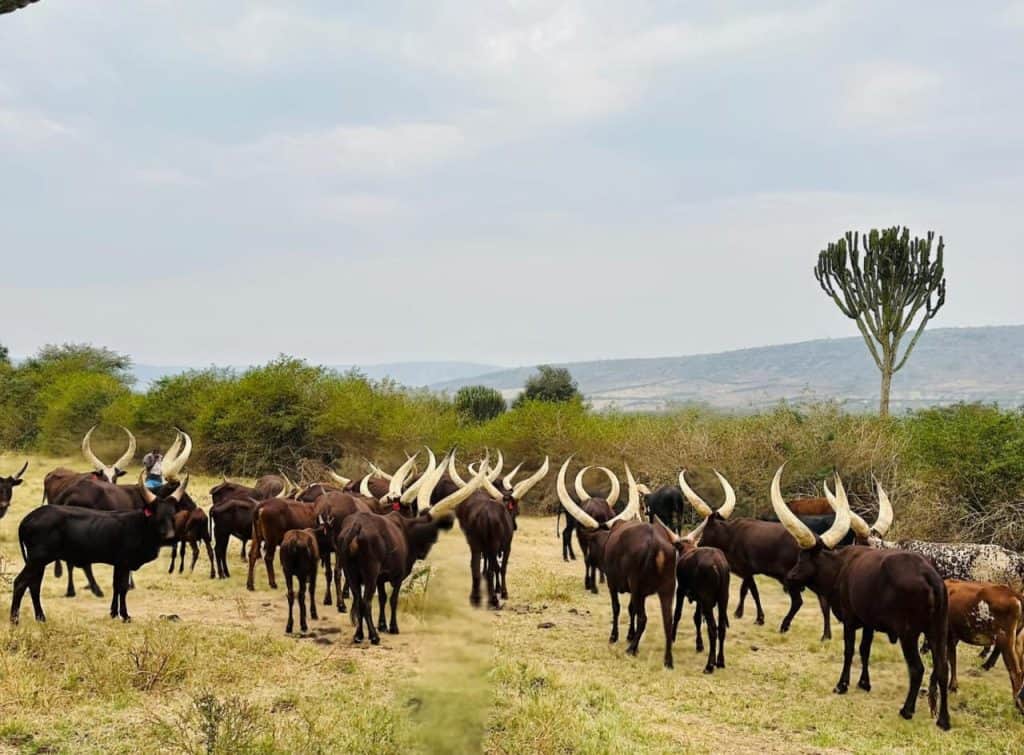
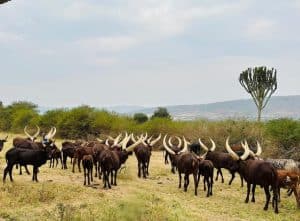
Cattle graze in Buhabwa, Kayonza District.
Livestock farmers in Rwanda’s Eastern Province have expressed lower satisfaction with livestock-related services than their counterparts in other parts of the country, according to the recent findings attributed to the 2026 Citizen Report Card (CRC).
The findings, presented by the Rwanda Governance Board (RGB), show that satisfaction with livestock services in the Eastern Province stands at 73.1%, leaving 26.9% of respondents dissatisfied.
The province recorded the lowest satisfaction rate among Rwanda’s provinces, compared with 81% in the Northern Province, 77.6% in the Southern Province, 74.3% in the City of Kigali and 74.2% in the Western Province.
The report puts the national satisfaction rate at 71.4%, down from 76.5% in 2025.
Within the Eastern Province, satisfaction levels also vary considerably across its seven districts.
Ngoma recorded the highest rate at 76.7%, followed by Gatsibo at 76.1% and Kirehe at 75.7%.
Rwamagana recorded 73.9%, while Nyagatare had 71.6%. Bugesera followed with 70.6%, while Kayonza recorded the lowest satisfaction rate in the province at 67%.
The findings raise questions about the quality and accessibility of livestock-related services in a region where animal husbandry plays an important role in household livelihoods and agricultural production.
According to the National Institute of Statistics of Rwanda (NISR), the Eastern Province has approximately 547,885 cattle, 776,969 goats and 1,567,341 chickens. Nationally, Rwanda has approximately 1.6 million cattle, 1.8 million goats and 3.8 million chickens.
The Eastern Province is also home to major investments in livestock processing. In Nyagatare District, Inyange Industries operates a dairy processing facility with the capacity to receive up to 650,000 litres of milk daily.
The factory can process the milk into 41 tonnes of milk powder and 25.6 tonnes of cheese per day. Its construction cost approximately $54 million.
Despite the region’s significant livestock population and investment in processing infrastructure, the survey findings point to continued concerns among farmers about the services they receive.
Climate variability is also identified in the original report as one of the factors affecting livestock farmers in the Eastern Province, although the specific challenges and their contribution to dissatisfaction were not detailed.
The findings highlight the importance of strengthening livestock support services, particularly in areas where farming communities depend heavily on animal production for income and food security.
About The Author


SUBSCRIBE TO OUR NEWSLETTER